Audio
Listen to Science Friday live on Fridays, or listen to our daily podcast
BROADCASTS
Listen to the full 2-hour Science Friday broadcast, from last week or any week you like.

Why cannabis’s health effects are so hard to study
Cannabis seems to be everywhere, in many forms. We’re learning more about its effect on teenage brains and its usefulness as a therapeutic.

Did scientists just find a dark matter particle? Maybe
The LUX-ZEPLIN detector picked up a strange signal that scientists haven’t cracked yet. Could it be a dark matter interaction?

Why physics and philosophy need each other
Physicist Carlo Rovelli urges conversations between physics and philosophy in a search for answers about the universe.

The mushroom that causes hallucinations of ‘tiny people’
Scientists are trying to decode the hallucinogenic properties of a mushroom that consistently makes people see miniature humans.

Recall rodeo: A food safety update + Why cars are catching fire
Food recalls abounded this summer, but was it unusual? Plus, why some modern cars burst into flames, even when turned off.

For Jennifer Chayes, math is a ‘native tongue’
Jennifer Chayes’ game-changing ideas in math and computer science helped pave the way for today’s innovations in machine learning and AI.

What an mRNA melanoma vaccine may mean for cancer treatment
Moderna and Merck say an mRNA vaccine reduced melanoma recurrence in a clinical trial. Could this usher in a new era of cancer treatment?
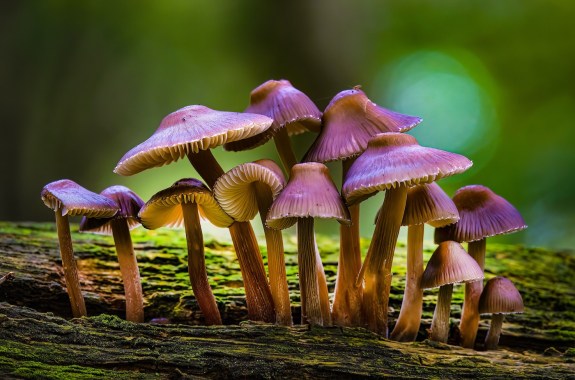
Why it’s so hard to tell the age of a fungus
One of the world’s largest organisms is an Oregon fungus thought to be over 8,000 years old. But what does age mean to a fungus, anyway?

The power of the stories we tell about the ocean
The ocean is in trouble. But the sea has a hold on us, and the stories we tell about it are helping turn the tide.
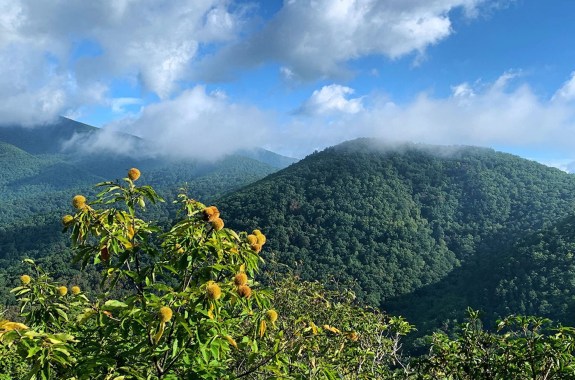
Using genetics to restore the American chestnut
In a conversation from February, how genetic research could speed up the restoration of the American chestnut tree.