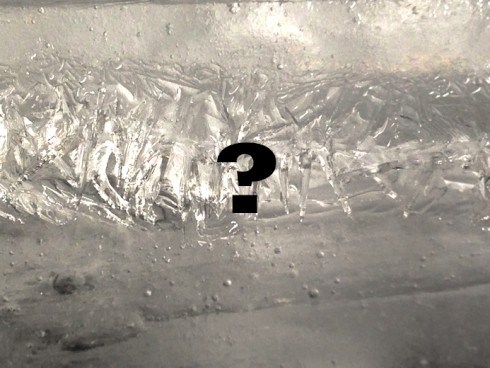
Use Clues to Solve an Ice Mystery
Use the physical characteristics of ice to determine where and how several mystery samples could have been frozen.
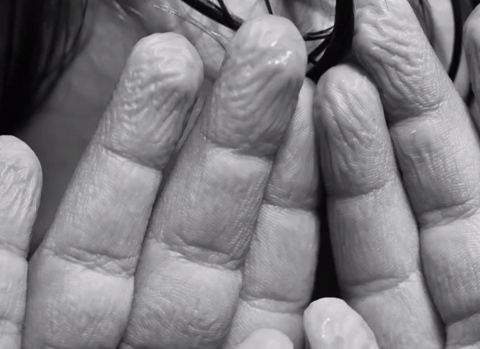
Test the Finger Wrinkle Hypothesis
Perform an experiment to determine whether smooth or wrinkled fingers are better at holding wet objects. The experiment requires only a water bottle, paperclip, and plastic ruler.
Downloads: Video, student data sheet, illustrated instructions

See The World Through Color-Filtering Lenses
Explore color by creating color-filtering glasses using paper and tinted cellophane.
Microorganisms on the Move
In this activity, students will learn how to prepare deep well slides for observing two types of microorganisms called Paramecium (a group of protozoa, or single-celled organisms, which move with cilia, so they are called “ciliates”) and Euglena (microorganisms which move with flagella, so they are known as “flagellates”).
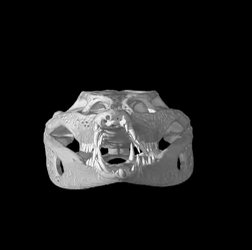
Cool Craniums
In this activity, students will observe three “mystery” mammal skulls and compare and contrast the features of each skull. Students will learn the anatomical terms for skull features such as orbits, nasal passages, and foramen magnum. Students will learn how these features relate to physical characteristics or behaviors of each animal. Students will use their observations and recordings to attempt to identify each skull, and will discuss how these physical characteristics helped the animal survive in its environment.
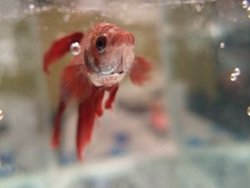
Keeping a Betta
In this activity, students will research general information about bettas and use that information to determine suitable habitat requirements and maintenance. Students will work collaboratively to perform weekly maintenance duties to keep their betta alive. Students also will observe physical characteristics of their betta and conduct investigations on the behavioral characteristics of their betta.
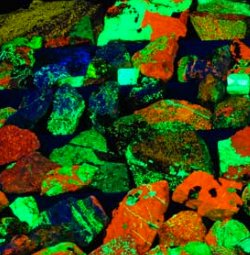
Mineral Madness
Geologists are greatly interested in minerals because they can reveal an enormous amount about the history of the geologic environment in which they are found. Geologists can classify and identify minerals by observing various properties such as streak, hardness, luster and, in some cases, fluorescence. In this activity, students will examine 10 mineral specimens and explore the different properties that minerals exhibit.
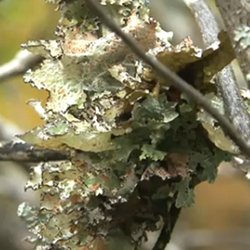
Termite Symbiosis
In this activity, students will sort and classify interactions between pairs of organisms under the appropriate symbiotic relationship of commensalism, parasitism, and mutualism. Then students will observe mutualism in action, as they perform a termite dissection.

Design Your Own Wind Powered Turbine
Learn the parts of a wind turbine, build your own out of recyclable materials, and test it to determine how to harnesses the most wind.
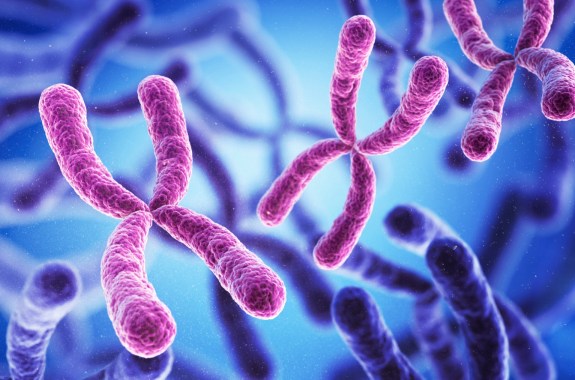
Discover DNA By Making Colorful Chromosomes
Discover how human physical traits are determined by specific segments of genes, then build a simplified model of a pair of chromosomes.