Segment
Listen
12:12
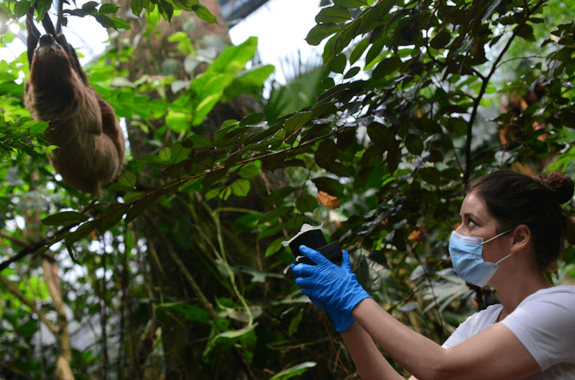
Identifying Animals Through Airborne DNA
Ecologists were able to successfully identify animals in a zoo simply by taking samples of DNA from the air.
12:12
Ecologists were able to successfully identify animals in a zoo simply by taking samples of DNA from the air.

8:49
Growing crops under solar panels is an efficient way to approach a new era of agriculture.

7:28
Harvest Public Media and Investigate Midwest find corporations have given colleges at least $170 million in the last decade. How does that influence their research?

5:44
A new study shows that small children use subtle saliva cues, like sharing utensils, to determine those closest to them.

12:40
Research out of Harvard links the degenerative and incurable condition to an infection with the common virus that causes “kissing disease.”

12:15
Making a vaccine for all COVID-19 variants requires a different approach. Plus Tonga’s volcano, and other stories.
A large study of military members suggests Epstein-Barr virus triggers MS. Plus, an innovative farming method combines solar power, plants, and water for a more sustainable farming system. And why pigeons are more than just rats with wings.
16:43
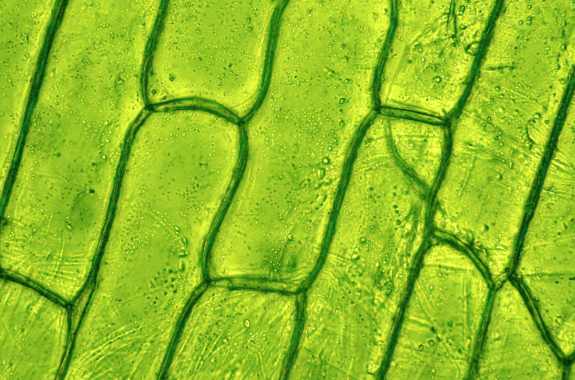
New research finds that some parts of plant genomes mutate more often—suggesting it may be time to rethink the randomness of evolution.

2:00
Some black holes sound like a wobbling top, while others rumble in low bass tones. Listen to them yourself, thanks to MIT professor Scott Hughes.

27:41
While debating the origins of the universe, these mid-century researchers accidentally explained the origins of every element of matter.