5:39
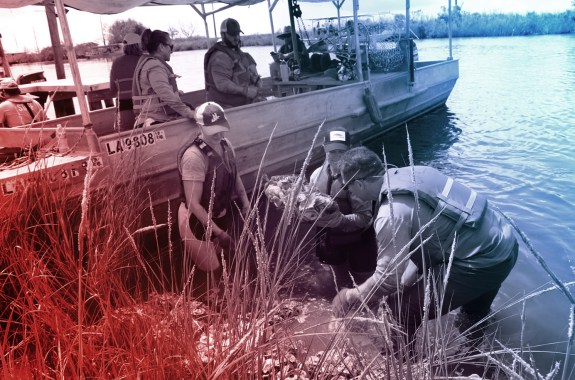
Using Oyster Shell Reefs To Counter Sea Level Rise In Louisiana
Tribes’ historic lands on the Gulf Coast are being lost to the sea. To slow it down, one tribe has turned to oyster shells.
6:59
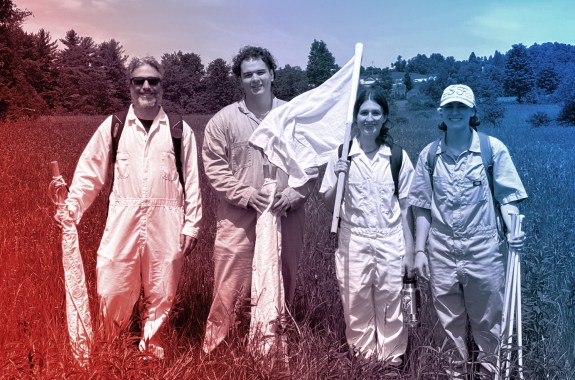
Managing Some Invasive Plants Might Reduce Blacklegged Ticks
Researchers are connecting two ecological problems in the Northeast in hopes of reducing the risk of tick-borne illnesses.
5:12
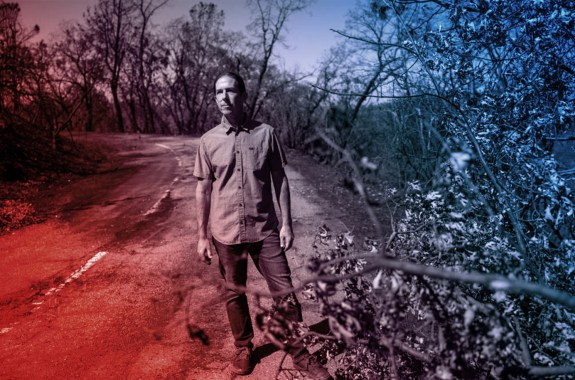
After California’s Park Fire, A Second Bloom of Milkweed
This is great news for the nearly-extinct monarch butterflies, which will pass through the area as they migrate back to Mexico.
4:16
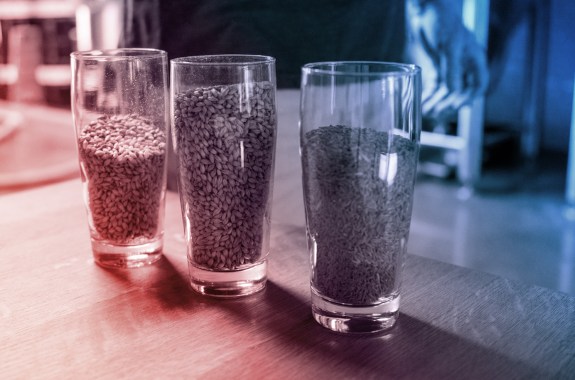
Scientists Push For A Lesser-Known Grain Called Kernza
Originally from Central Asia, Kernza doesn’t need to be replanted every year, unlike crops such as corn and soybeans.

6:04
Lake Michigan Swimmers Enjoy ‘Unsettling’ Warm Water
The lake’s surface temperature has been above average nearly every day this year so far. All five Great Lakes are heating up.
11:05
What Newly Approved Herbicides Could Mean For Federal Land
This summer, the Bureau of Land Management approved seven herbicides to fight invasive plants in the West.
6:52
Fishing For—And Saving—Sharks off the Jersey Shore
Shark fishing is alive and well, but the fishermen who do it are increasingly prioritizing conservation.
7:59
Protecting Sequoias From Wildfire Raises Tricky Questions
Sequoia National Park is largely designated as wilderness. That complicates efforts to protect its iconic trees from worsening wildfires.
7:23
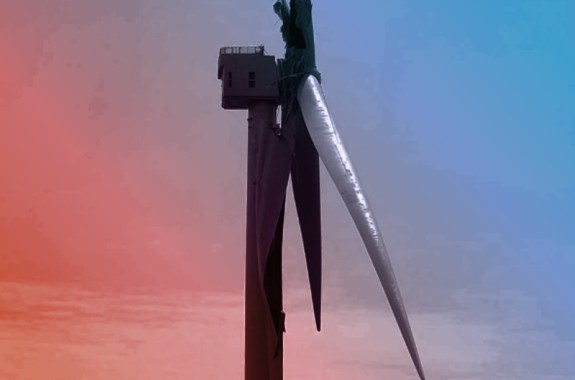
Damaged Wind Turbine Blade Sinks Off Massachusetts Coast
Fiberglass is washing up on Nantucket’s shores, and residents are concerned about the long-term environmental impact of this debris.

6:04
If You Rolled Colorado Out Into A Brownie, How Big Would It Be?
Science suggests it would be very, very large. And still, somehow, probably larger than you think.