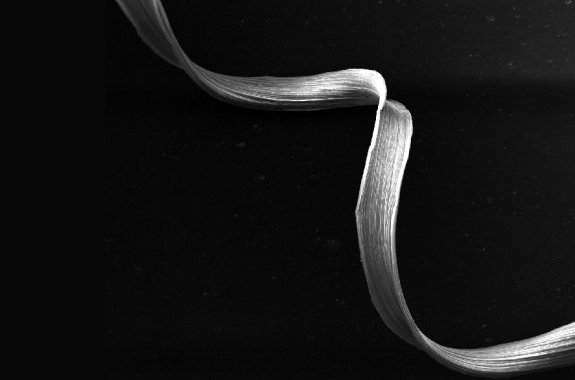
Unwinding the Cucumber Tendril Mystery
Researchers use time-lapse photography and a prosthetic plant to understand why cucumber tendrils twist.
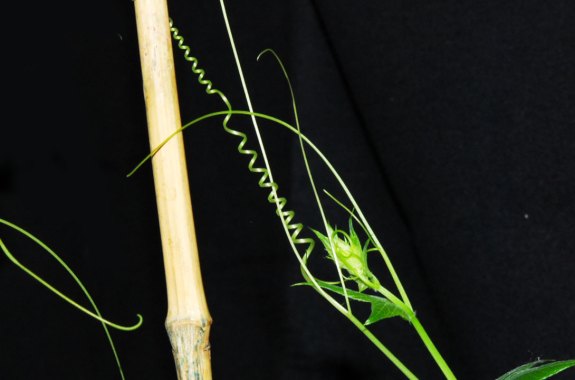
Unwinding the Cucumber Tendril Mystery
Plants may be stationary, but they’re rarely still, says biologist Roger Hangarter, creator of the website Plants in Motion.
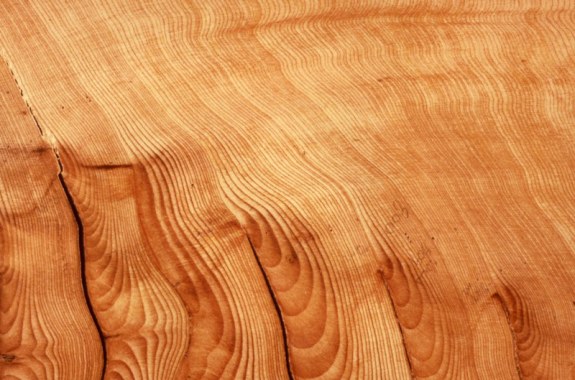
Tree Rings Tell Tales of Ancient Fires and Climate
Are the movements of wildfires as predictable as the weather? And does climate change cause bigger, hotter blazes?
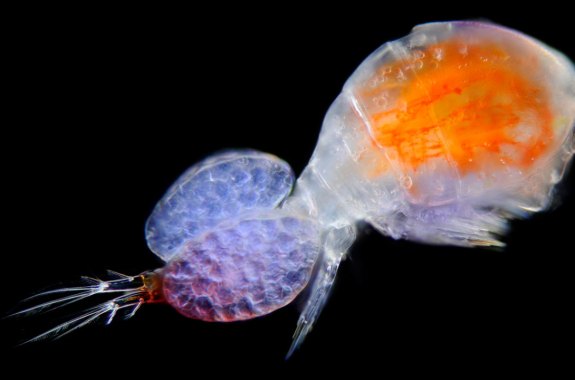
Microscopic Movie Stars
In the 1950s-1970s, Roman Vishniac made educational science films, featuring footage he shot through his microscope.

SciFri Book Club Talks Silent Spring
Silent Spring revisited: Ira Flatow and Flora Lichtman host the first SciFri Book Club meeting.
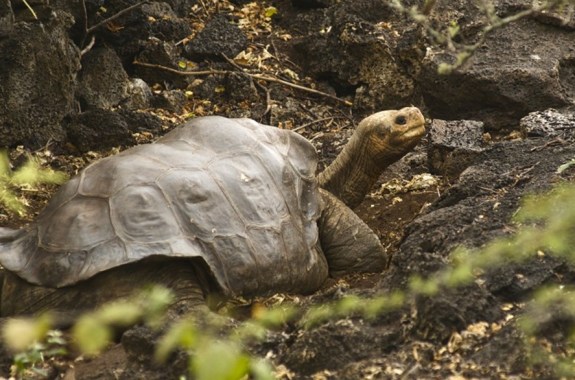
Bidding Farewell to Lonesome George
He never spoke, but affected many. We’ll look back on the life of the Galapagos icon Lonesome George.
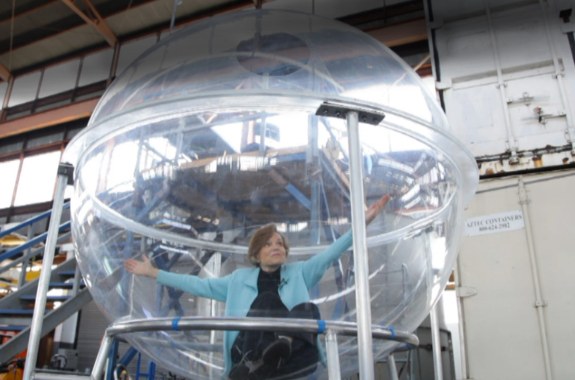
Desktop Diaries: Sylvia Earle
In the latest installment of Science Friday’s Desktop Diaries series, Her Deepness takes us on a tour on her Oakland office.
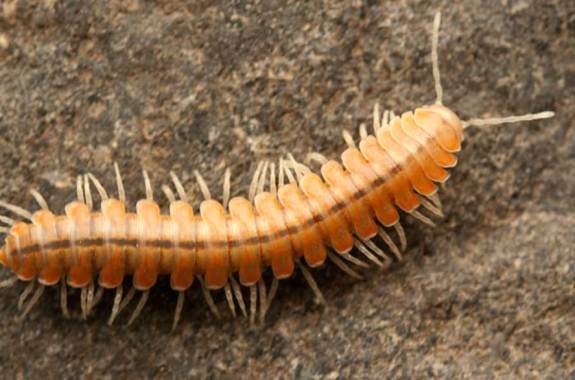
Lightning Bug of a Different Color
Forget the fireflies, some millipedes glow in the dark too.
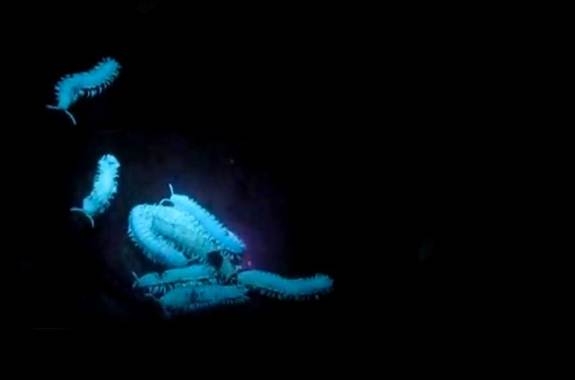
Finding Glow-in-the-Dark Millipedes
Forget the fireflies, check out these lightning bugs of a different color.
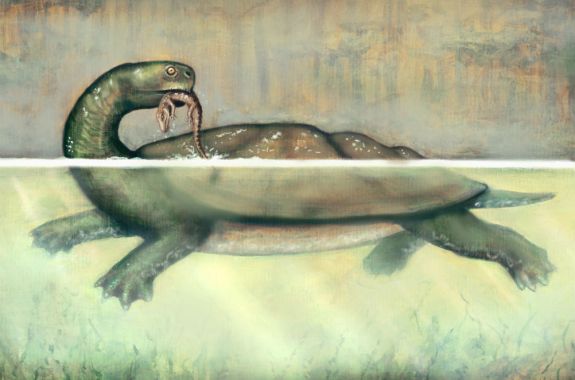
Monster Turtle Fossil Discovered In Colombian Mine
The giant reptile lived shortly after the demise of the dinos–and may have snacked on baby gators.