On Today's Podcast
Black bears are moving into the neighborhood. How do we coexist?
As black bears return to their historic ranges across the U.S., human encounters are increasing. How can bears and people live in harmony?
Listen NowSeptember 11, 2026
Scientists used fossil records and AI tools to reconstruct a soundscape of a Jurassic forest. Shorter courses of antibiotics may actually reduce antimicrobial resistance. Plus, a new study found a group of genes associated with fibromyalgia. And, as black bears return to their historic ranges across the U.S., human encounters are increasing. How can bears and people live in harmony?
17:37
How Do We Study Ancient Americans?
Anthropologists use genetic information and found artifacts to piece together how the first Americans populated the continent.
34:56
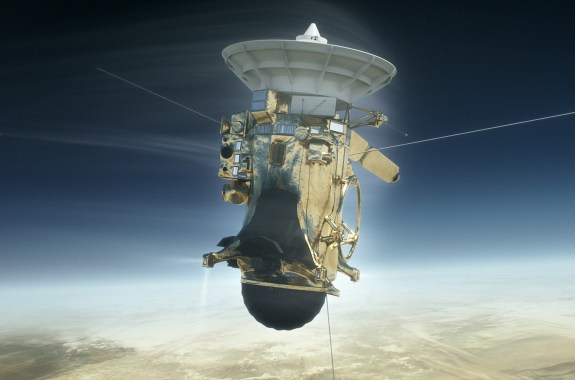
A Farewell To Cassini, Our Friend At Saturn
In 13 years, the orbiter showed us lakes on Titan, geysers on Enceladus, and a new understanding of all things Saturn.
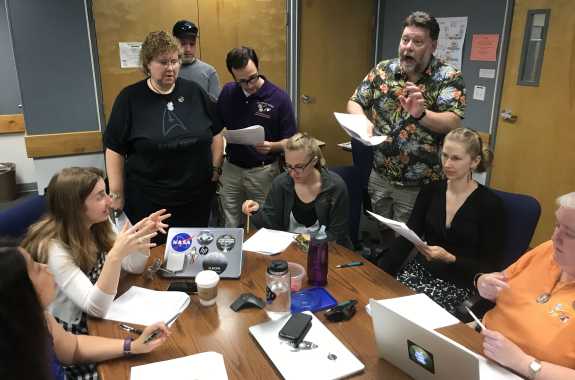
Meet The People Of Cassini
From a singing group to specially brewed beer, the Cassini family recounts what it was like working on the nearly 20-year mission.
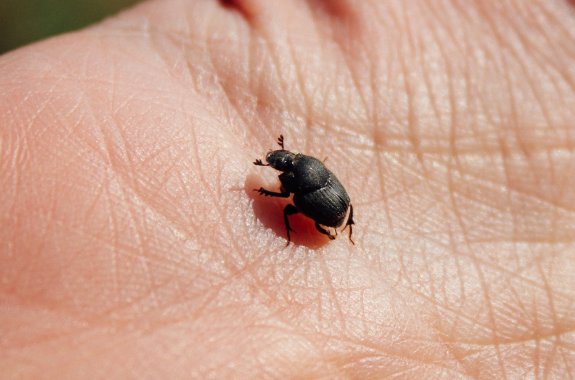
One Person’s Dung Is Another One’s Treasure
We took a field trip in Kansas to find some dung beetles.

Postcards From Cassini
After nearly 20 years in space, Cassini’s time is almost up. Here’s a look at what the spacecraft has shown us.

Cassini: A History In Interviews
For 20 years, Cassini’s scientists have shared their discoveries with Science Friday listeners. Here are some of the most memorable moments.

Shedding Light On The New Zealand Glow Worm
Biochemists Miriam Sharpe and Kurt Krause hope to discover the molecular basis for the New Zealand glow worm’s bioluminescence.
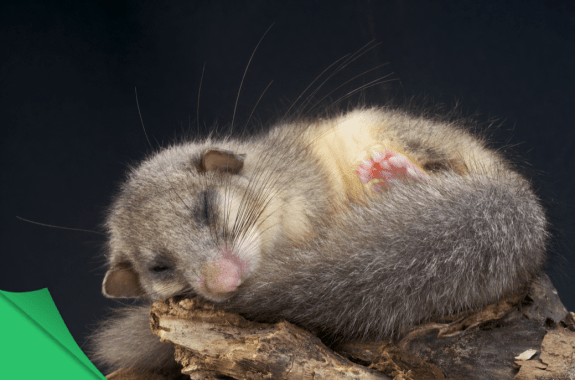
Do Edible Dormice Hold Secrets To The Fountain Of Youth?
Investigate the relationship between the protective ends of DNA, called telomeres, and lifespan in a long-lived rodent.
12:18
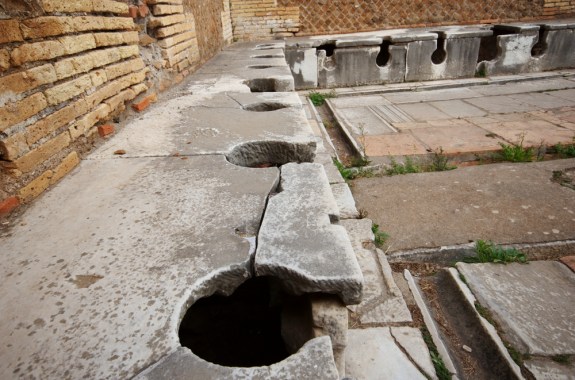
Bad Plumbing? There Goes The Empire
Researchers say lead pipes of ancient Rome tell the story of the city’s rise and fall.
17:19
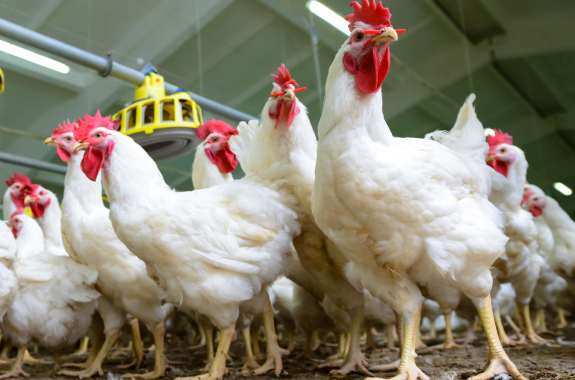
How Antibiotics Beefed Up The Chicken Industry
In her new book ‘Big Chicken,’ journalist Maryn McKenna uncovers how the overuse of antibiotics created the current chicken industry.
16:22
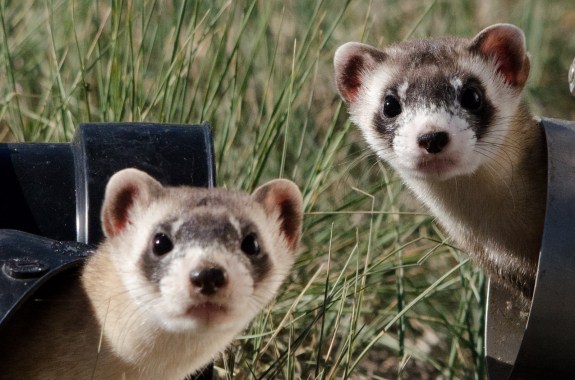
How The West Will Be Won (For The Black-Footed Ferret)
In the western prairies, the bandit-masked predator faces an invasive plague, limited food, and the work of staying alive.

12:00
When Your Tongue Needs A Tuneup
The tongue weakens as we age, which can result in more frequent choking during eating. But simple exercise seems to be an effective way to keep the tongue muscles toned.
17:05
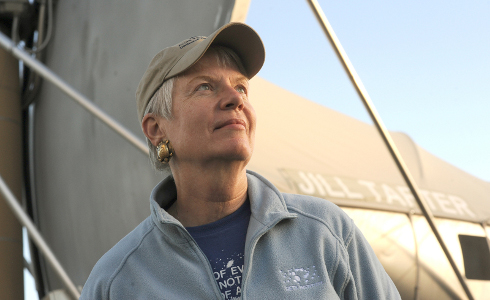
Jill Tarter Is Still Searching For A Sign Of Life
Astronomer and SETI co-founder Jill Tarter reflects on her career as an alien hunter.
16:19
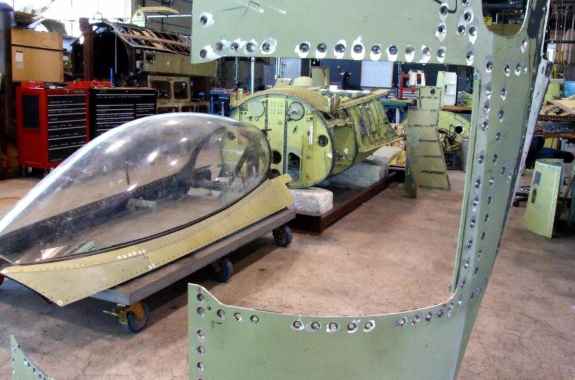
Peeking Under The Skin Of Aging Aircraft
A lab disassembles aging aircraft piece by piece to look for signs of cracks, corrosion, and metal fatigue.
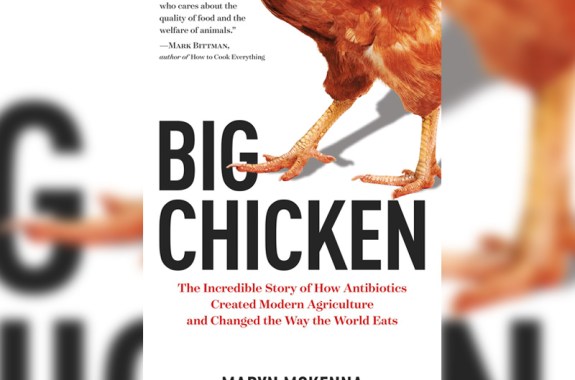
Which Came First: The Chicken Or Antibiotic Resistance?
In her new book, Maryn McKenna unspools the misuse of drugs, and chronicles how food animals may have created bacteria more resistant to human medicine.

In the Jungles Of Puerto Rico, Jill Tarter Looks To The Sky
SETI astronomer Jill Tarter has spent her life searching for E.T., “simply because we’re curious.” She says that’s a milestone for humanity.

Building A Flood-Proof Skyscraper Resilient To Climate Change
After the flooding damage from Superstorm Sandy, New York developers are designing buildings with big storms in mind.
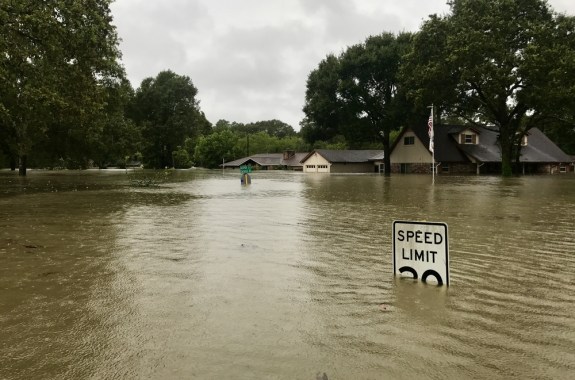
After Harvey, A Perfect Storm For Bacteria
Hurricane Harvey left a slew of highly visible damage. But after the waters recede, the storm may leave something far less visible in its wake: a public health concern.
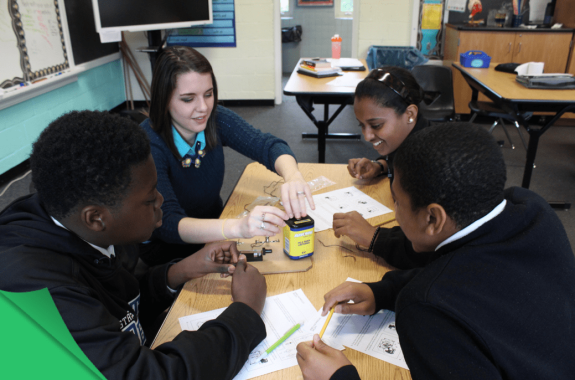
2017 Science Friday Educator Collaborative
The 2017 cohort are redesigning boots, fossilizing chicken bones, and more for the classroom.

6:51
The Rules Of Entanglement, Reining In Stem Cell Claims, And Why You Shouldn’t Lick Your Turtle
Researchers have shown mathematically that the weirdness of quantum entanglement may be an essential part of the universe’s physics.