On Today's Podcast
Why it's so hard to tell the age of a fungus
One of the world’s largest organisms is an Oregon fungus thought to be over 8,000 years old. But what does age mean to a fungus, anyway?
Listen NowAugust 28, 2026
Medical AI tools are transcribing patient visits, responding to doctors' questions, and analyzing scans. What are the benefits—and the risks? Plus, how GPS transformed from a niche military technology to one we rely on every day. And, the science behind the "nervous system reset," and how genetics work could help restore American chestnut trees more quickly.
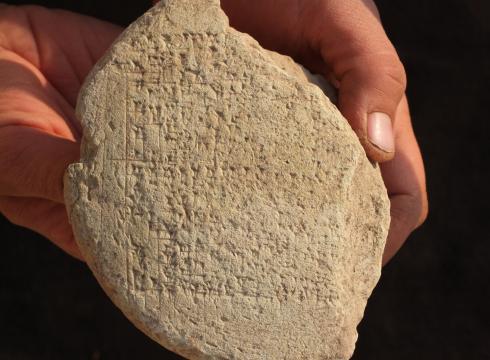
Archaeologists Revisit Iraq
Stony Brook University archaeologist Elizabeth Stone describes her recent trip to Iraq.
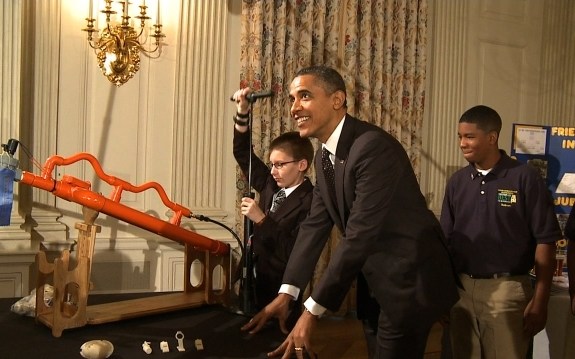
Sizing Up America’s High-Tech Talent
A panel of experts debate whether there is a shortage of scientists and engineers in America.
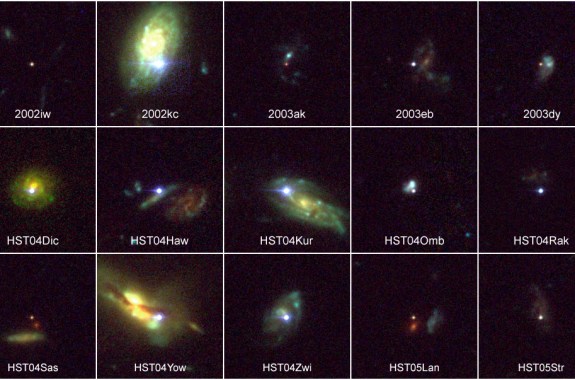
Adam Riess: One Cosmic Puzzle Solved, Many To Go
Nobel Prize-winning astrophysicist Adam Riess discusses the mysterious force known as dark energy.
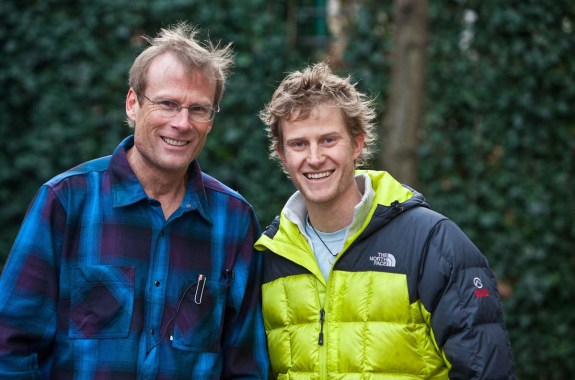
Mount Everest Still Holds Mysteries For Scientists
On an upcoming trip, scientists will re-measure the peak’s altitude–a stat still under dispute.
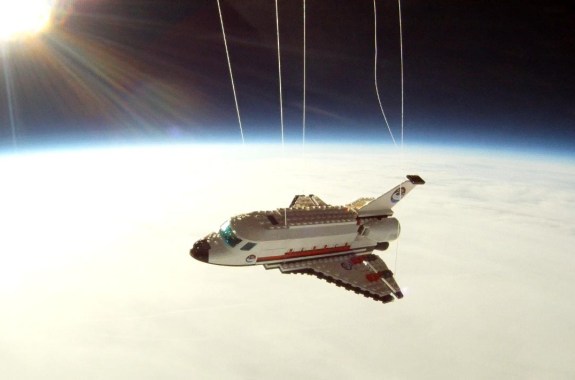
Teenager Launches LEGO Shuttle Into Space
Raul Oaida sent the payload to space by way of a large helium balloon.
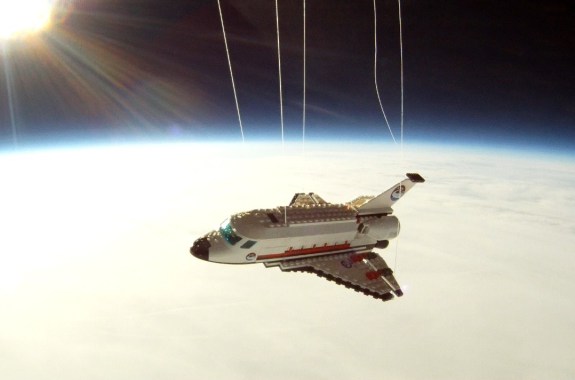
How A LEGO Shuttle Got To Space
Raul Oaida, 18-years-old, attached a LEGO shuttle, a video camera and a GPS tracker, to a huge helium balloon and sent them into space.
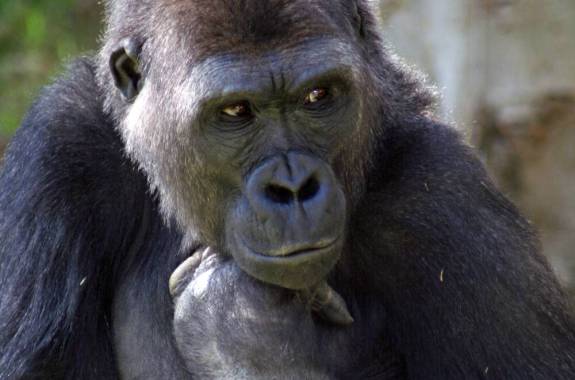
Gorilla Genome Sheds Light On Human Evolution
A study in Nature finds that gorillas are more like humans than previously thought.

How To Get More For Your Bite
A look at how genes, anatomy, history and culture affect the food choices we make.
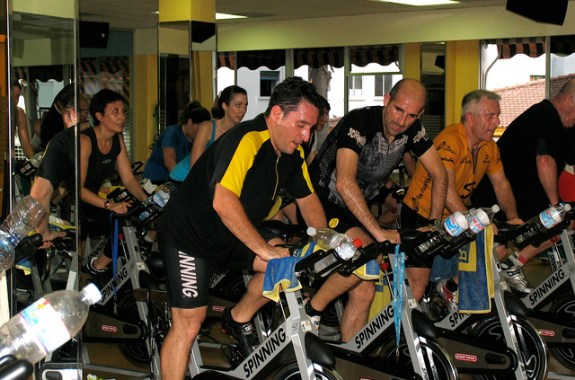
A Workout Can Change Your DNA
New research shows that strenuous exercise can change your genes to boost energy metabolism.

Dark Matter Just Got More Mysterious
A smashup between two galaxy clusters left an unexpected amount of dark matter in its wake.

Can An Early Spring Confuse Nature’s Clock?
Tom Turpin and Kristin Schleiter discuss how an early spring can affect flower buds and bees.
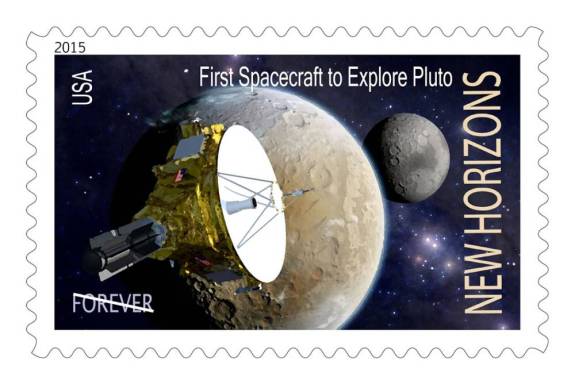
Planet Or Not, Pluto’s Getting A Visitor
An update on the New Horizons Mission to Pluto.
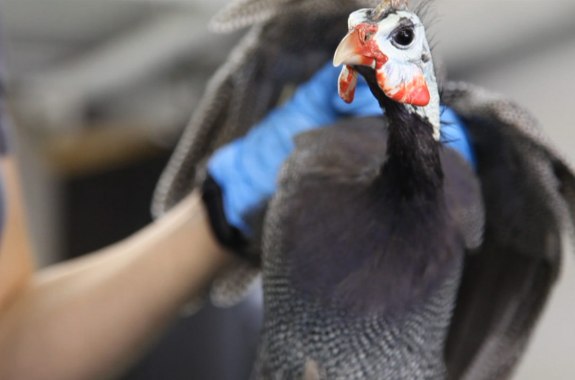
Studying Locomotion With Rat Treadmills, Wind Tunnels
For some scientists, a regular day at the office is training a guinea fowl to run on a treadmill.

Partnerships Help Drugmakers Get Closer To Patients
A look at new partnerships that take drug development out of the clinic and into the real world.
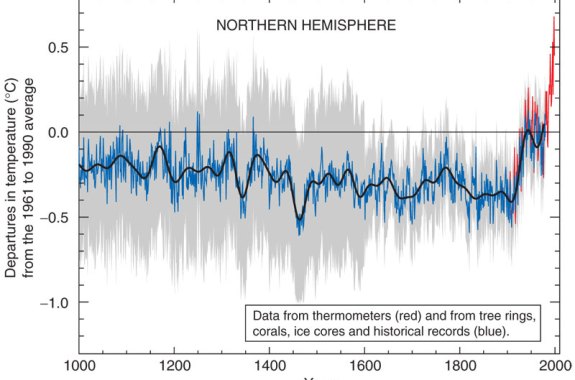
Michael Mann, From The Trenches Of The ‘Climate War’
Michael Mann discusses his new book and his journey from computer geek to climate warrior.
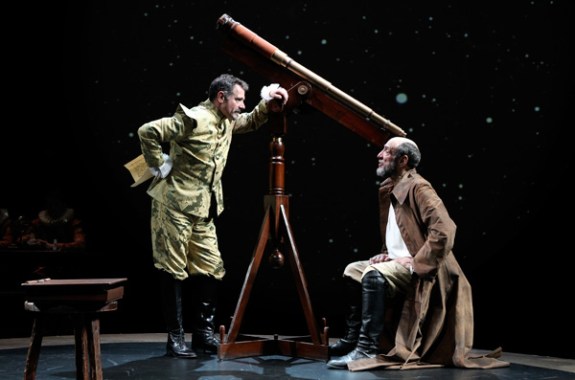
‘Galileo’ Lives In A New Production
F. Murray Abraham stars in an off-Broadway production of Bertolt Brecht’s ‘Galileo.’
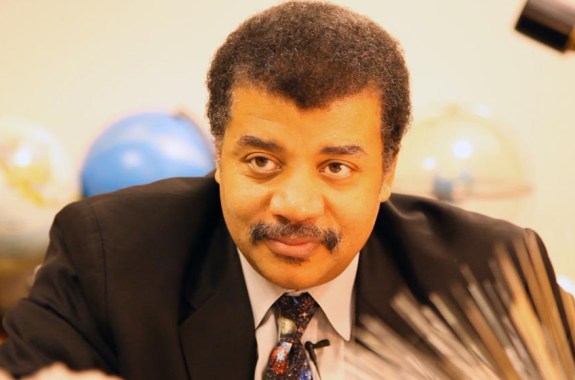
Neil deGrasse Tyson On Exploring Cosmic Frontiers
In Space Chronicles, Tyson argues that space exploration is vital to human progress.
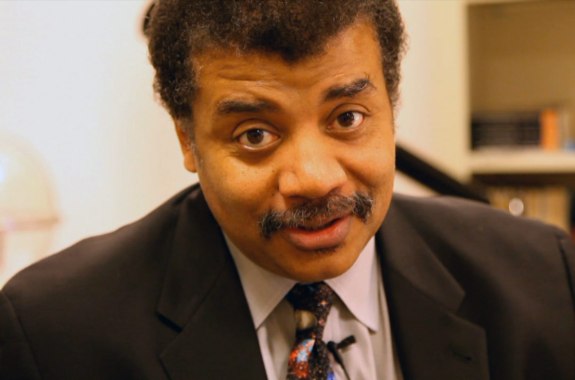
Desktop Diaries: Neil deGrasse Tyson
Astrophysicist Neil deGrasse Tyson takes us into his office at the Hayden Planetarium in New York City for a tour of his office, in the fourth of Science Friday’s Desktop Diaries series.
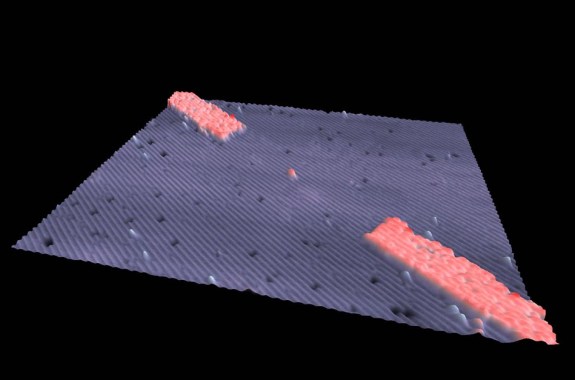
Reaching For The Limits of Tiny Transistors
Researchers have created a working transistor out of just one phosphorous atom.

Weaving Around Web Privacy Controls
Privacy researcher Lorrie Cranor discusses recent evasions of privacy controls in web browsers.