On Today's Podcast
Everyone is calling for safer AI. So what does that mean?
Concerns about AI safety are growing. Two researchers explain the unintended consequences of training AI models and what questions remain.
Listen NowSeptember 18, 2026
Hawaiʻi has generally been safe from the worst effects of hurricanes. But this year, two hurricanes battered the islands in a matter of weeks. A new wellness trend focuses on stimulating the lymphatic system. What does this system do, and is there science to back these claims? Plus, perimenopause science, our fascination with lost knowledge, and a snake's spider-like tail appendage.

17:02
Q&A: Updated COVID-19 Vaccines For Fall 2024
Immunologist Dr. Kizzmekia Corbett-Helaire answers audience questions about when to get the latest COVID shot, rapid test efficacy, and more.

11:49
Physicists Create Heaviest Antimatter Nucleus Yet
The heaviest antimatter nucleus to date was spotted in a particle accelerator. It could provide new insights into the nature of matter.
5:36
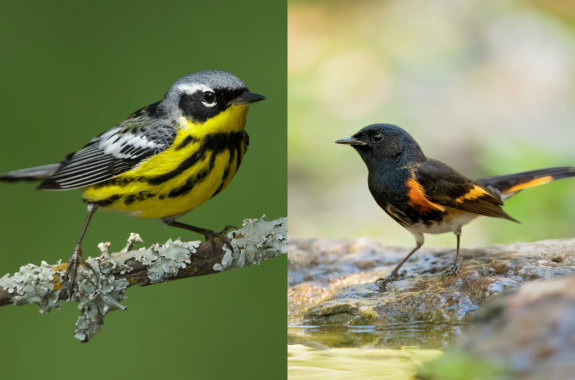
Different Bird Species May Team Up For Migration
Research indicates songbird species might intentionally travel together during migration, giving each other a possible boost in survival.

17:33
To Confront Climate Change, Imagine Getting It Right
In her new book, climate policy expert Dr. Ayana Elizabeth Johnson explores what ideal climate solutions look like to a lineup of experts.

Climate Solutions Don’t Need “Hope”
In her book, Dr. Ayana Elizabeth Johnson explains why “hope” doesn’t quite describe her simmering passion for solutions to climate change.

Sign Up For ‘Tiny Nature Triumphs’
This fall, we bring you a six-part newsletter about creative ways people are preserving and protecting nature.
12:00
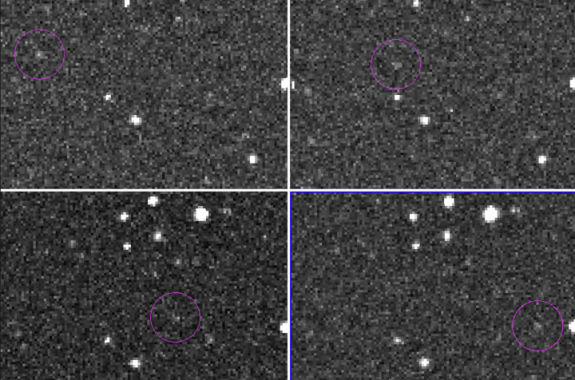
An Asteroid Impact, Spotted In Advance
ESA officials said it was only the ninth time an asteroid was spotted before reaching Earth’s atmosphere.

17:17
Using DNA To Boost Digital Data Storage And Processing
Researchers are harnessing DNA’s incredible capacity for information storage by turning genetic code into binary code.

6:52
Fishing For—And Saving—Sharks off the Jersey Shore
Shark fishing is alive and well, but the fishermen who do it are increasingly prioritizing conservation.
10:16
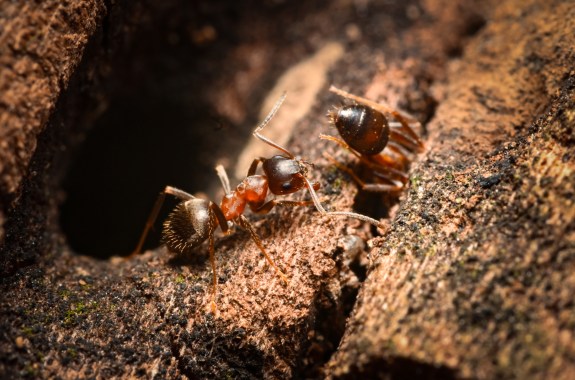
Scientists Identify The ‘ManhattAnt’ Spreading Across NYC
An unknown ant was spotted in Manhattan in 2011, and it quickly spread through New York City. We now know what it is.

12:14
Extreme Heat Is Making Learning—And Teaching—More Difficult
As the climate changes and summer temperatures linger, educators are increasingly worried about keeping kids safe from heat exhaustion.

17:33
To This Neuroscientist, Cows Are Like Puppies
In a new book called “Cowpuppy,” neuroscientist and farmer Gregory Berns investigates cow intelligence.
11:15
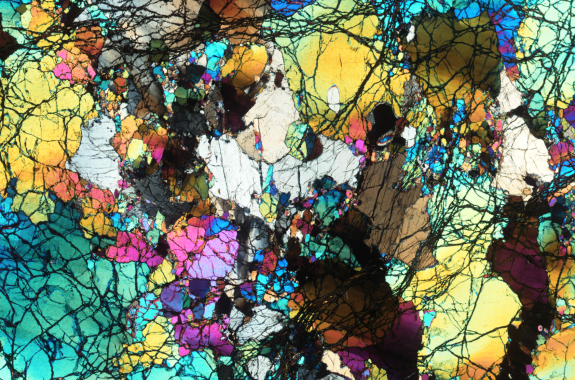
‘Time Capsule’ Rocks Provide Clues About Earth’s Mantle
Samples of 2.5 billion-year-old mantle rocks found at spreading ocean ridges could put bounds on models of how the planet formed.

5:45
Genetically Engineering Stronger Poplar Tree Wood
Researchers decreased the amount of lignin in poplar tree wood, making it stronger and slower to deteriorate.

An ‘Egghead Neuroscientist’ Tries His Hand At Cattle Farming
In the book “Cowpuppy,” a scientist forges a bond with his new cows as he tries to help a calf nurse for the first time.

Pick Your Fave SciFri Radio Stories!
Help us choose the top Science Friday radio stories from our archive to air as part of our 33rd anniversary celebration.
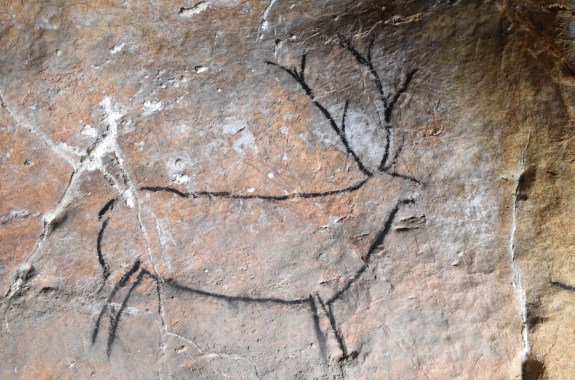
What Newly Discovered Cave Art Tells Us About Human Creativity
Archaeologists keep finding older and older cave art. Here’s what it could tell us about how humans evolved over time.

‘Slingshot’ And The Mental Battle Of Long Space Missions
The new movie “Slingshot” depicts an astronaut’s mental health meltdown. How is NASA preparing for the challenges of long-term space travel?
12:14
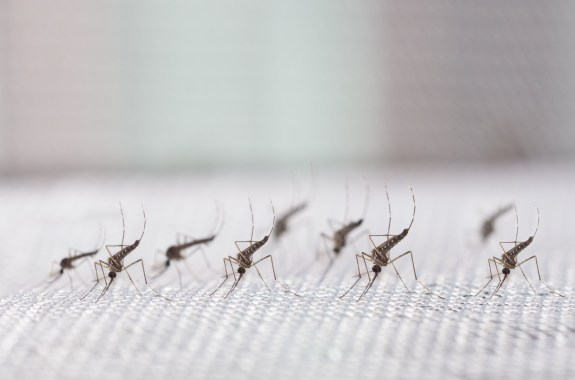
Mosquito-Borne Diseases Are Spreading As Temperatures Rise
Several states have reported cases of the rare but serious mosquito-borne illness eastern equine encephalitis.

6:30
Asteroid That Killed The Dinosaurs Was A Carbon-Rich Rock
A new study suggests that the giant dino-killing rock may have originated from the outer parts of the solar system.