On Today's Podcast
Isabella Rossellini on how acting connects to animal cognition
Should we anthropomorphize animals or not? An actor and an ecologist share what they’ve learned about animal cognition.
Listen NowOctober 23, 2026
CRISPR pioneer Jennifer Doudna discusses the evolution of gene-editing technology and what it takes to be a good scientist. Timekeepers around the world voted to stop using leap seconds, but what does that mean for us? Plus, how "problem bears" help test engineers evaluate consumer products, author Kazuo Ishiguro on emotional truth in our age of AI, and the science of apple varieties.

17:32
How Much Math Should Everyone Know? (Show Your Work.)
Educators argue over how to shake up math education, like ditching pre-calculus and emphasizing real-world thinking.
11:47
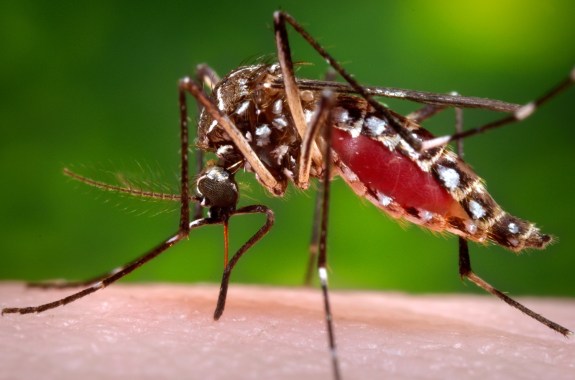
Where Do We Stand in the Fight Against Zika?
The viral storm has made landfall in the U.S, but a vaccine remains elusive.

22:40
The SciFri Book Club Talks ‘Oryx and Crake’
What can Margaret Atwood’s dystopia tell us about the here-and-now?

11:24
Decoding The Hacks Of ‘Mr. Robot’
Kor Adana, a writer for Mr. Robot, unpacks the toolkit of real-life hackers that inspired the show.
15:52
A Hand, a Fin, a Gene
What a fish and a rare amphibian can tell us about how limbs develop, grow, and even re-grow.
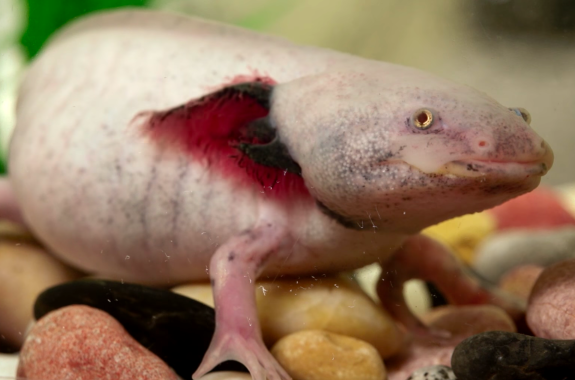
The Axolotl: A Cut Above the Rest
The axolotl is a Mexican salamander with an incredible ability: Cut its leg off, and the limb will grow right back!
7:57
A Quantum Satellite, 500-Year Floods, and Scanning Your Purchases
Science journalist Amy Nordrum describes a Chinese experiment designed to test quantum communication systems. Plus, why scanning your own groceries could lead to sticky fingers.
00:17:03
The Spicy Science of Chili Peppers
What gives the hot habanero and mild jalapeño their “heat profile”?
00:12:02
Our Bodies May Fight Infection Better by Day
Mice appear to be more susceptible to viral infection during their sleep cycle, suggesting that circadian rhythms can affect our immune systems.
16:46
A Fast-Paced Thriller That’s a Tour Through the Multiverse
In “Dark Matter,” Blake Crouch crafts a thriller based on physics’ spookiest phenomena.
8:10
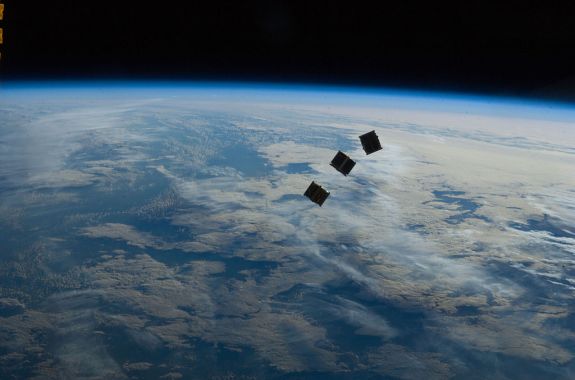
The Race to Build a Smaller Rocket
Rocket entrepreneurs are in competition to be the Uber for small satellites.
8:22
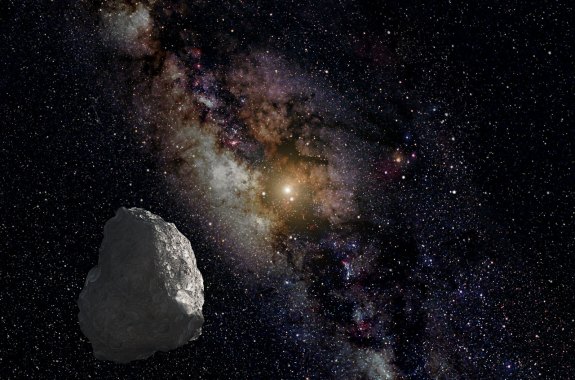
What Makes the Solar System Like a Crime Scene?
An icy space object with a rebellious orbit may be a clue to the mystery of the early solar system.

00:17:16
I, Twitter Bot
The weird, beautiful, and helpful world of automated Twitter accounts.

4:01
What Will More Research-Grade Marijuana Mean for Medical Studies?
The Drug Enforcement Administration has expanded the number of marijuana manufacturers that can grow and provide the drug to medical researchers.
A Portal to the Multiverse
Author Blake Crouch tells the story of a man who invents a machine that can access multiple realities.
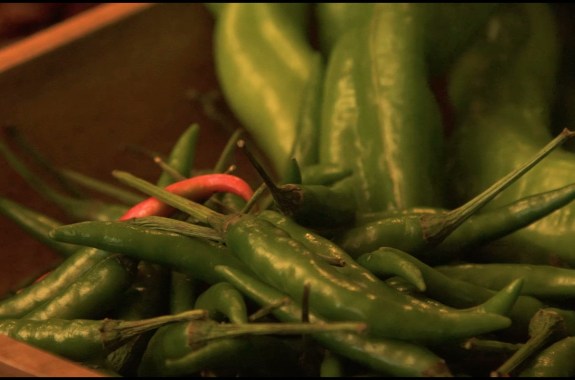
Chili Peppers
A look at where chili peppers’ signature heat comes from. Plus, which is the hottest of them all?
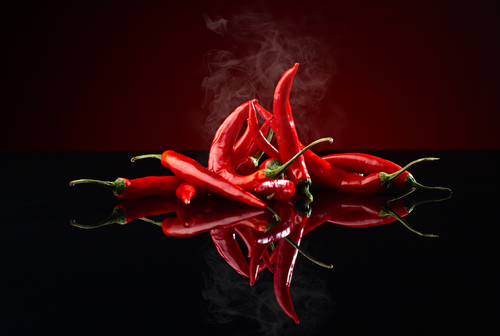
The Agony And Ecstasy Of Capsaicin
Marco Tizzano explains how capsaicin creates a chemical cascade inside your body and why emotions might make chili lovers think they can handle the heat.
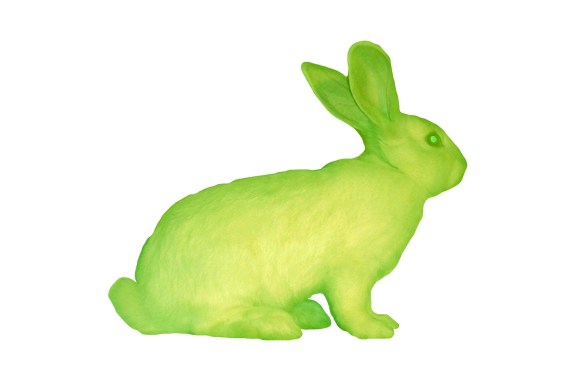
Four Ways ‘Oryx and Crake’ Predicted the Future
Margaret Atwood’s book is fiction, but the cutting-edge research she writes about is real.
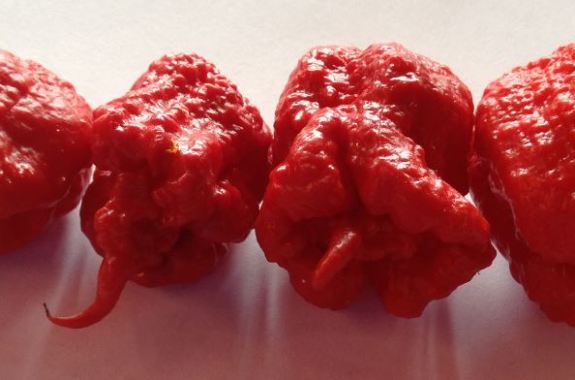
The Hottest Pepper in the World
Consuming the Carolina Reaper is “kind of like eating molten lava.”
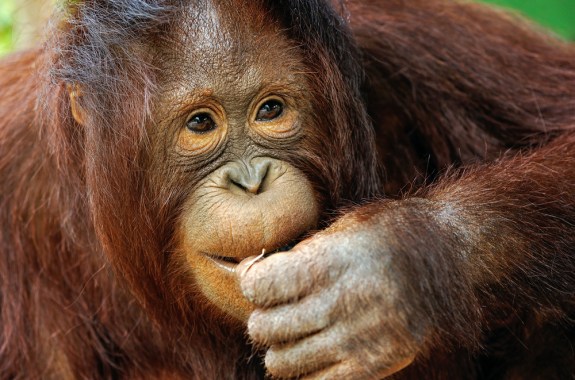
Do Other Animals Show Handedness?
Humans aren’t the only species where righties outnumber lefties.