On Today's Podcast
When, and where, did bats first take to the sky?
An analysis of bat genomes and fossil records has shown that the flying mammals first took wing in Europe some 60-65 million years ago.
Listen NowOctober 30, 2026
When, and where, did bats first take to the sky? Online clinics are prescribing GLP-1 microdoses formulated by compounding pharmacies. Are they safe and effective? Terence Tao says mathematics is about understanding, not just right answers, and quick AI solutions are forcing soul-searching in the field. Plus, how chatbots are changing language, and what life was like for T. rex.
16:50
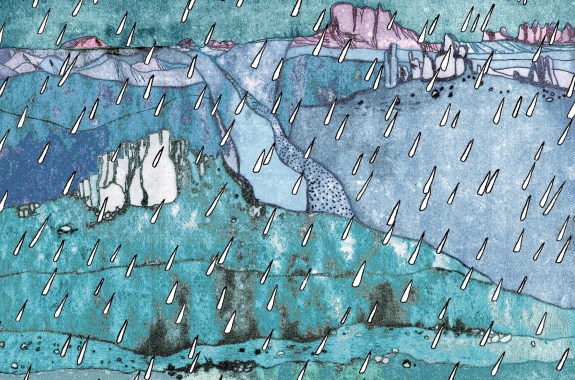
‘Thunder And Lightning’ Captures Weather’s Dramatic Side
In “Thunder and Lightning,” author and artist Lauren Redniss illuminates how weather works, and the sometimes strange ways it shapes our lives.
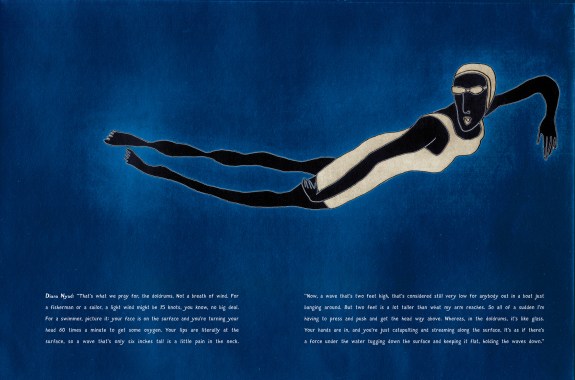
Swimming With Diana Nyad
An excerpt from “Thunder & Lightning: Weather Past, Present, Future.”
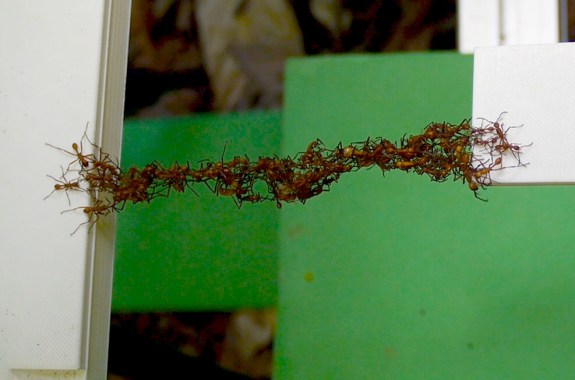
The Road Best Traveled: A Tale of Ants, Slime Mold, and the New Jersey Turnpike
Can the expansive food trails of army ants or the seemingly mindless exploration of slime mold help us understand how and why organisms organize themselves so dynamically?
Happy Birthday, Science Friday!
For the next year, we’ll be celebrating SciFri’s upcoming silver anniversary.
12:22
Are ALL Minnesotans Above Average?
Social psychologist Jessica Salvatore surveys our live, Science Friday audience to determine whether the “Lake Wobegon Effect” is alive and well in Minnesota.
21:19
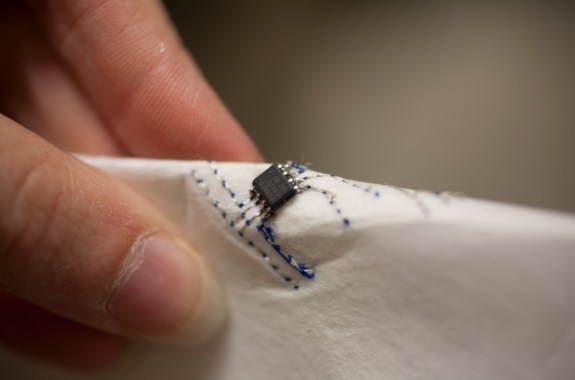
Wearable Superpowers for Earth and Beyond
Technologists Lucy Dunne and Brad Holschuh talk about ultrasonic gloves that “see” through smoke, a real-life Back to the Future jacket, and more wearable innovations.
14:01
The Cellular Superpowers That Heal Skin and Regrow Limbs
“Brains On,” a science podcast for kids and curious adults, tackles the question: How do axolotls regrow limbs?

12:02
Solar Wind Strips Martian Atmosphere, Diamond Dirt, and the Whole Story on Milk
NASA’s MAVEN Mission uncovers why the Martian climate may have changed. Plus, reassessing fatty milk’s reputation.
26:41
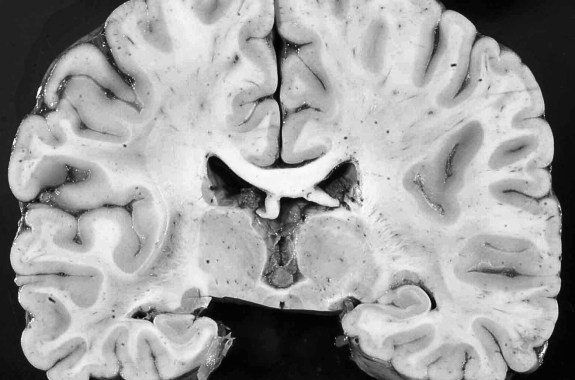
Is Football Bad for Your Brain?
Concern about the long-term repercussions of football are on the rise due to cases of chronic traumatic encephalopathy, or CTE.
06:26
The Science Club Tackles a Communications Challenge
This season’s Science Club project asks you to invent your own communications device.
The Science Club #MessageChallenge
Invent a device or system that can send or carry a message from one place to another.
The Origin Of The Word ‘Vaccine’
This world-changing tool of immunization got its name from a cow virus.
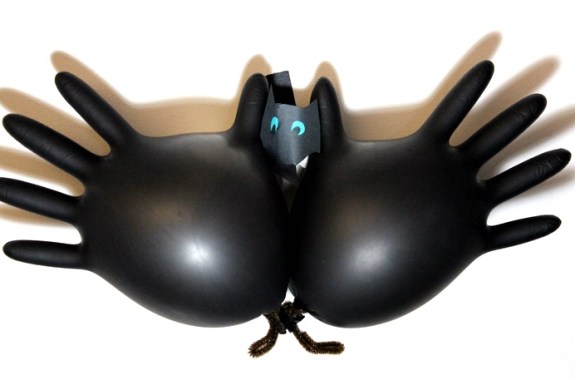
Play the smelly bats game and learn about diffusion
Make your own smelly bats with rubber gloves and flavor extracts to investigate diffusion and the properties of stretchy polymers.
Monster Microbiology, 101
If werewolves and other ghouls existed, they’d surely have microbiomes.

12:08
Red Meat Ruckus, Electrifying Eels, and Sugar Overload
Science writer Ed Yong deciphers the WHO’s red meat announcement and explains how electric eels immobilize prey.

26:29
Monster Microbiome Mash
Just in time for Halloween, scientists Rob Dunn and Amanda Hale imagine what the microbiomes of werewolves, vampires, and other monsters might entail.
07:10
Sniffing Out Warnings From the Scent of Death
Researchers suggest that putrescine—a compound found in corpses—can trigger our defensive responses.
17:42
Discovering the Brain’s Ghoulish Glitches
Science writer Sam Kean discusses some of the brain’s most ghoulish glitches and what they can teach us about how healthy brains operate.
21:59
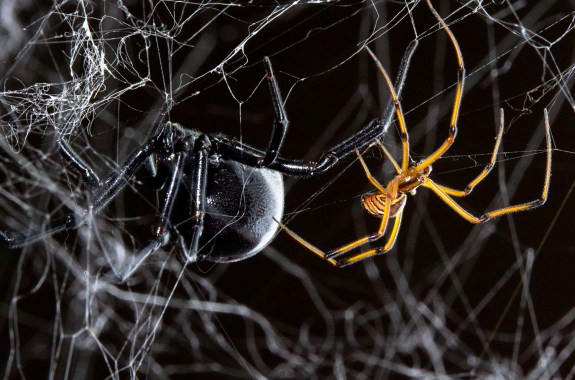
Spider Stories That’ll Stick With You
Cannibalism. Bondage. An offering of flesh. Spiders have weird (and wonderful) ways of enticing and entertaining their mates.