On Today's Podcast
Isabella Rossellini on how acting connects to animal cognition
Should we anthropomorphize animals or not? An actor and an ecologist share what they’ve learned about animal cognition.
Listen NowOctober 23, 2026
CRISPR pioneer Jennifer Doudna discusses the evolution of gene-editing technology and what it takes to be a good scientist. Timekeepers around the world voted to stop using leap seconds, but what does that mean for us? Plus, how "problem bears" help test engineers evaluate consumer products, author Kazuo Ishiguro on emotional truth in our age of AI, and the science of apple varieties.
28:56
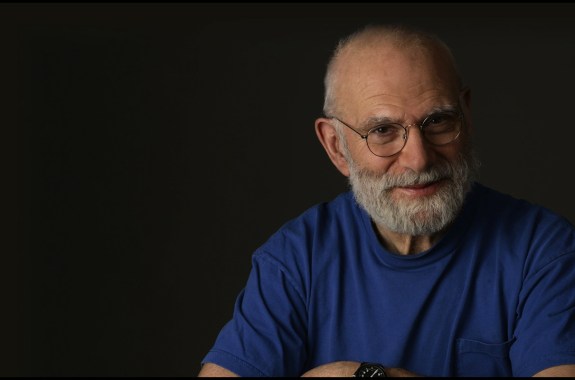
A Tribute to Oliver Sacks
Neurologist, writer, motorcycle racer, weightlifter, swimmer, and enthusiast of ferns, cycads, cephalopods and minerals—Oliver Sacks was a modern day Renaissance man.
11:47
How I Spent My Summer Vacation: Teacher Edition
Teachers Nell Herrmann and Tchnavia Merrick tell us about their science-filled summer vacations.
16:54
The Forgotten History Of Autism
In his new book, “NeuroTribes,” science writer Steve Silberman documents how politics and self-promoting scientists have altered our understanding of the condition over the years.
16:35
Is Modern Dating the Worst?
How text messages, profile pictures, and changing expectations factor into modern dating.

A Cure For The Colorblindness Blues
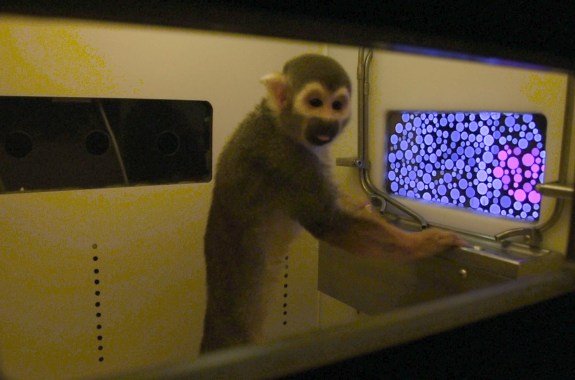
Using a virus-based gene therapy and a group of highly trained monkeys, Maureen and Jay Neitz may have created a cure for colorblindness.
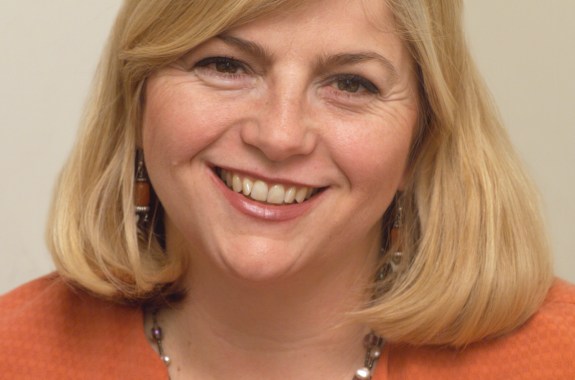
A Vaginal Ecologist’s Crusade Against HIV in Women
Sharon Hillier is using her expertise in women’s nether regions to bring an HIV-prevention drug—targeting females—to market.
17:25
Putting Scientific Research to the Test
Out of 100 psychology studies, researchers were able to reproduce the original results in less than half.
6:38
From Hawking, a New View of Black Holes
At a recent scientific meeting, physicist Stephen Hawking outlined a possible solution to a paradox about information in a black hole.
10:05
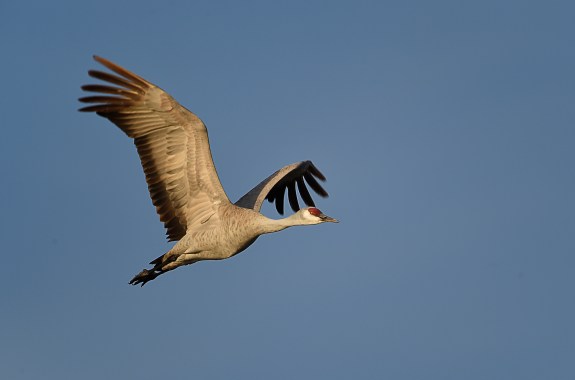
Birds To Spot In Your Yard This Fall
Autumn is a good time to observe birds changing their plumage and behavior, and an opportunity to spot birds commuting south from their Arctic summer homes.
11:57
Can Rooftop Solar and Utilities Get Along?
Rooftop solar is booming. But as more homegrown energy comes online, utilities foresee an economic squeeze—which is leading to nasty fights over the future of utilities and the grid.
9:01
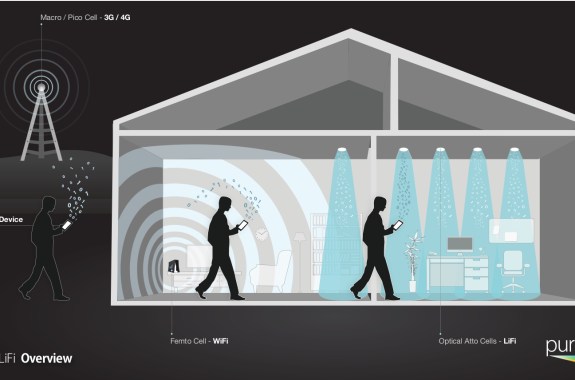
LEDs Could Light the Way to Future Networking
Engineers are researching how LEDs could help with the broadband “capacity crunch.”
25:23
The SciFri Book Club Talks ‘The Soul of a New Machine’
After three weeks of reading, the SciFri Book Club regroups to discuss Tracy Kidder’s 1981 true-tech tale, “The Soul of a New Machine.”
11:48
Urban Ecosystems, Turing Nanopatterns, and Serving Sizes
Brandon Keim, a freelance science reporter, shares this week’s top science news.

Write Your Name In Binary Code
Want to write like a computer? Here’s your chance to get started.
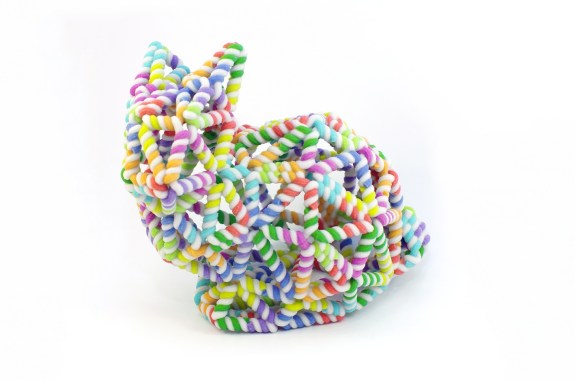
An Origami Bunny, Made From DNA
Researchers have developed a method to build tiny structures out of DNA based on 3-D polygonal shapes created with a computer.
11:44
Crowdsourcing Planetary Names, Female ‘Viagra,’ and a Vomit Machine
BuzzFeed News science editor Virginia Hughes shares her top stories from this week in science, and Scientific American editor Lee Billings discusses crowdsourced planetary names.
24:26
Employee or Datapoint?
The data employers are gathering on their employees aren’t always a fair measure of efficiency or success, and in some cases, it’s an invasion of privacy.
8:38
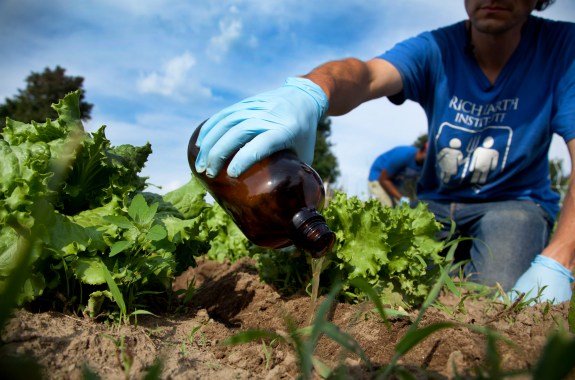
How To Be A Garden Whiz
Could urine be the gold standard when it comes to fertilizing your garden?