On Today's Podcast
Why are we changing the way we keep time?
Timekeeping scientists around the world voted to stop using leap seconds, but what does this mean for us?
Listen NowOctober 23, 2026
CRISPR pioneer Jennifer Doudna discusses the evolution of gene-editing technology and what it takes to be a good scientist. Timekeepers around the world voted to stop using leap seconds, but what does that mean for us? Plus, how "problem bears" help test engineers evaluate consumer products, author Kazuo Ishiguro on emotional truth in our age of AI, and the science of apple varieties.
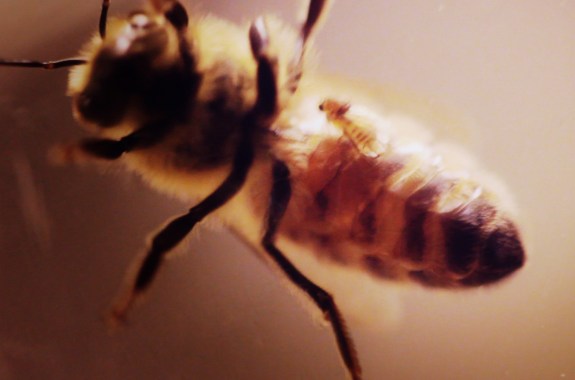
Invasion of the Zombees: A Bee Horror Film
Up and down the West coast of the U.S., bees are leaving their hives, flying around at night and then suddenly dropping dead – Learn why!
#ObserveEverything Reflection
Experience the Science Club’s #ObserveEverything project.
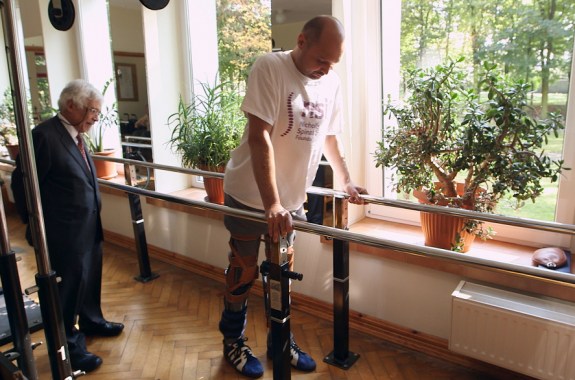
12:19
Nerve Transplant Allows Paralyzed Man to Move Legs Again
The pioneering treatment uses cells from the nasal cavity and strips of nerve from the ankle to repair a spinal injury.
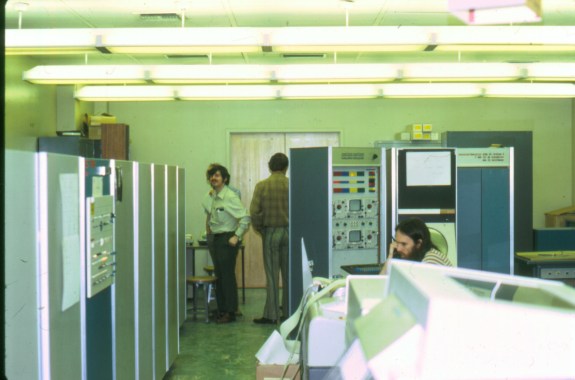
26:32
Meet ‘The Innovators’ Who Made the Digital Revolution
Walter Isaacson’s “The Innovators” shows how the digital revolution was a team effort.
11:44
Hand Sanitizer May Increase BPA Absorption
Hand sanitizer and similar products could increase the amount of BPA absorbed by the skin.
25:19
You Observed…Everything
The Science Club meets to discuss your observations of the world around you, from spider habitats to lunar eclipses.
8:41
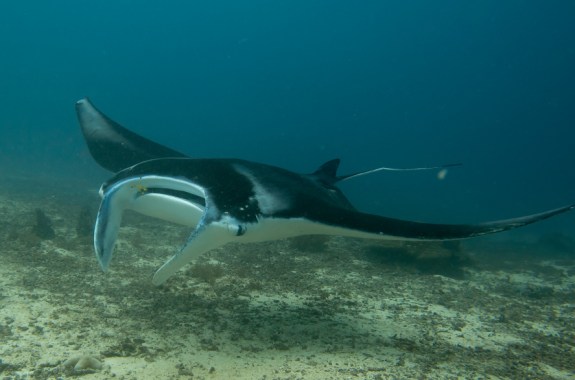
Making a Meal From a Mouthful of Seawater
A manta ray can filter 240 gallons of seawater per minute.
7:24
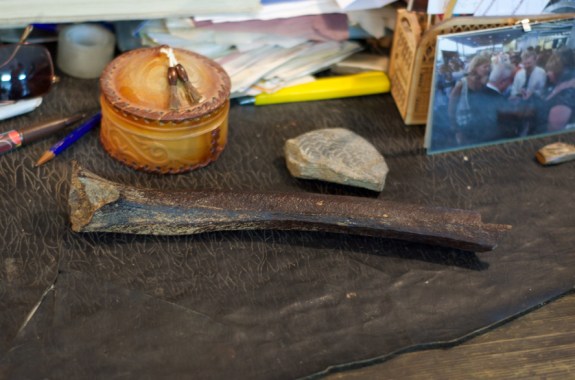
Fossil Find Pushes Back Neanderthal-Human Mixing
Researchers say a leg bone discovered in a Siberian river bank belongs to a man who lived some 45,000 years ago.
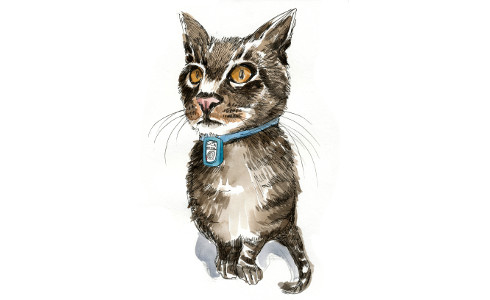
#ObserveEverything…Including the Cat
In the book “Lost Cat,” two feline fans reveal how methodical observation and GPS technology helped solve a kitty mystery.
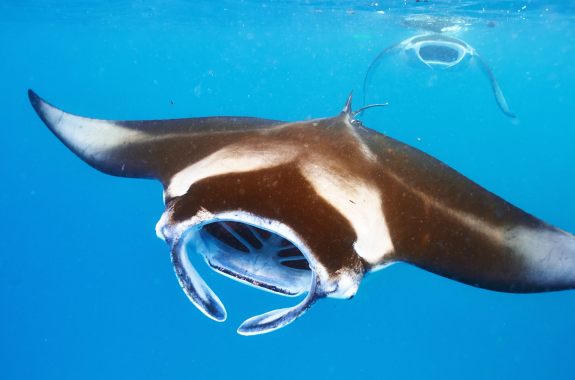
No Strain, No Gain: Filter Feeding Mantas
Marine biologist and biomechanist, Misty Paig-Tran details her research into these graceful giants and reveals the multiple methods of filtration they use to sift a meal from the water.
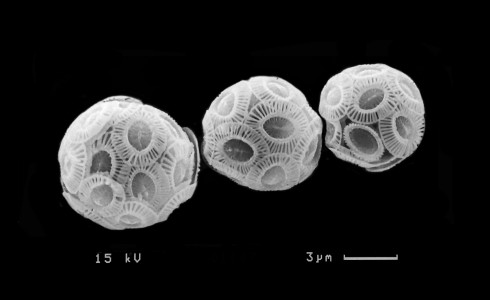
Though They Be Tiny, These Algae Be Hardy
This hard-scaled algae adapted to increased temperatures and acidification of the water—and continued absorbing CO2.

Live From South Bend, Indiana
Video from Science Friday’s live show at the University of Notre Dame in South Bend, Indiana.
11:43
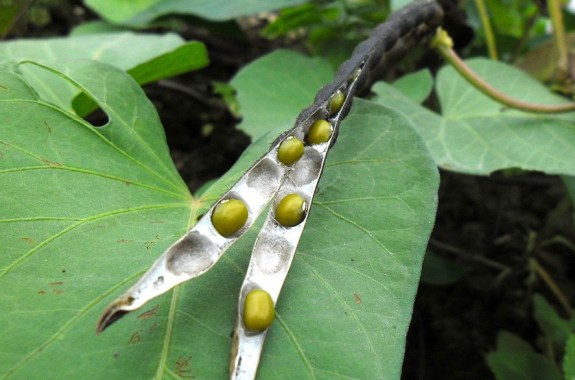
Rooting Out the Plant Microbiome
Scientists are uncovering the importance of the plant microbiome for fighting off pathogens and increasing crop yields.
20:52
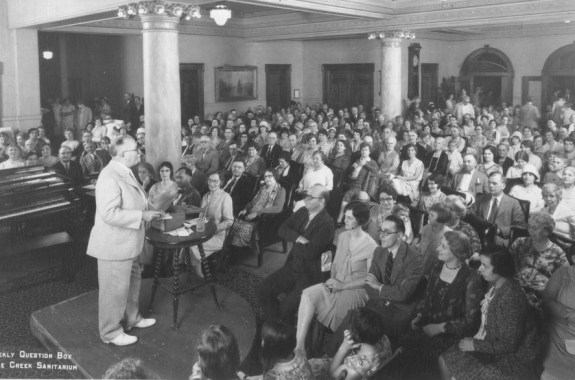
More Than Cornflakes
John Harvey Kellogg and his brother, W.K., are known today for their most famous discovery—corn flakes—but invented many other health foods along the way.
16:44
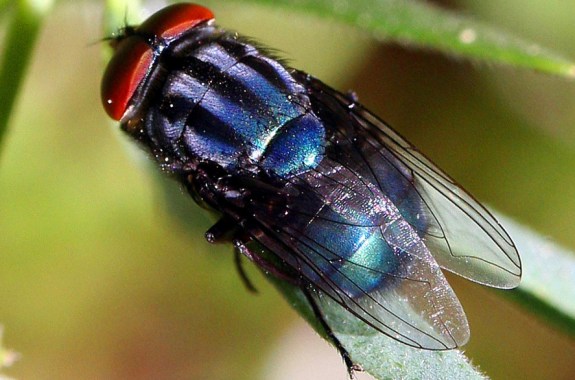
Forensic Entomologists Hunt Down Insects to Help Catch Criminals
To help piece together a crime scene, forensic entomologists examine the insects found in the area.
10:38
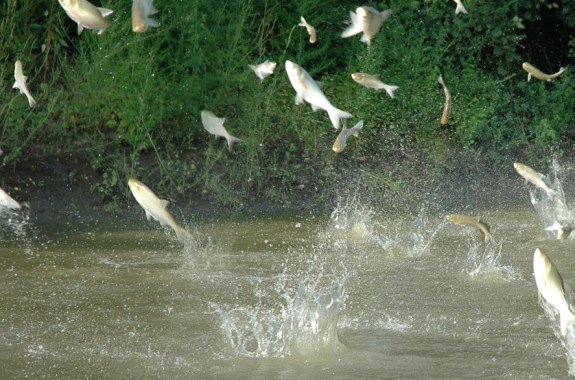
Environmental Detectives Use Genetic Tools to Track Invasives
A recently developed technique called “environmental DNA” allows invasive species trackers to get a time-sensitive fingerprint of which species are living where—including underwater.
11:07
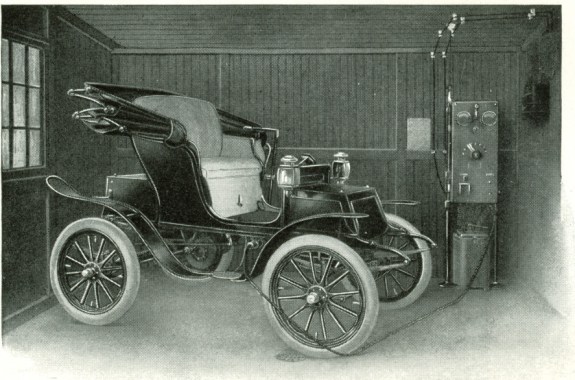
The ‘First’ Battle of Gas Versus Electric
As plug-in electric vehicles struggle to carve out a slice of today’s auto market, it’s worth remembering the first such battle—at the turn of the 1900s.
15:01
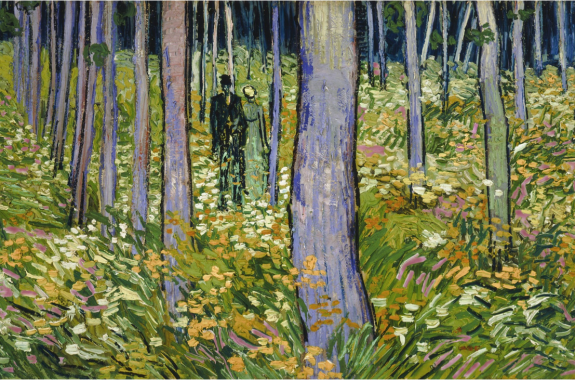
Is Your ‘Priceless’ Painting a Fake? Better Ask a Scientist
Techniques from physics and chemistry can help scientists and art historians sniff out art forgeries.
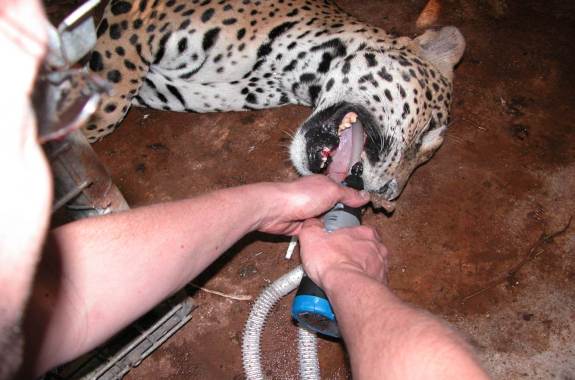
A Jaguar Needs a Root Canal? The Dentist Is In
Veterinary dentist Brook Niemiec treats an ark of animals, from man’s best friend to lions, tigers, and bears.