On Today's Podcast
The neuroscience behind ‘mommy brain’
Many women perceive changes in their brains during pregnancy and postpartum. What can brain scans tell us?
Listen NowNovember 20, 2026
The Voyager 1 spacecraft is now a full light-day from Earth. Many women perceive changes in their brains during pregnancy and postpartum. What can brain scans tell us? The dengue outbreak in Florida isn't a one-off. As the climate changes, dengue is expected to become more prevalent and spread farther. Plus, a new book from the internet’s favorite forager.
16:44
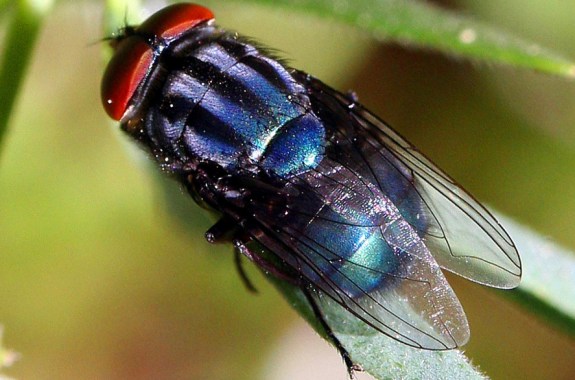
Forensic Entomologists Hunt Down Insects to Help Catch Criminals
To help piece together a crime scene, forensic entomologists examine the insects found in the area.

10:38
Environmental Detectives Use Genetic Tools to Track Invasives
A recently developed technique called “environmental DNA” allows invasive species trackers to get a time-sensitive fingerprint of which species are living where—including underwater.

11:07
The ‘First’ Battle of Gas Versus Electric
As plug-in electric vehicles struggle to carve out a slice of today’s auto market, it’s worth remembering the first such battle—at the turn of the 1900s.

15:01
Is Your ‘Priceless’ Painting a Fake? Better Ask a Scientist
Techniques from physics and chemistry can help scientists and art historians sniff out art forgeries.
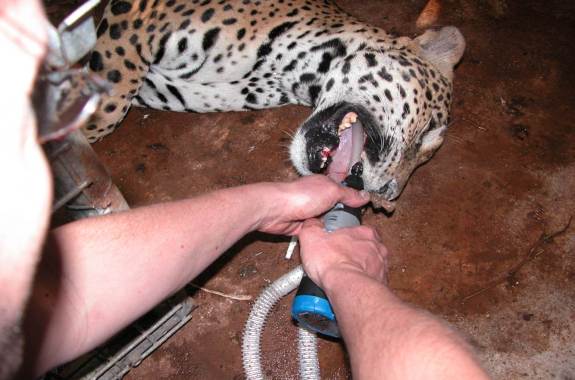
A Jaguar Needs a Root Canal? The Dentist Is In
Veterinary dentist Brook Niemiec treats an ark of animals, from man’s best friend to lions, tigers, and bears.
#ObserveEverything: Staff Picks, Week #3
A class keeps tabs on fruit decomposition, someone spies mystery in a lake, and a hiker sits down with an ant.

11:45
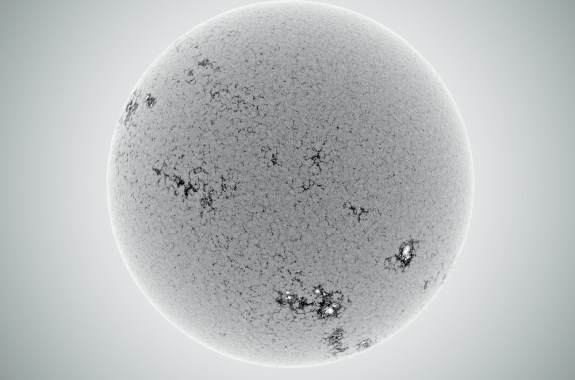
Taking the Temperature of Rising Seas
Researchers are trying to better understand ocean water temperatures, which is an important factor in rising sea levels.

27:42
Atul Gawande: On Being Mortal
In his book “Being Mortal,” surgeon Atul Gawande argues that more medicine may not be better medicine in end-of-life care.

6:04
How to Make Quark Soup
Brookhaven National Laboratory cooks up tiny ephemeral batches of quark-gluon soup that are said to be the most “perfect” fluid ever discovered.
12:04
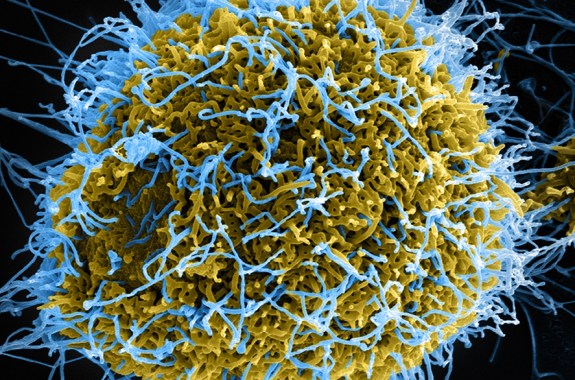
The Race to Contain, Rather Than Cure, Ebola
With production of experimental treatments slow-going, rapid diagnostic testing could be the best bet for containing the ongoing Ebola outbreak.

7:23
How Did the Violin Get Its Shape?
From its role in biological systems to cultural products, “shape is information that can tell us a story,” says biologist Dan Chitwood.
10:10
Your Home, Your Bacteria
The surfaces in a home reflect the distinct blend of bacteria that inhabit the people that live there.

17:08
Is MSG Bad for Your Health?
Four decades of scientific studies suggest the food additive MSG may not deserve its toxic reputation.
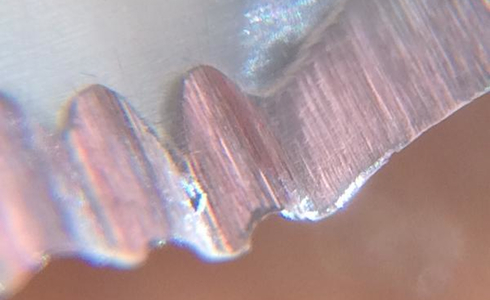
#ObserveEverything: Staff Picks, Week #2
A celestial event, citizen science, and a variety of natural wonders drew observations in week 2 of Science Friday’s Science Club.
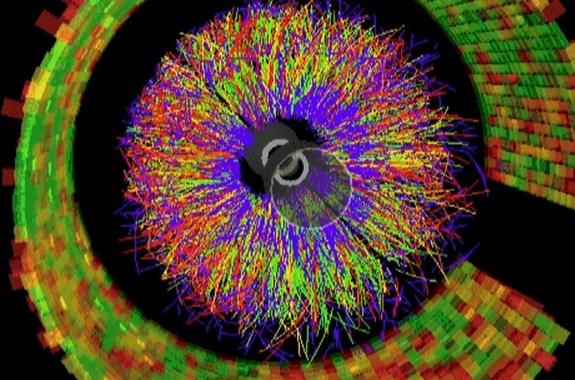
How to Make Quark Soup
Using massive feats of engineering, Brookhaven National Laboratory has devised a recipe for cooking up tiny ephemeral batches of this quark-gluon soup, a fluid which physicists Paul Sorensen say is the most “perfect” fluid ever discovered.
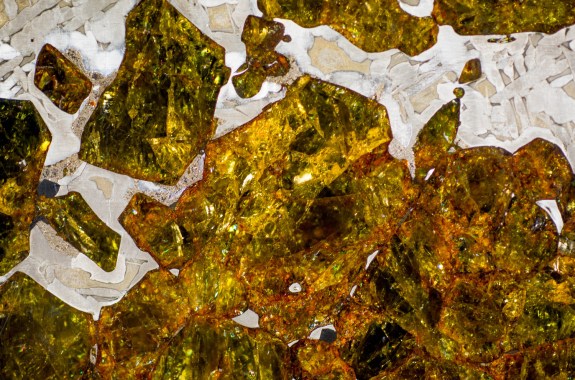
Fukang Pallasite: One of the Rarest Types of Meteorite
This rare type of meteorite offers insight into asteroid formation, as well as earth’s geologic processes.
#ObserveEverything: Staff Picks, Week #1
We observe: you’re amazing! Staff picks from the first week of Science Club’s #ObserveEverything

12:08
Do Chimps Have Culture?
Researchers say a real-world case of ‘monkey see, monkey do’ might model the origins of human culture.