On Today's Podcast
Tracking shark populations, one shark at a time
A Florida research team catches and releases about 600 sharks a year to monitor their populations and study the health of marine ecosystems.
Listen NowJuly 24, 2026
Archeologists are piecing together the lives of ordinary Pompeii residents, from a fish sauce entrepreneur to an enterprising businesswoman. Plus, Andrea Ghez developed a way to peer through dust clouds and observe stars orbiting the supermassive black hole at the center of the Milky Way. And, what do we know, and not know, about SSRI antidepressant withdrawal?

3:13
‘Lucy’ Debunked
A neurobiologist reveals sci-fi thriller “Lucy”‘s neuroscience bloopers.
13:47
Close Your Eyes and Listen to the Night Sky
If the bright “supermoon” drowns out the Perseid meteor shower this year, why not listen for meteors instead?
8:36
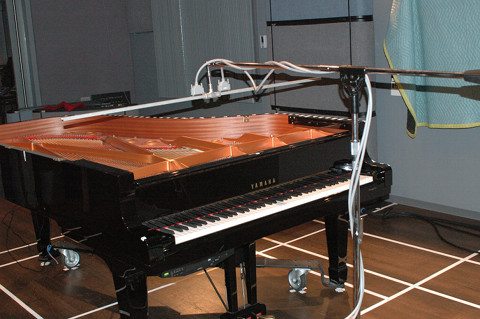
Can Science Build a Better Piano?
Scientists have created a 3D acoustical scan of the piano’s resonance—and say it could help refine the art of piano-making.
7:44
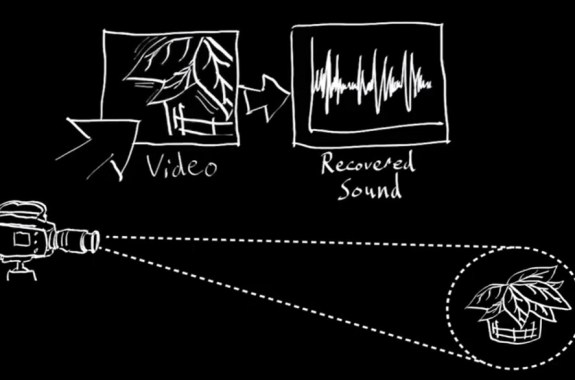
Algorithm Turns Everyday Objects Into Microphones
Sound waves trigger tiny vibrations in objects. By studying the vibrations, researchers can recreate the sounds that caused them.
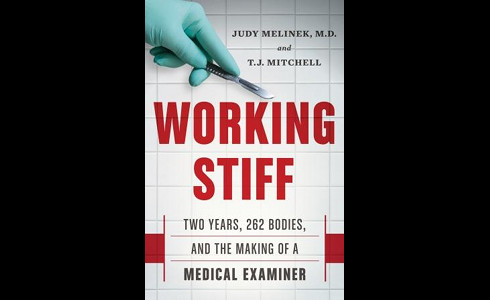
Getting Hooked on Forensic Pathology
An excerpt from “Working Stiff: Two Years, 262 Bodies, and the Making of a Medical Examiner.”

Medical Mystery: The Pink Eye of Death
Can you solve this real-life medical mystery?
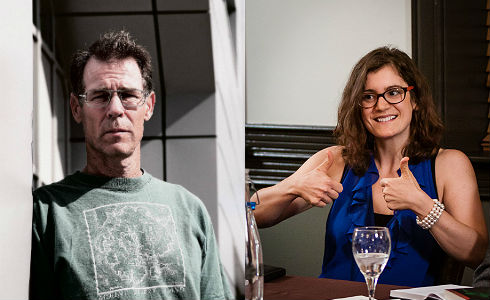
Meet the ‘Dune’ Readers: Kim Stanley Robinson and Sara Imari Walker
Sci-fi author Kim Stanley Robinson and astrobiologist and theoretical physicist Sara Imari Walker talk about returning to Frank Herbert’s Dune Planet.
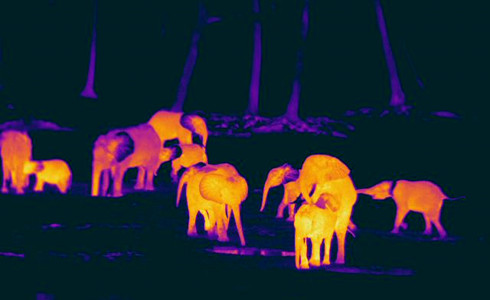
The Heat Is On: Mating Pandemonium in African Forest Elephants
A researcher uses thermal imaging to study elephant mating behavior.
‘Dune’ Discussion Question: Week #2
The second discussion question for this summer’s SciFri Book Club selection, “Dune.”
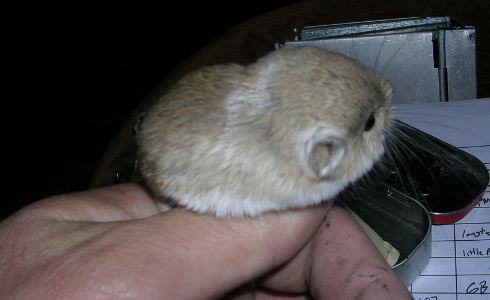
‘Dune’ Pic: What’s this Mouse Got to Do With Paul Muad’Dib?
Ecologist Ned Dochtermann explains why the kangaroo mouse makes a perfect namesake for Paul Muad’Dib, the hero in Frank Herbert’s “Dune.”

12:06
Ebola Outbreak Continues in West Africa
Ebola specialist Daniel Bausch provides an on-the-ground view of treating the disease in West Africa.

17:26
How Ultramarathons Affect the Heart, Blood, and Brain
Exercise scientists Tamara Hew-Butler and Greg Whyte talk about how the body changes after dozens of hours in motion.

15:36
Can Animals Go Mad?
From depressed dogs to anxious gorillas, author Laurel Braitman explores mental illness in animals.
22:37
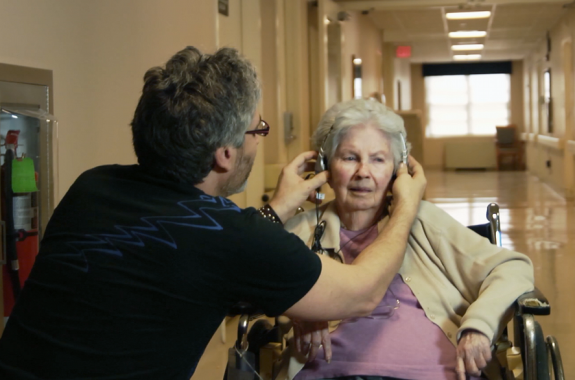
Tapping Into Musical Memory
A new documentary, “Alive Inside,” exposes the connections between music and memory.
6:28
Can’t Stop Worrying? Blame It on Your Habenula
The habenula is a pea-sized part of the brain that tracks our expectations of negative events.
16:29
Will Big Data Answer Big Questions on Health?
Google’s latest big idea is called “Baseline Study”—an effort to catalog the DNA of thousands of healthy people, along with their blood, urine, saliva, breath, and tears.

Animals Can Suffer From Mental Illness, Too
An excerpt from Laurel Braitman’s “Animal Madness.”

Balloon Rockets
In this lesson from the Chemical Educational Foundation, apply the concepts of pressure and Newton’s laws of motion to build balloon rockets.
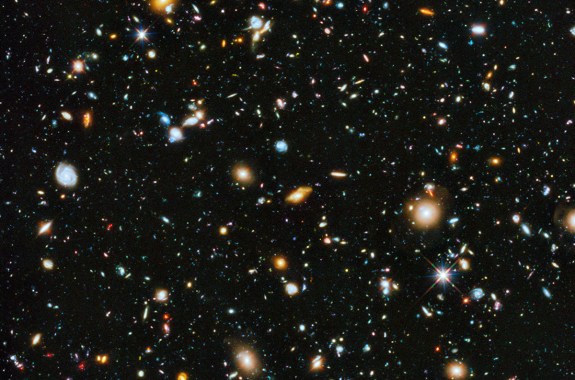
A Galaxy Bonanza
This photograph of the universe taken by Hubble reveals more than 10,000 galaxies, including young ultraviolet ones.