On Today's Podcast
Isabella Rossellini on how acting connects to animal cognition
Should we anthropomorphize animals or not? An actor and an ecologist share what they’ve learned about animal cognition.
Listen NowOctober 23, 2026
CRISPR pioneer Jennifer Doudna discusses the evolution of gene-editing technology and what it takes to be a good scientist. Timekeepers around the world voted to stop using leap seconds, but what does that mean for us? Plus, how "problem bears" help test engineers evaluate consumer products, author Kazuo Ishiguro on emotional truth in our age of AI, and the science of apple varieties.
12:04
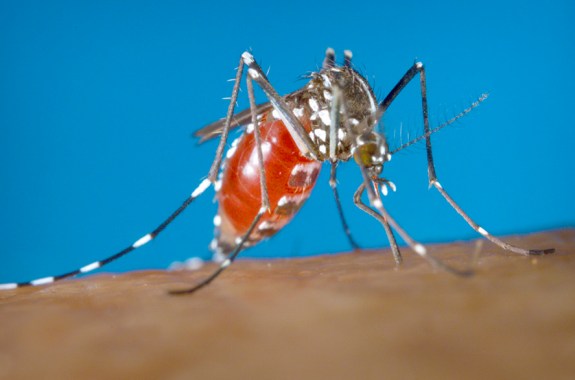
Mosquito-Borne Viruses Raise Public Health Concern
This summer, two different and currently untreatable mosquito-borne viruses were identified on the East Coast.
6:34
A Newly Discovered Virus That Lives in Our Gut
Researchers discovered a virus that lives in the gut of half of the world’s population.
10:59
What’s the Real Cost of Your Steak?
Cattle require 28 times more land and 11 times more irrigation water than eggs or poultry.
17:21
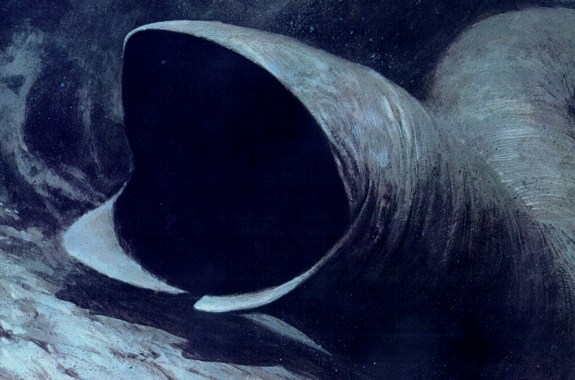
The SciFri Book Club Introduces Dune
Sci-fi author Kim Stanley Robinson and astrobiologist Sara Imari Walker introduce the SciFri Book Club’s summer selection: “Dune”.
11:45
New Online Tracking Tool Evades Privacy Settings
A new online tracker is snooping on visitors to over 5,600 popular sites—and it’s nearly impossible to block.
17:25
HIV/AIDS Update
A round-up of the latest HIV/AIDS research news and an update from the International AIDS Conference in Melbourne, Australia.
10:09
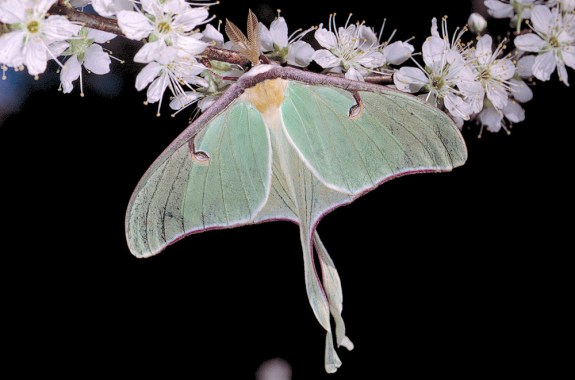
‘Moth-ers’ Celebrate Less-Loved Lepidopterans
Elena Tartaglia, a co-founder of National Moth Week, gives tips on spotting butterflies’ neglected cousins.
6:09
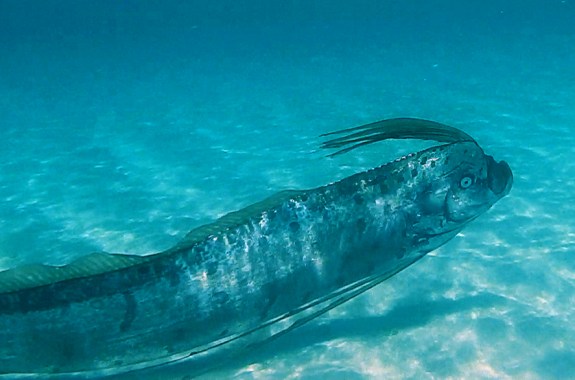
Oarfish: The Ultimate Fish Tale
Little is known about the monstrously long oarfish, its life cycle, and how it navigates its deep sea environment.
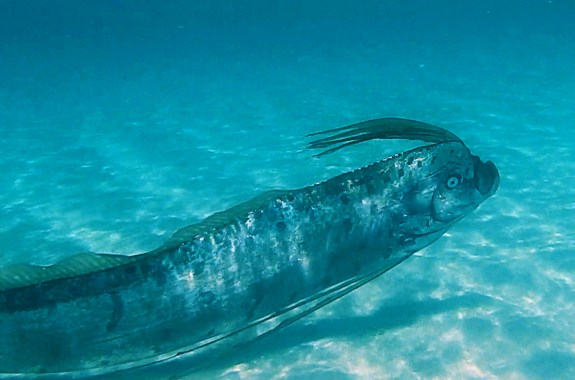
Oarfish: The Ultimate Fish Tale
Thought to the be inspiration of sea serpent stories, the monstrously long oarfish provokes wonder in nearly all who witness it. Yet despite our fascination, little is known about this fish, its lifecycle, and how it navigates its deep-sea environment.
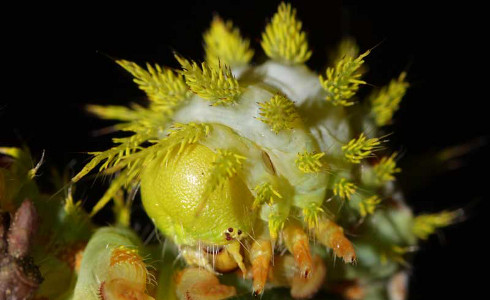
The Caterpillar With the Candy-Cane Stripe
This silk moth symbolizes National Moth Week, which has gone global.
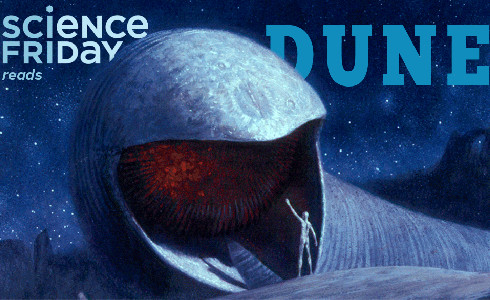
The SciFri Book Club Reads Dune
This summer’s pick is a bona fide science fiction classic: Frank Herbert’s ecological epic, “Dune.”
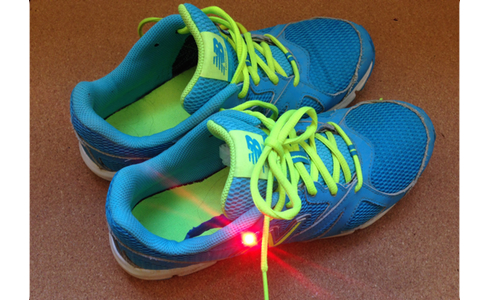
Fashion Circuit
Add some pizzazz to your favorite clothing and accessories using some wire, tape, a battery, and an LED.
12:09
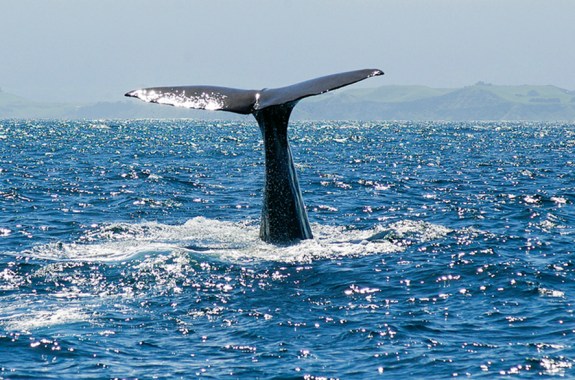
Scientists Call Whales the ‘Engineers’ of the Ocean Ecosystem
Whales stabilize the ocean ecosystem through a mechanism scientists call the “whale pump,” or fecal plumes.
7:39
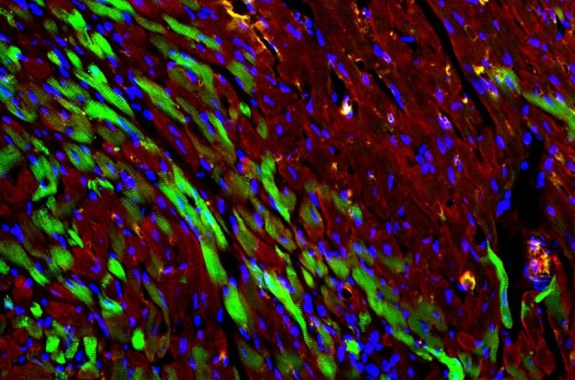
Pacemaker Researchers Swap Batteries for Biology
With gene therapy, scientists reprogram pig heart cells to improve heartbeat.
6:50
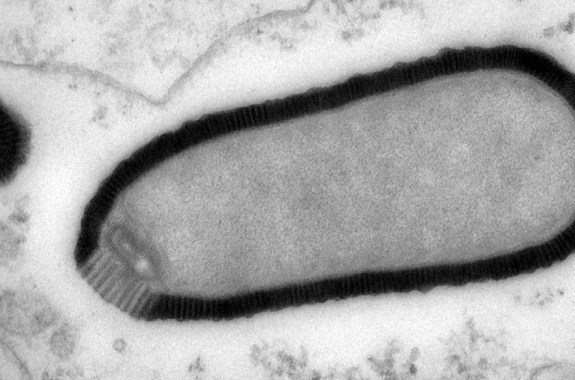
Frozen in Time, a Giant Virus
A virus large enough to be seen through a light microscope was recovered from the Siberian permafrost.
16:24
App Chat: Plugging In to the Outdoors
Reporter Bob Parks guides us through his favorite outdoor and camping apps.
22:14
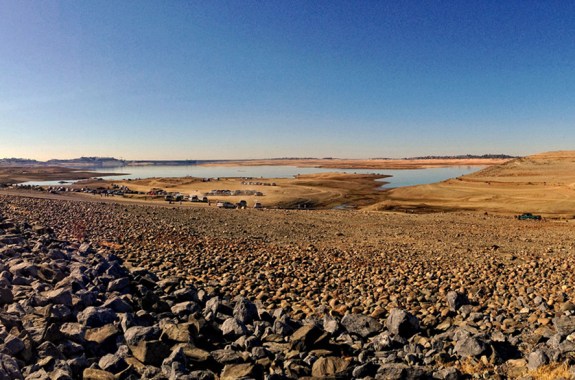
As California Dries Up, Locals Hope for El Niño
A third of California is now clenched by exceptional drought, and this week the state announced $500 fines for water-wasters. But many residents continue to hope for rain.
20:51
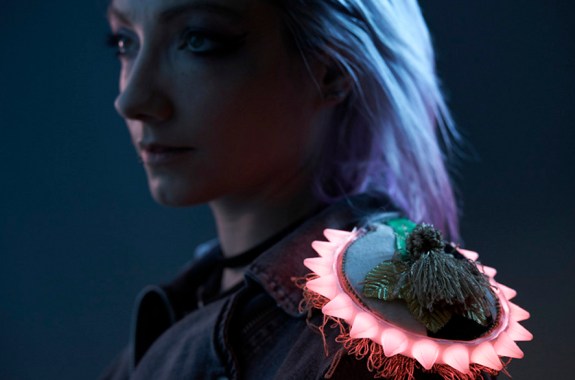
Fashioning The Future
A scientist and a designer imagine fashion’s high-tech future.
5:49
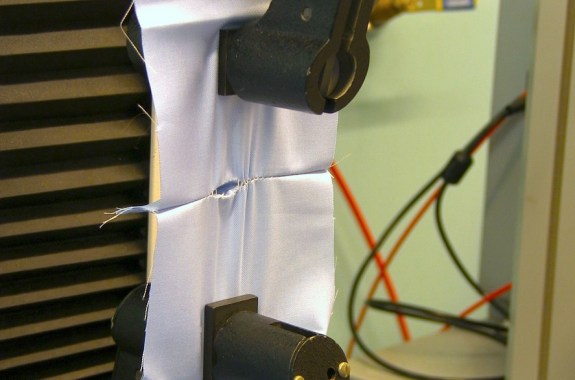
Smarty Pants: Testing the Quality of Textiles
Confidence in how well our garments suit us shouldn’t be taken for granted—we owe much to textile quality assurance.
Sea, Temperature, CO2 Levels All Rise in 2013
NOAA releases its State of the Climate Report for 2013.