On Today's Podcast
Why are we changing the way we keep time?
Timekeeping scientists around the world voted to stop using leap seconds, but what does this mean for us?
Listen NowOctober 23, 2026
CRISPR pioneer Jennifer Doudna discusses the evolution of gene-editing technology and what it takes to be a good scientist. Timekeepers around the world voted to stop using leap seconds, but what does that mean for us? Plus, how "problem bears" help test engineers evaluate consumer products, author Kazuo Ishiguro on emotional truth in our age of AI, and the science of apple varieties.
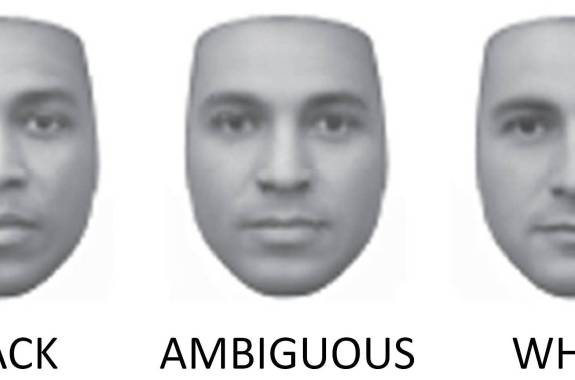
What’s in a Label?
A new book looks at how the way we think and behave can be shaped by forces we aren’t aware of.
9:55
Tracking a Rise in ADHD Diagnosis
Researchers work to understand what might be behind a surge in diagnoses of attention deficit hyperactivity disorder.

23:32
‘Drunk Tank Pink’ Finds Clues to Behavior
In his new book, Adam Alter examines the way labels, symbols, and colors can affect human behavior.

7:32
President Obama Calls for a ‘BRAIN Initiative’
NIH Director Francis Collins discusses President Obama’s new ‘BRAIN Initiative’ research program.
4:17
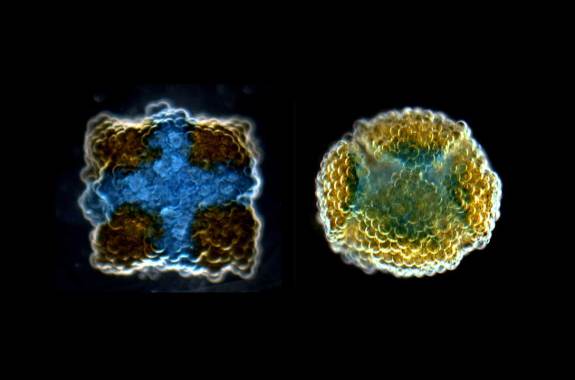
Building Synthetic Tissues from Water Droplets?
Researchers turned tiny water droplets into cooperating networks that can change shape and pass electrical signals.
8:42
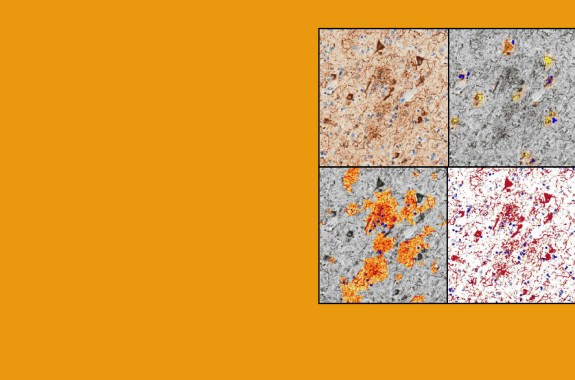
Amyloid Proteins Help Paralyzed Mice Walk Again
Scientists say the proteins, once thought to be enemies of the nervous system, may actually be protective ‘guardians.’
12:24
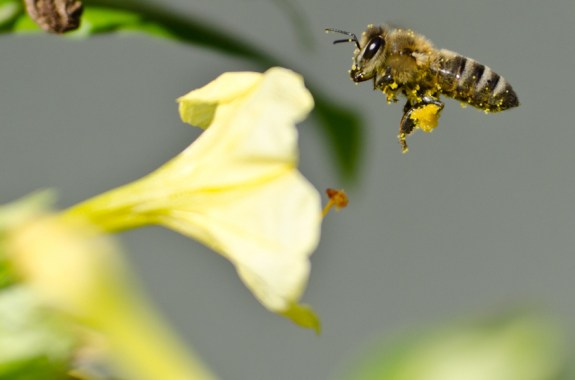
Bees Emerging After a Hard Winter
Apiculturist Eric Mussen discusses the plight of the modern honeybee.
25:37
Searching for the Roots of ‘Right’ and ‘Wrong’
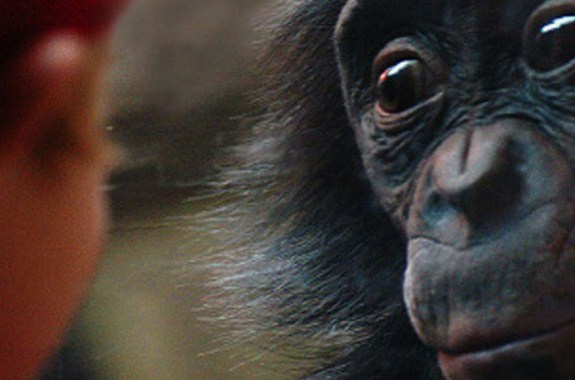
Primatologist Frans de Waal explores the origins of morality in The Bonobo and the Atheist.
Mama’s Boys, Black Sheep, and Peacekeepers
An excerpt from “The Bonobo and the Atheist.”
Would Usain Bolt Run More Slowly With the Name Usain Plod?
This excerpt from “Drunk Tank Pink” explores whether names affect major life outcomes.
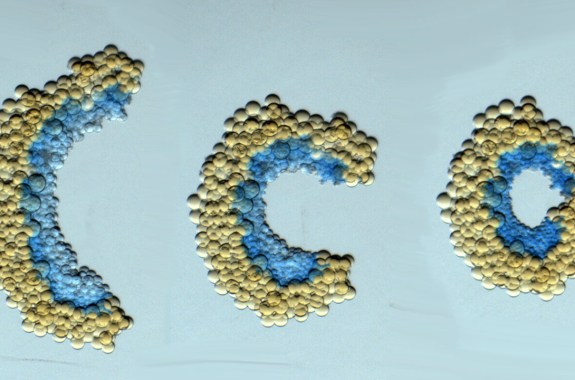
Making Tissues from Water Droplets?
Researchers turned tiny water droplets into cooperative networks that can change shape and pass electrical signals.
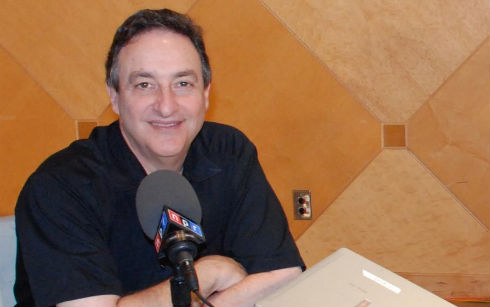
Building the Future of SciFri
A number of listeners have asked us what the end of “Talk of the Nation” means for us.
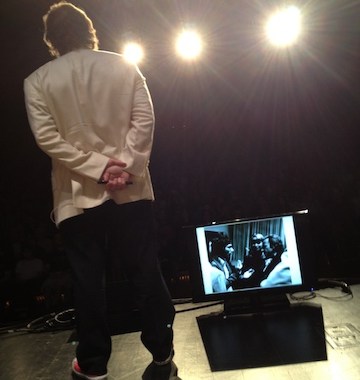
How to Get 6,000 People to Talk Science
Bill Nye and I were on a panel discussing how to tell stories about science.
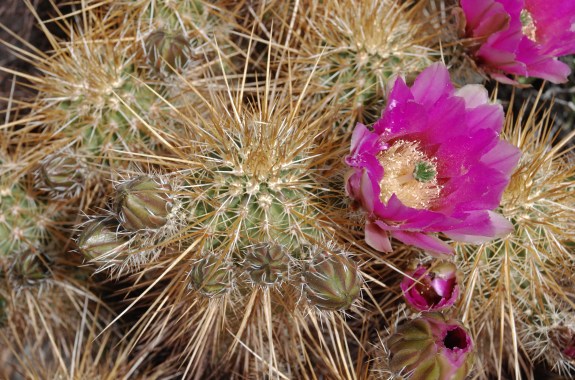
Scene in the Sonoran
Science Friday hits the desert trail to take in some springtime sights.
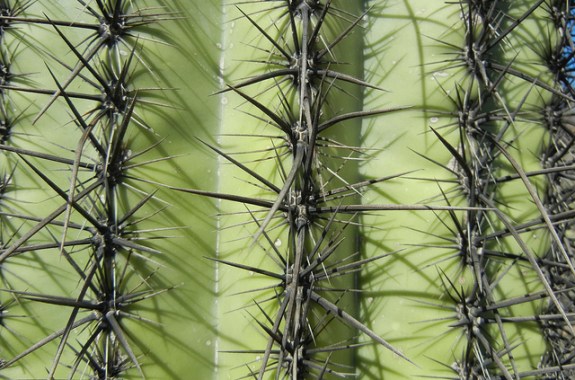
11 Things You Didn’t Know About Saguaro Cacti
Were you aware that saguaros are black market commodities? Here’re some other cool cactus facts.
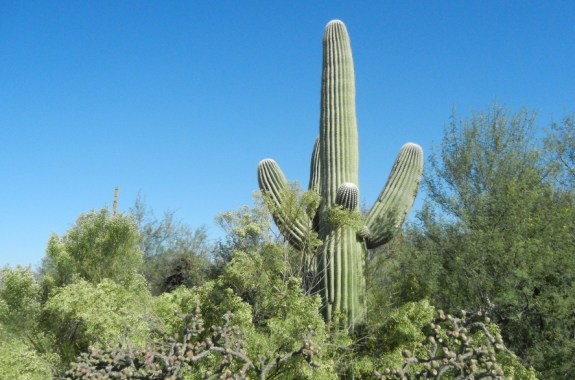
30:36
The Secret Life of the Sonoran Desert
We check in on the Gila monsters, saguaros, and microbial crusts living in the desert Southwest.
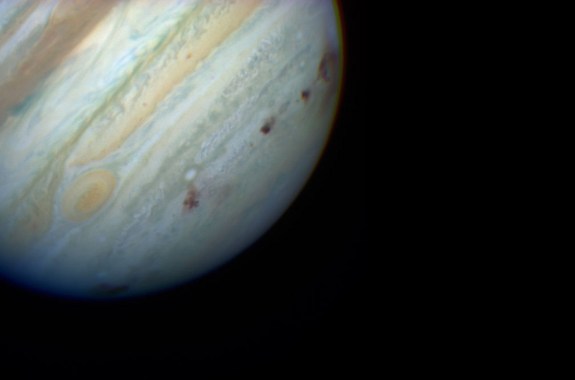
15:59
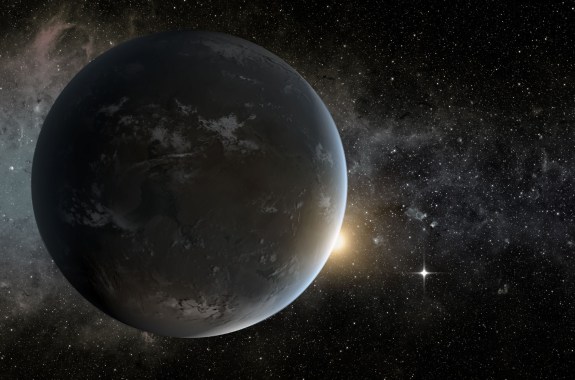
How Cosmic Collisions Have Shaped Our Solar System
Some of our solar system’s landmarks can trace their origins to massive impacts.
36:35
Gripping Science Tales Need Not Be Science Fiction
How can scientists tell compelling stories without hyping or distorting the science?
9:34
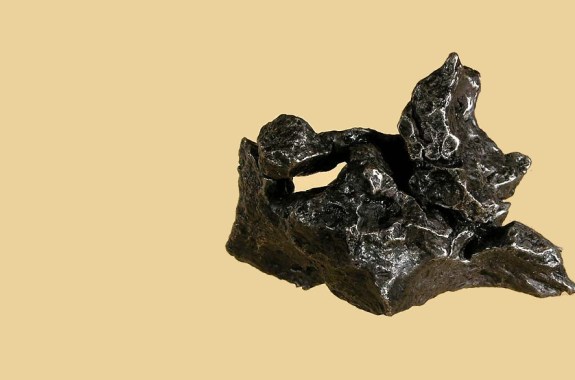
Studying Rocks Found on Earth for Clues About Space
We’ll take a tour of the Center for Meteorite Studies, and learn how meteorites can teach us about the history of the solar system.

12:01
For Babies, It’s Better to Like What I Like
How green beans, graham crackers, and puppets can give insight into the development of moral behavior.