On Today's Podcast
What was life like for Tyranossaurus rex?
T. rex may be the most famous prehistoric predator, but their life wasn’t always bone-snapping chomps and food chain scaremongering.
Listen NowOctober 23, 2026
CRISPR pioneer Jennifer Doudna discusses the evolution of gene-editing technology and what it takes to be a good scientist. Timekeepers around the world voted to stop using leap seconds, but what does that mean for us? Plus, how "problem bears" help test engineers evaluate consumer products, author Kazuo Ishiguro on emotional truth in our age of AI, and the science of apple varieties.
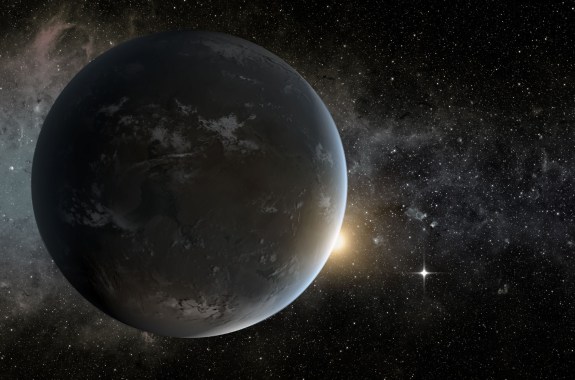
36:35
Gripping Science Tales Need Not Be Science Fiction
How can scientists tell compelling stories without hyping or distorting the science?
9:34
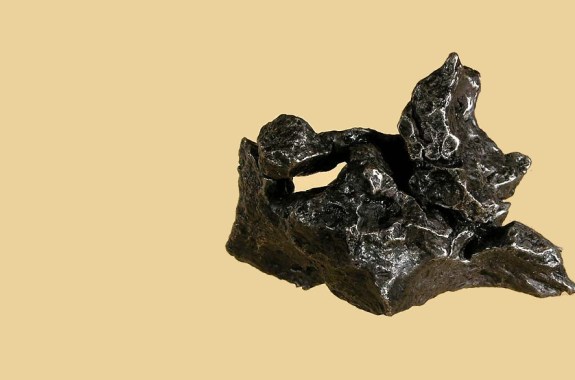
Studying Rocks Found on Earth for Clues About Space
We’ll take a tour of the Center for Meteorite Studies, and learn how meteorites can teach us about the history of the solar system.

12:01
For Babies, It’s Better to Like What I Like
How green beans, graham crackers, and puppets can give insight into the development of moral behavior.
17:25
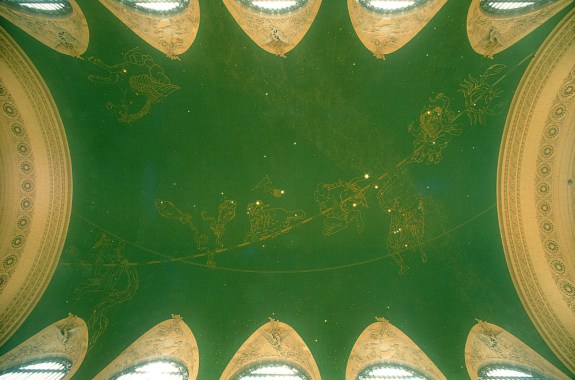
Grand Central: An Engine of Scientific Innovation
Standard time zones and electric trains were both pioneered at New York’s Grand Central Terminal.
16:37
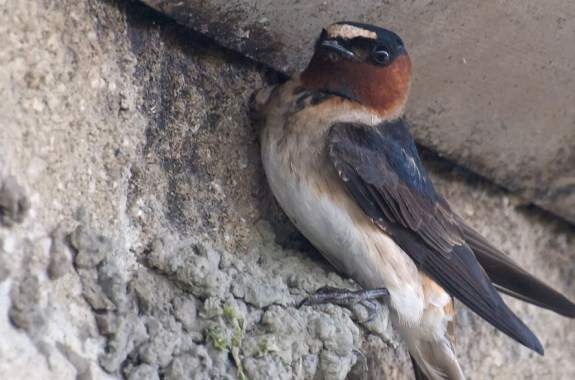
Birds Evolve Shorter Wings to Escape Traffic Crush
Cliff swallows with shorter wings appear better suited to avoid becoming roadkill.
29:13
Scientists Search for Gulf War Illness Answers
More than 20 years later, many Gulf War veterans still suffer from an array of unexplained ailments.
16:24
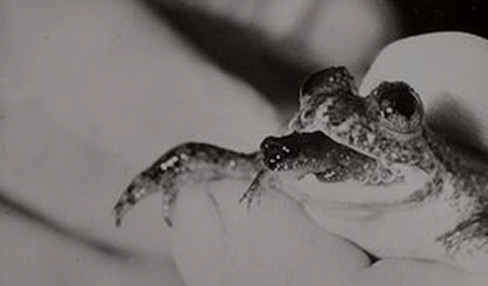
Project Seeks to Bring Extinct Species Back to Life
Michael Archer, leader of the “Lazarus Project,” describes early efforts to bring a frog species back from extinction.
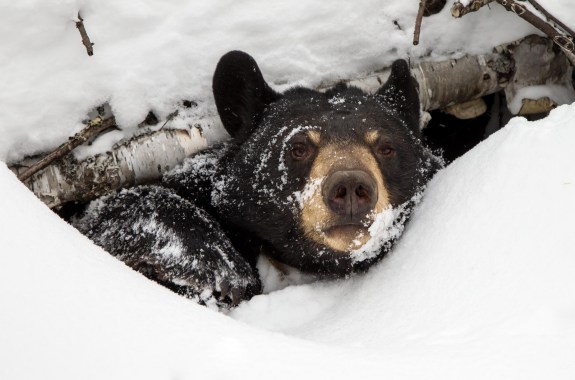
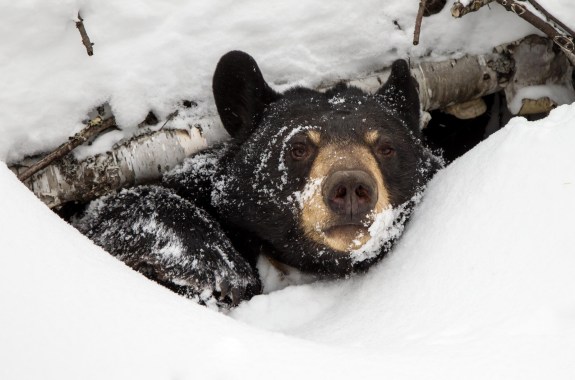
Black Bear for the Win
Jim Stroner’s shot of a bear emerging from its den wins our 2013 Winter Nature Photo Contest.

12:16
Can Just One Concussion Change the Brain?
A single concussion may cause brain damage, but it remains difficult to diagnose these injuries.
7:21
Arming Fat Cells to Fight Brain Cancer
Researchers are investigating ways to turn fat cells into Trojan horses to fight brain cancer.
21:35
Improving Healthcare, One Search at a Time
By combing through 100 million search queries, researchers detected a previously unknown interaction between two commonly prescribed drugs.
5:31
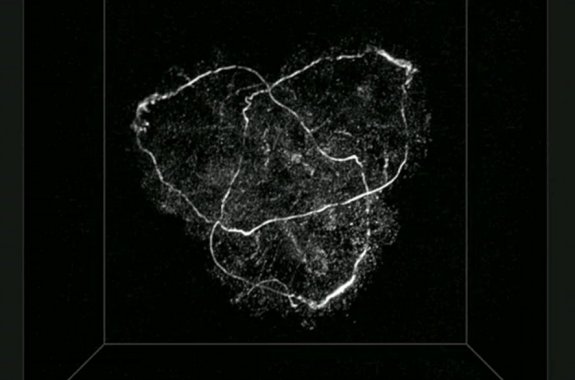
Physicists Tie Water Into Knots
If you thought a smoke ring was fancy, check out these fluid knots.
12:23
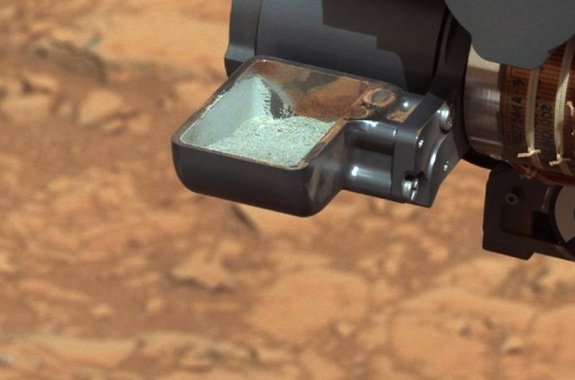
Curiosity Hits Paydirt: New Clues to Life on Mars
Microbes may once have thrived in a freshwater lake on Mars, according to clues in an ancient rock.
17:38
‘Bones’ Inspires a New Generation of Crime Fighters
Forensic anthropologist Kathy Reichs chats about “Code,” her new crime novel for young adults.
17:19
And the Award for Best Picture Goes To…
See who took first place in SciFri’s Winter Nature Photo Contest.
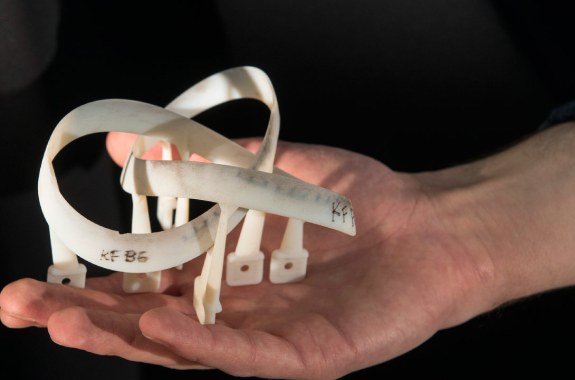
Tying Water in a Knot
These fluid knots are like smoke rings–but made of water and shaped like a pretzel instead of a donut.
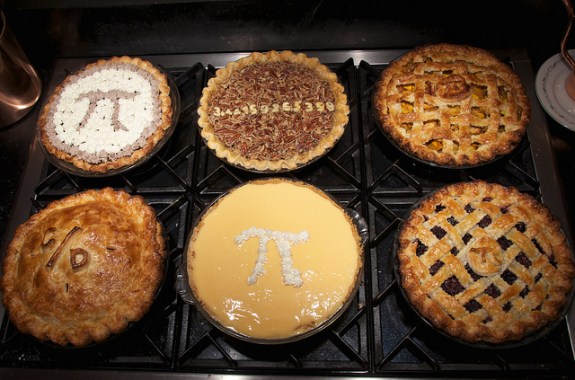
Pi Day Mashup
It’s Pi Day (and Einstein’s birthday). Celebrate with this mix of tributes to the telltale Greek letter that symbolizes that endless number.
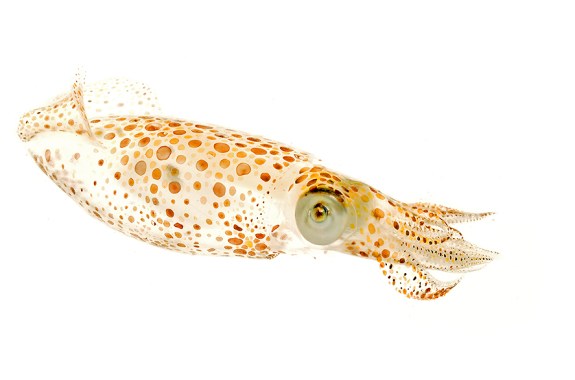
Wildlife Portraits by Our Photo Contest Judge
Clay Bolt, co-founder of the Meet Your Neighbours photo project, shares some of his shots.
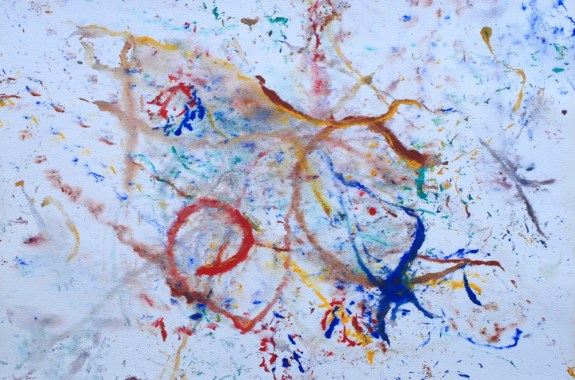
Painting by Insects
For a unique artistic style, there’s nothing like an insect’s feet to get the job done.