On Today's Podcast
What was life like for Tyranossaurus rex?
T. rex may be the most famous prehistoric predator, but their life wasn’t always bone-snapping chomps and food chain scaremongering.
Listen NowOctober 23, 2026
CRISPR pioneer Jennifer Doudna discusses the evolution of gene-editing technology and what it takes to be a good scientist. Timekeepers around the world voted to stop using leap seconds, but what does that mean for us? Plus, how "problem bears" help test engineers evaluate consumer products, author Kazuo Ishiguro on emotional truth in our age of AI, and the science of apple varieties.

What an mRNA melanoma vaccine may mean for cancer treatment
Moderna and Merck say an mRNA vaccine reduced melanoma recurrence in a clinical trial. Could this usher in a new era of cancer treatment?
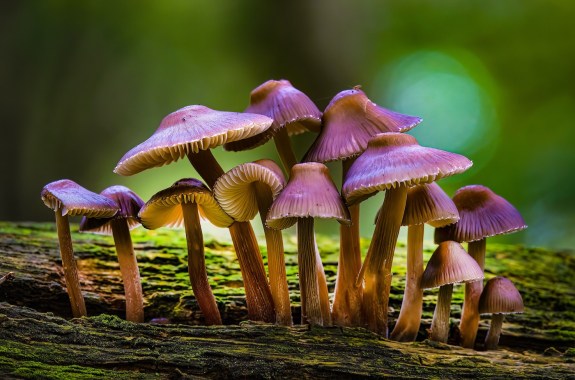
Why it’s so hard to tell the age of a fungus
One of the world’s largest organisms is an Oregon fungus thought to be over 8,000 years old. But what does age mean to a fungus, anyway?
The power of the stories we tell about the ocean
The ocean is in trouble. But the sea has a hold on us, and the stories we tell about it are helping turn the tide.
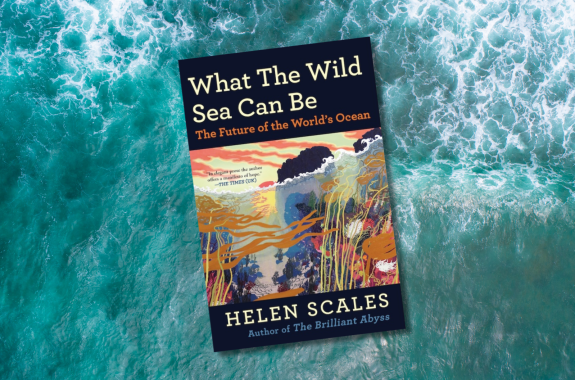
25,000 trilobites and the dizzying biodiversity of the ancient ocean
In “What the Wild Sea Can Be,” a snapshot of plankton and trilobites from eons past hints at the scale of the ocean’s existence.
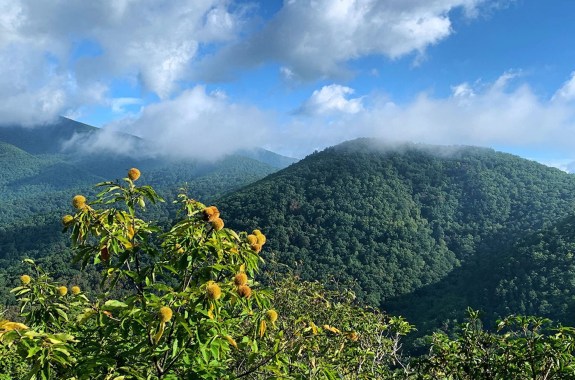
Using genetics to restore the American chestnut
In a conversation from February, how genetic research could speed up the restoration of the American chestnut tree.
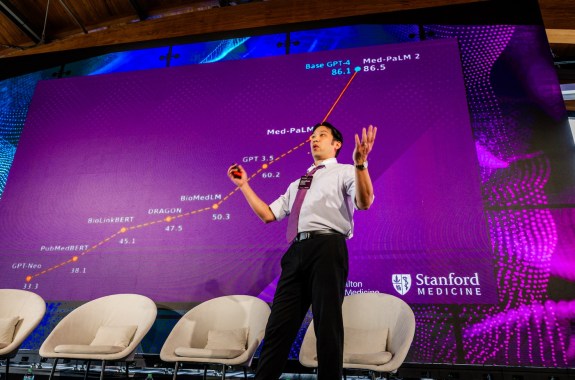
AI is everywhere in healthcare now. Doctors are conflicted
Medical AI tools are transcribing patient visits, responding to doctors’ questions, and analyzing scans. What are the benefits—and the risks?
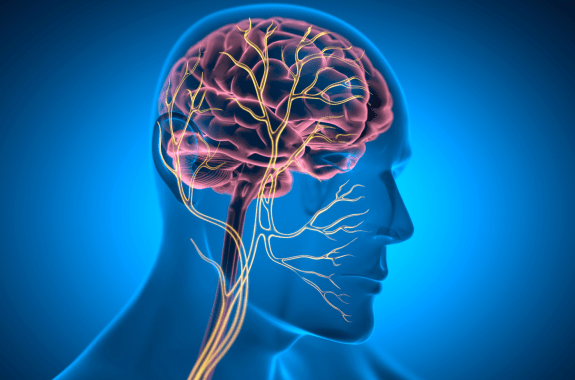
Is there science behind the ‘nervous system reset’?
In March 2026, we explored the science behind the much-hyped idea that you can “reset” your nervous system by stimulating the vagus nerve.
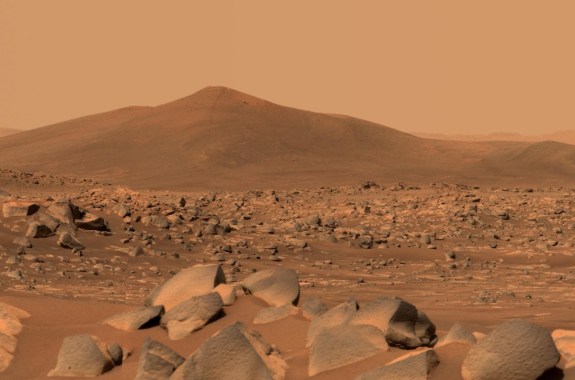
What should astronauts do first when they reach Mars?
Our January 2026 conversation about the goals for a crewed mission to Mars. Plus, updates on NASA’s mission to survey the asteroid Psyche.
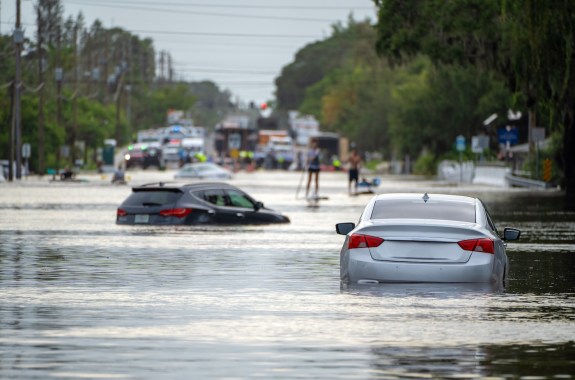
How much worse was that storm because of climate change?
We know that climate change causes weather to be more extreme, more often. Attribution science tries to nail down exactly by how much.
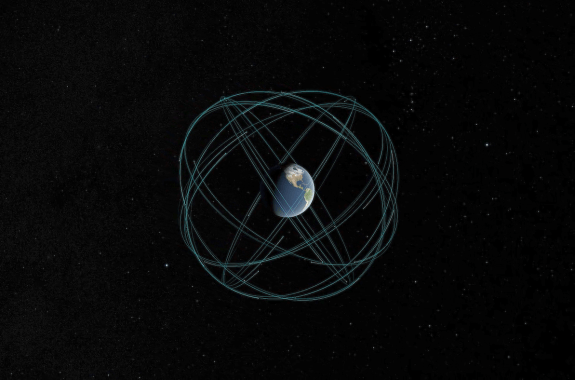
How GPS shaped our world
How GPS transformed from a niche military technology to one we rely on every day.
Could we live in a dinosaur world?
If you got sucked back to dino times, you might get snacked on by a giant meat-eater. But what other dangers would you face?
What are the mysterious ‘little red dots’ in images of space?
Little red dots appear all over images from the James Webb Space Telescope. They may belong to a new cosmic category called black hole stars.
The ancient Roman doctrine guiding modern environmental fights
In an effort to protect natural resources, environmentalists and tribes are using state-level public trust doctrines to fight development.
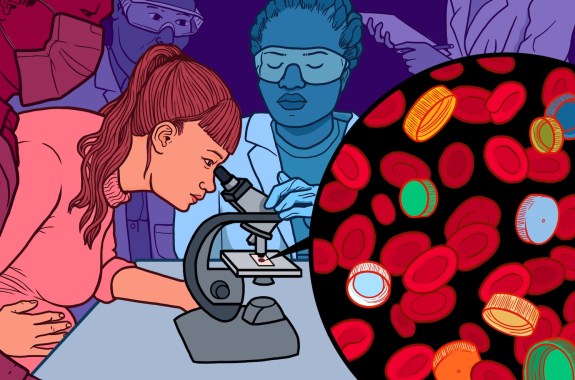
How do you figure out if microplastics are affecting pregnancy?
Microplastic researchers are trying to find answers about pressing health concerns while navigating the challenges of a new field of science.
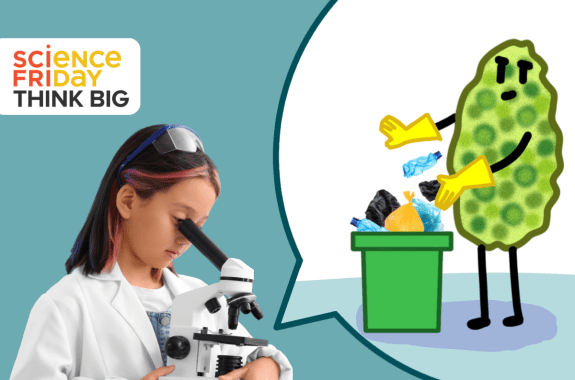
Can microplastic-loving algae clean up water pollution?
An unexpected discovery laid the path for using genetically engineered algae to remove microplastics from water.
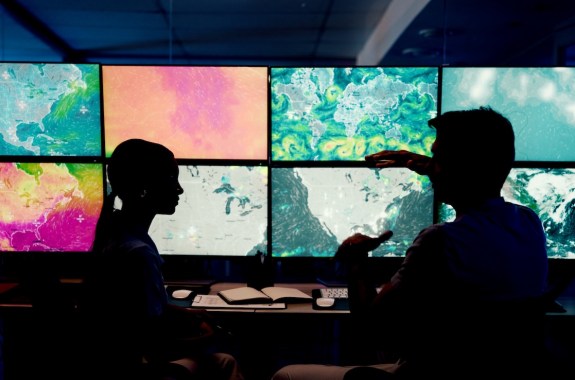
Making a case for physicists to join climate research
Physics and climate science use the same basic principles, but institutions often keep them separate. Morgan O’Neill is trying to change that.
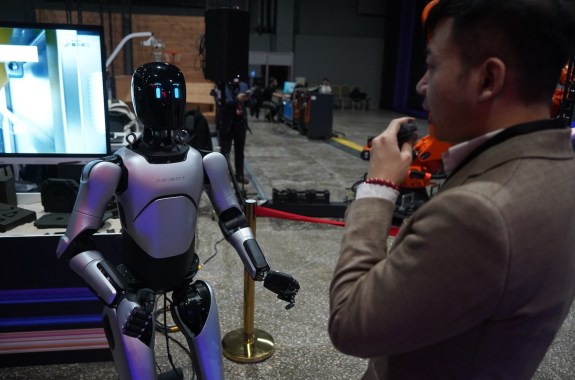
Creating ‘world models’ for robots + An AI math shakeup
How do you create a model to help AI understand the physical world? Plus, the latest AI-driven advancements in math.
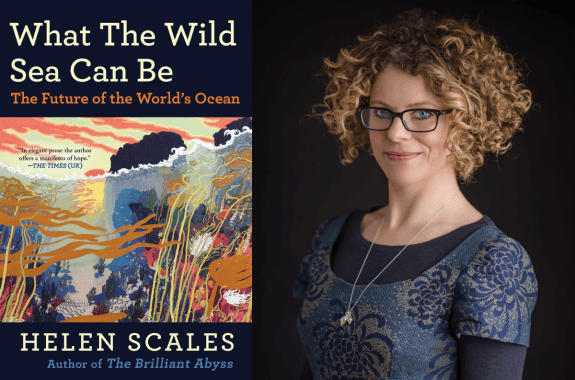
Dive into the deep with marine biologist Helen Scales
On September 25, SciFri Book Club will discuss Scales’s book, “What the Wild Sea Can Be,” as we celebrate the ocean’s living wonders.

What can moments of lucidity teach us about Alzheimer’s?
Researchers are looking into what triggers lucid episodes in Alzheimer’s patients, and what they tell us about caring for people with dementia.
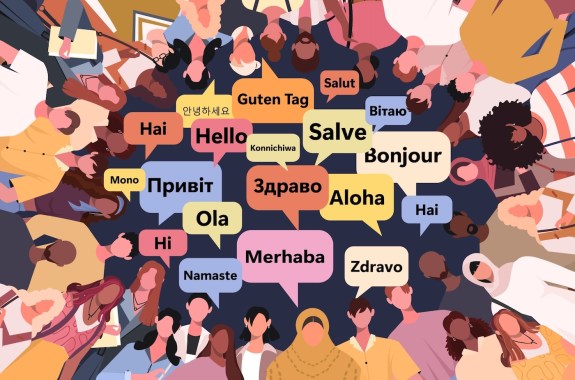
Researchers identify a ‘golden age’ of language diversity
At the peak of linguistic diversity, humans may have spoken up to 10 times as many languages as we do today.