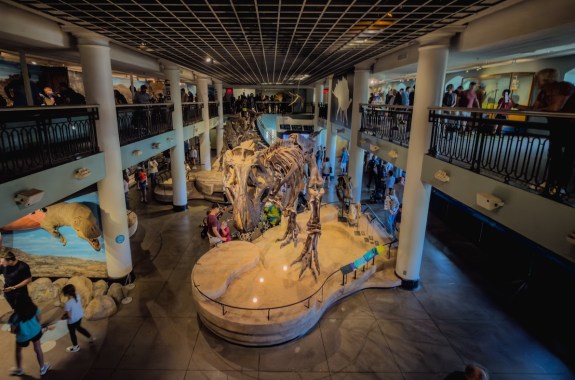
Are natural history museums going extinct?
The country’s oldest natural history museum, in Philadelphia, has closed its doors to visitors. Will other museums follow?
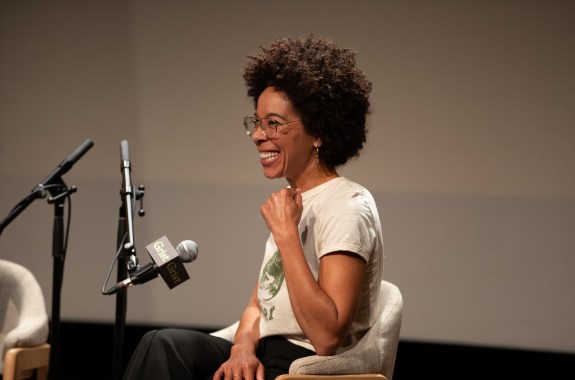
Ayana Elizabeth Johnson on making climate action cool
Climate leader Ayana Elizabeth Johnson reflects on this moment of the climate movement and why climate action should be fun.
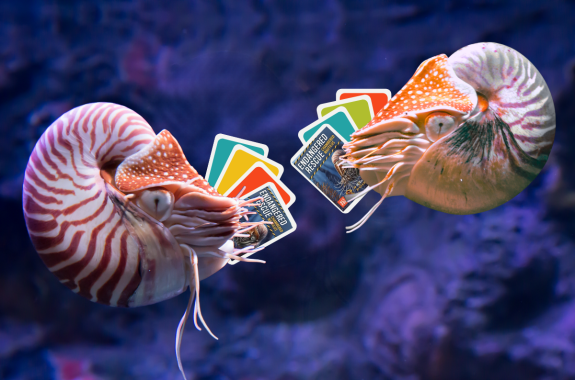
Play this game to build critical thinking and science literacy
This facilitator’s guide for “Endangered Rescue: Chambered Nautilus” offers expert tips for sharing escape room-style games with learners.
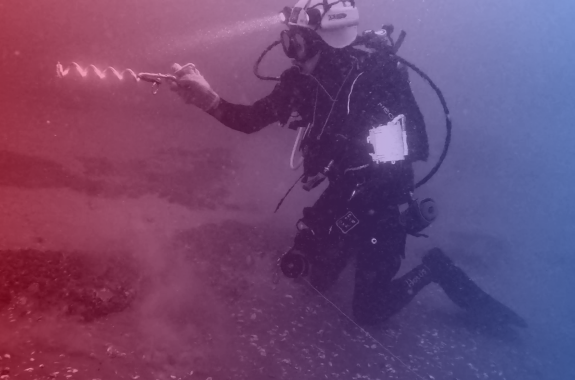
Underwater archeology reveals clues about Ice Age humans
At the end of the last ice age, glacial melt inundated human settlements near shorelines. Underwater archeologists are uncovering their artifacts.
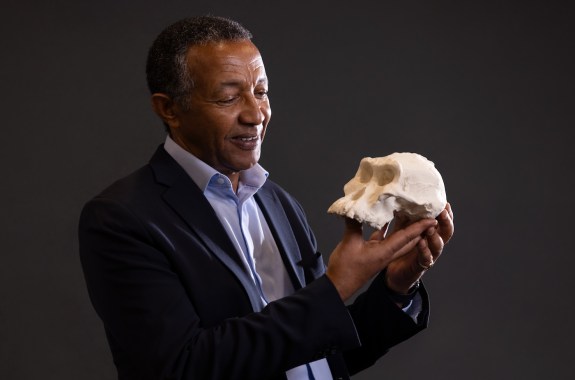
Telling the tale of human origins, one fossil tooth at a time
Yohannes Haile-Selassie has a talent for spotting fossils, and has discovered ancestors on several branches of the human family tree.
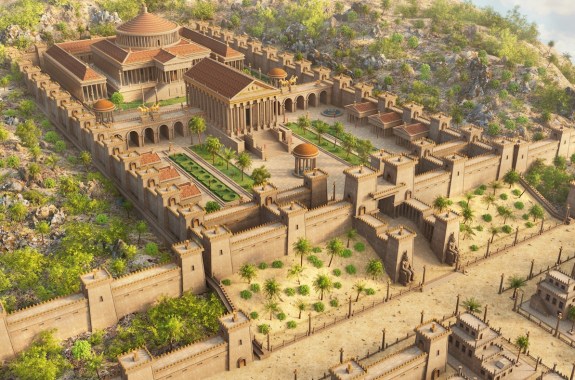
Did the fire at the Library of Alexandria set humanity back?
Author Sam Kean explores our fascination with lost knowledge in his new book, “The Museum of Lost Things.”
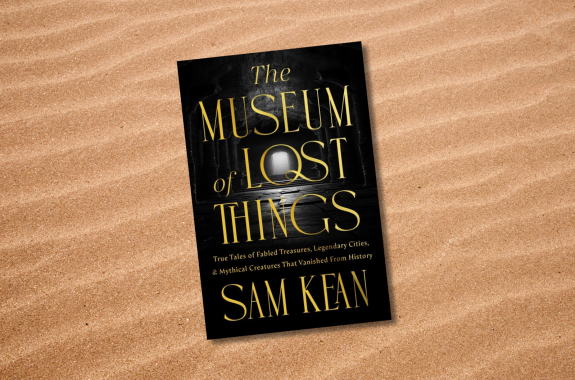
How Caesar’s civil war led to a devastating loss of knowledge
In “The Museum of Lost Things,” a beheading and a late-night visitor lead to the devastating fire at the Library of Alexandria.

What would a Jurassic forest sound like?
Using fossil records and AI tools, scientists reconstructed a soundscape of a Jurassic forest, complete with ancient katydid calls.
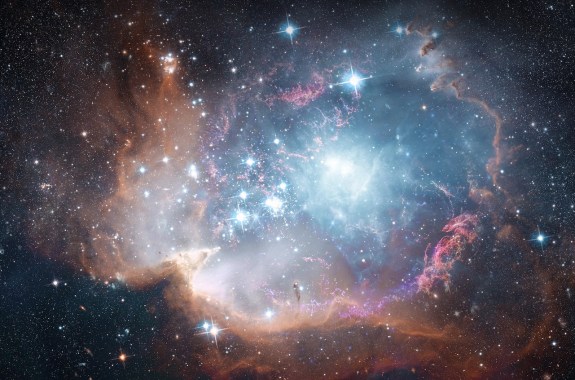
Why physics and philosophy need each other
Physicist Carlo Rovelli urges conversations between physics and philosophy in a search for answers about the universe.
Could we live in a dinosaur world?
If you got sucked back to dino times, you might get snacked on by a giant meat-eater. But what other dangers would you face?