
Is a shorter course of antibiotics OK? + Genetic risk of fibromyalgia
Shorter courses of antibiotics may reduce antimicrobial resistance. Plus, a new study finds a group of genes associated with fibromyalgia.

Why cannabis’s health effects are so hard to study
Cannabis seems to be everywhere, in many forms. We’re learning more about its effect on teenage brains and its usefulness as a therapeutic.
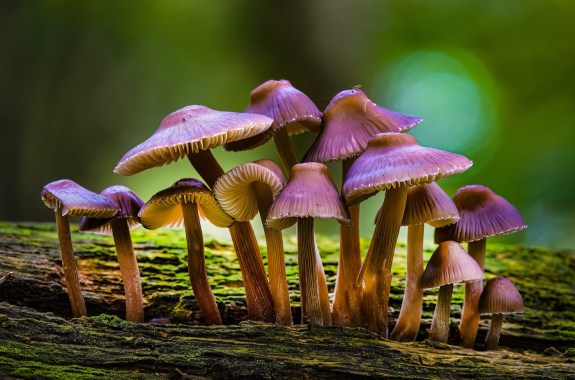
Why it’s so hard to tell the age of a fungus
One of the world’s largest organisms is an Oregon fungus thought to be over 8,000 years old. But what does age mean to a fungus, anyway?
Can microplastic-loving algae clean up water pollution?
An unexpected discovery laid the path for using genetically engineered algae to remove microplastics from water.
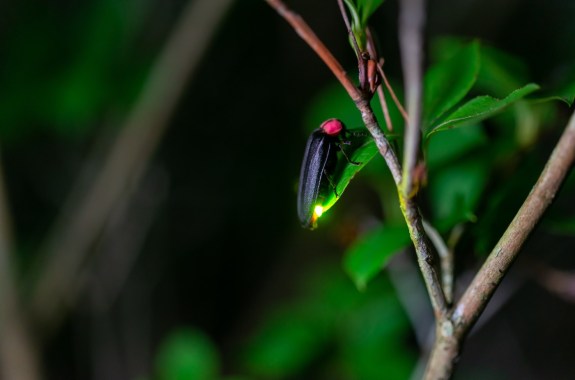
How do you find a ‘lost’ species?
A new journal documents species “lost to science.” Plus, a project to locate lost firefly species in the U.S. and Canada.
Why this lab studies the speed of bug pee and other curiosities
What do the hydrodynamics of insect pee, $1 hearing aids, and squid robots have in common? A lab organized around curiosity, not disciplines.
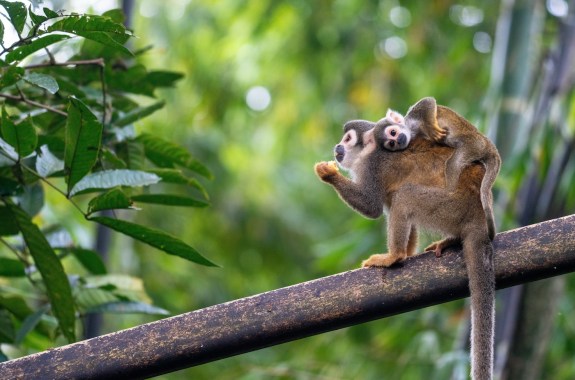
Some primates undergo even more extreme childbirth than humans
Scientists have long thought extreme childbirth was unique to humans. But some other primates appear to face similar anatomical challenges.
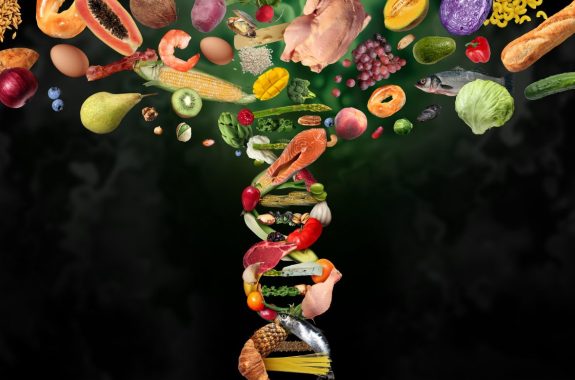
What do people eat? Plant and animal DNA in sewage provide clues
DNA signatures of plant and animal species remain behind even after they’ve been eaten, digested, excreted, and flushed down the toilet.
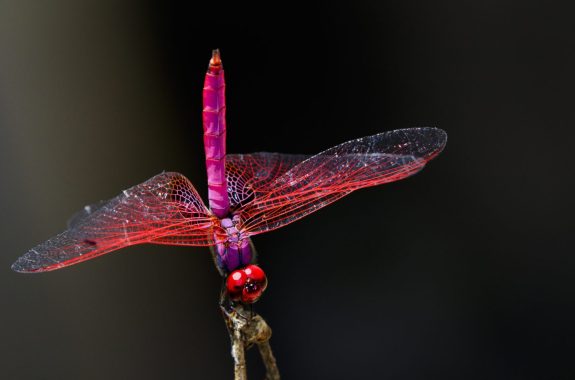
Dragonflies fly like fighter jets + Lake flies that dive like subs
What do a fighter jet and a dragonfly have in common? Plus, how lake fly larvae in Lake Malawi dive 600 feet deep without imploding.
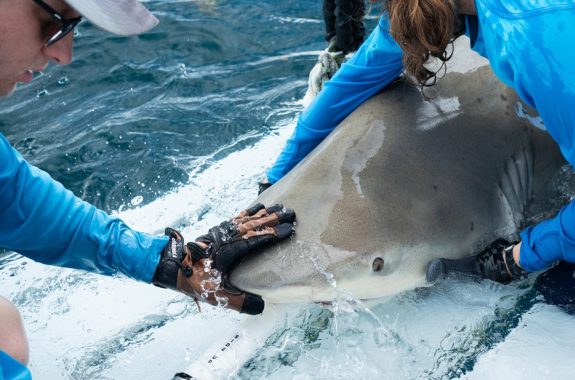
Tracking shark populations, one shark at a time
A Florida research team catches and releases about 600 sharks a year to monitor their populations and study the health of marine ecosystems.