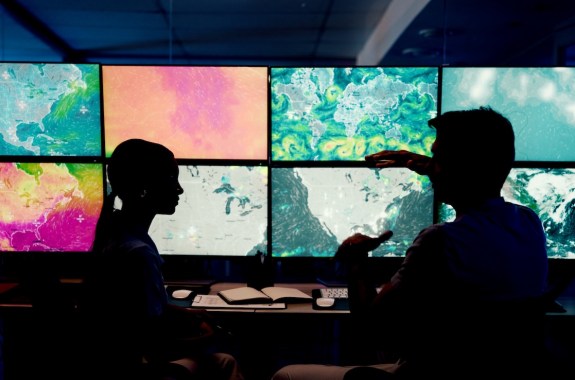
Making a case for physicists to join climate research
Physics and climate science use the same basic principles, but institutions often keep them separate. Morgan O’Neill is trying to change that.
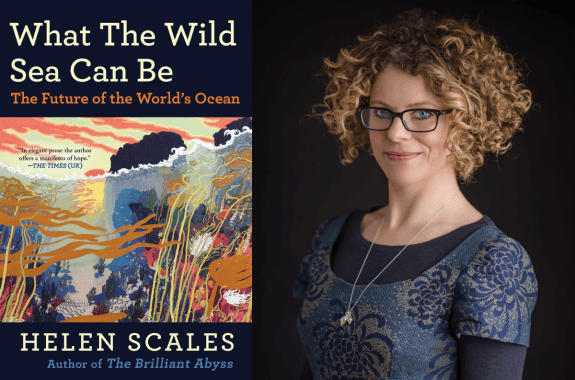
Dive into the deep with marine biologist Helen Scales
On September 25, SciFri Book Club will discuss Scales’s book, “What the Wild Sea Can Be,” as we celebrate the ocean’s living wonders.
12:11
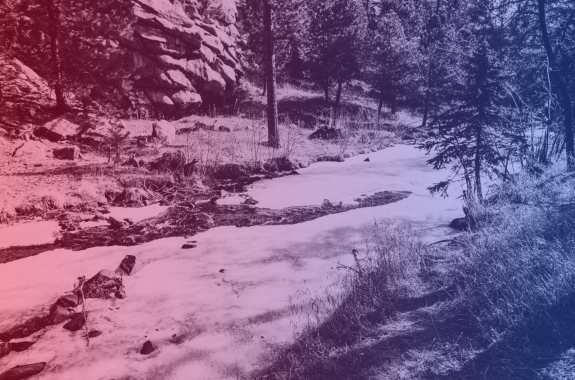
Colorado’s snow drought deals a major blow to recreation
A record-breaking snow drought in Colorado jeopardizes skiing, fishing, and rafting. Can economies that rely on outdoor recreation adjust?

The reality of living with extreme heat in India
Extreme heat is hitting India hard. One physician is trying to understand the health impacts, and help Indians prepare for future heat waves.
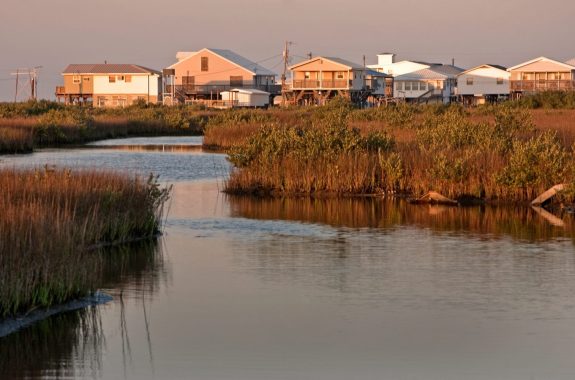
Why a paper about relocating coastal communities hit a nerve
In a recent analysis, scientists argued that New Orleans should relocate. But planning for a city’s future is about much more than geography.
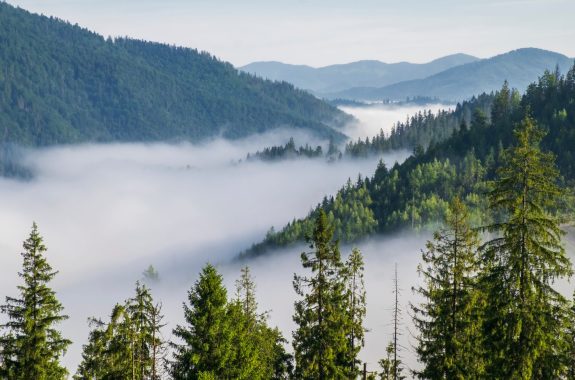
What lives in the fog? Pollution-eating bacteria
While fog itself is not alive, researchers found that it can contain an ecosystem, including bacteria that eat pollutants.
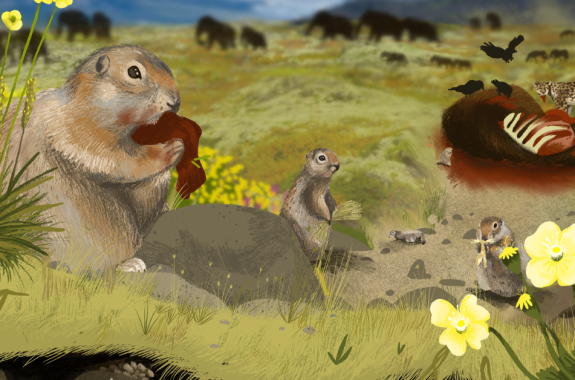
Squirrel poop drops Ice Age clues + The neuroscience of laughter
Ancient squirrel poop provides a snapshot of life during the last ice age. And, how different types of laughter originate in the brain.
17:37
Scientists retire ‘implausible’ worst-case climate scenario
Scientists say one extreme climate change scenario isn’t realistic. Plus, a journalist’s quest to discover new insect species in New York.
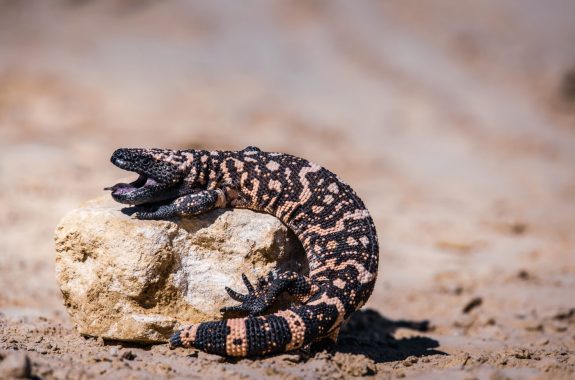
Meet the drug developer taking on wildlife diseases
Chemist Tim Cernak has a wild to-do list: Cure sea turtle cancer. Save frogs from fungal diseases. Take on avian flu.
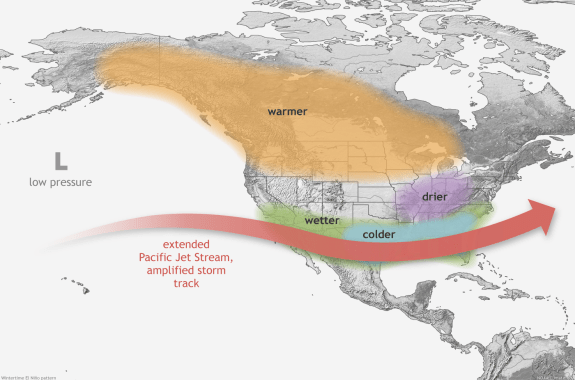
How El Niño shapes the world’s weather trends
The cycle of El Niño and La Niña is a powerful shaper of weather trends worldwide. What could a “super” El Niño bring?