
What would a Jurassic forest sound like?
Using fossil records and AI tools, scientists reconstructed a soundscape of a Jurassic forest, complete with ancient katydid calls.

Black bears are moving into the neighborhood. How do we coexist?
As black bears return to their historic ranges across the U.S., human encounters are increasing. How can bears and people live in harmony?

Why cannabis’s health effects are so hard to study
Cannabis seems to be everywhere, in many forms. We’re learning more about its effect on teenage brains and its usefulness as a therapeutic.
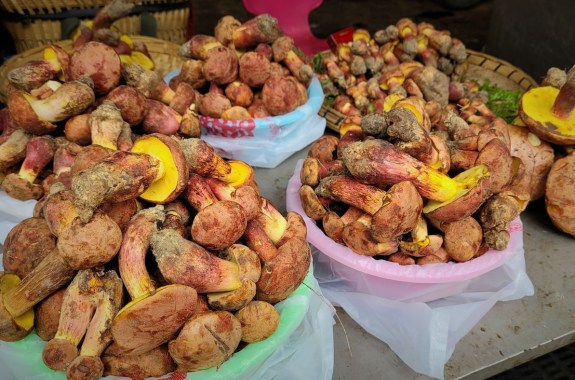
The mushroom that causes hallucinations of ‘tiny people’
Scientists are trying to decode the hallucinogenic properties of a mushroom that consistently makes people see miniature humans.
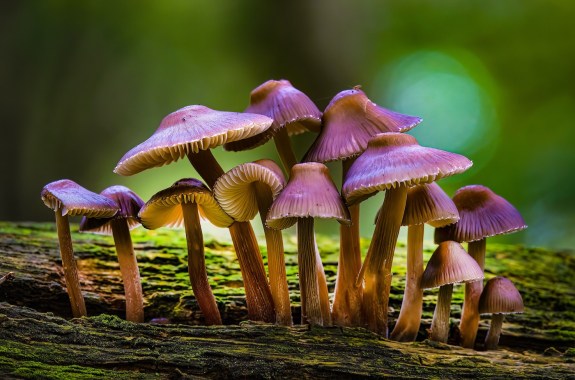
Why it’s so hard to tell the age of a fungus
One of the world’s largest organisms is an Oregon fungus thought to be over 8,000 years old. But what does age mean to a fungus, anyway?
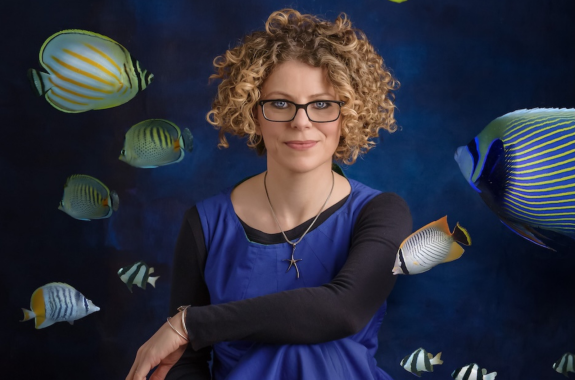
The power of the stories we tell about the ocean
The ocean is in trouble. But the sea has a hold on us, and the stories we tell about it are helping turn the tide.
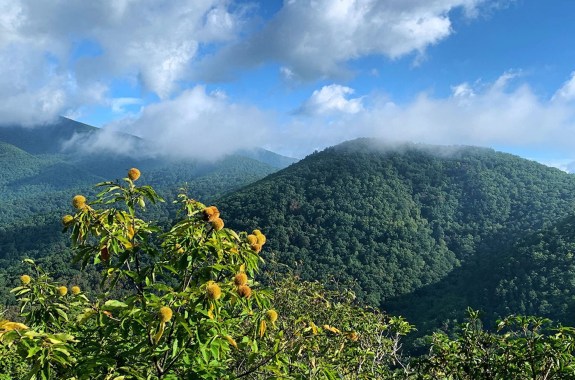
Using genetics to restore the American chestnut
In a conversation from February, how genetic research could speed up the restoration of the American chestnut tree.
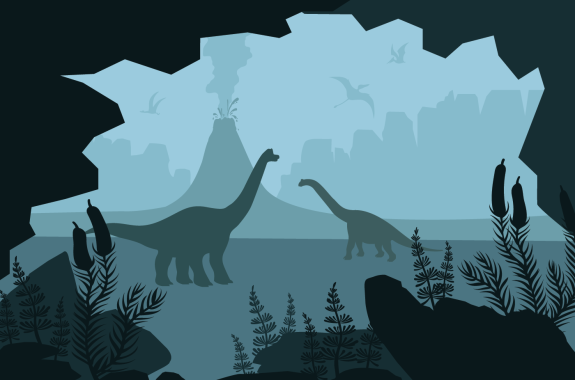
Could we live in a dinosaur world?
If you got sucked back to dino times, you might get snacked on by a giant meat-eater. But what other dangers would you face?
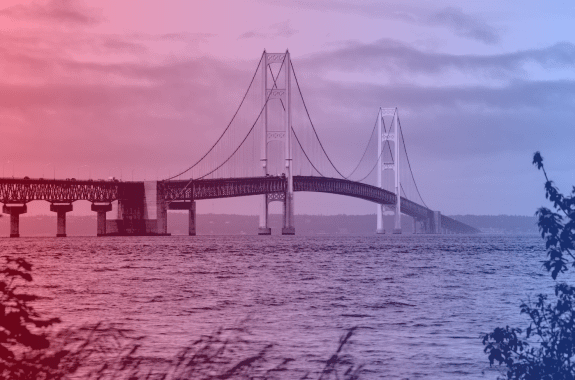
The ancient Roman doctrine guiding modern environmental fights
In an effort to protect natural resources, environmentalists and tribes are using state-level public trust doctrines to fight development.
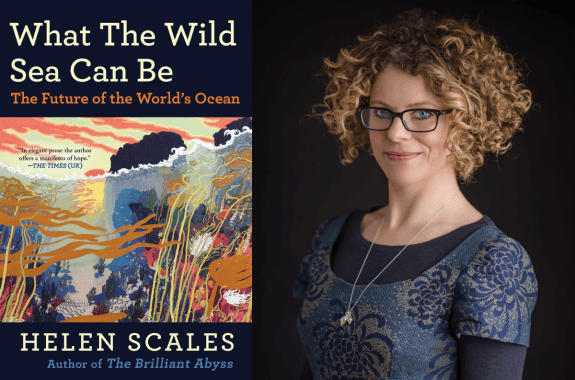
Dive into the deep with marine biologist Helen Scales
On September 25, SciFri Book Club will discuss Scales’s book, “What the Wild Sea Can Be,” as we celebrate the ocean’s living wonders.