Audio
Listen to Science Friday live on Fridays, or listen to our daily podcast
BROADCASTS
Listen to the full 2-hour Science Friday broadcast, from last week or any week you like.
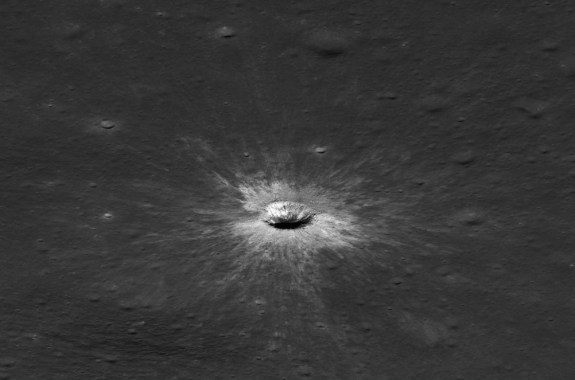
Examining a new lunar crater + searching for signs of alien technology
Scientists are learning more about a recent impact crater on the moon. Plus, hunting for extraterrestrial life through technological clues.

Did the COVID pandemic stunt kids’ development?
The pandemic interrupted the lives of millions of kids. Researchers are studying the impact on their social and emotional development.

How do concussions affect the brain?
The latest scientific understanding of concussions is upending treatment recommendations for recovery.

Ayana Elizabeth Johnson on making climate action cool
Climate leader Ayana Elizabeth Johnson reflects on this moment of the climate movement and why climate action should be fun.

Are new treatments for celiac disease on the horizon?
More than 3 million Americans suffer from celiac disease, an illness with no current treatment. Is help on the way?
Everyone is calling for safer AI. So what does that mean?
Concerns about AI safety are growing. Two researchers explain what “alignment” means, and what questions remain.
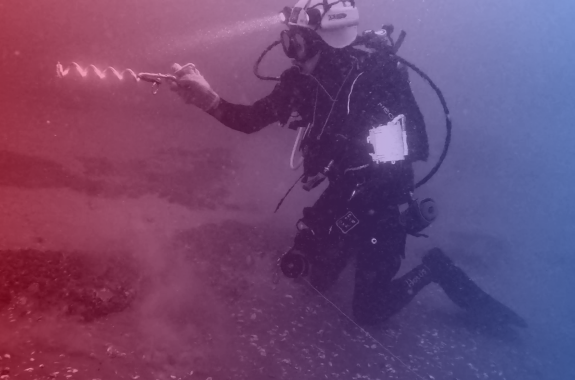
Underwater archeology reveals clues about Ice Age humans
At the end of the last ice age, glacial melt inundated human settlements near shorelines. Underwater archeologists are uncovering their artifacts.
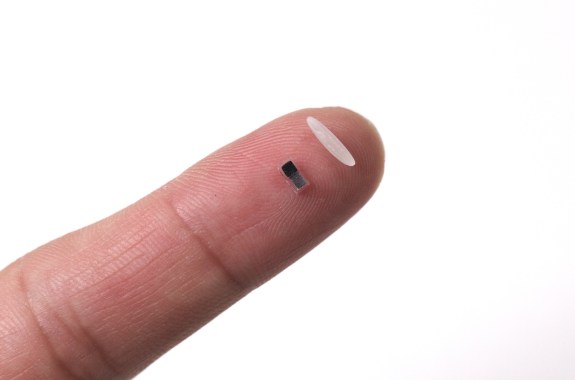
Bringing hard electronics into soft and squishy bodies
Inventor John Rogers bridges the natural and artificial worlds with flexible, biocompatible electronics.
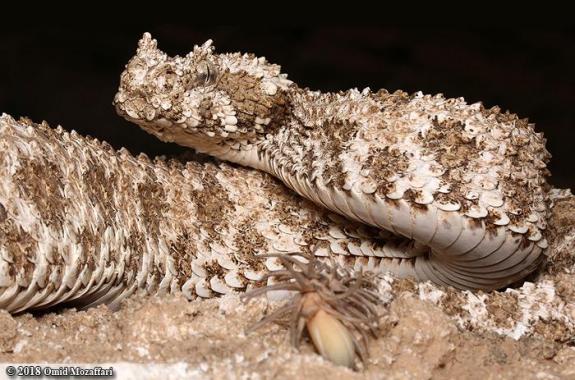
The inner secrets of a snake with a spider on its tail
The spider-tailed horned viper uses an unusual appendage to lure in birds. Researchers looked inside the spidery tail.
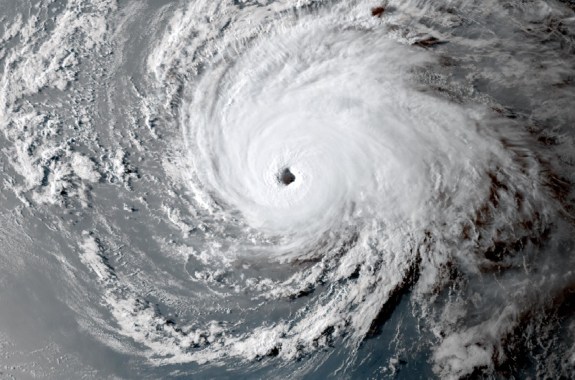
Climate change is increasing hurricane risk for Hawaiʻi
Hawaiʻi has generally been safe from the worst effects of hurricanes. But this year two hurricanes battered the islands in a matter of weeks.