On Today's Podcast
Tracking shark populations, one shark at a time
A Florida research team catches and releases about 600 sharks a year to monitor their populations and study the health of marine ecosystems.
Listen NowJuly 24, 2026
Archeologists are piecing together the lives of ordinary Pompeii residents, from a fish sauce entrepreneur to an enterprising businesswoman. Plus, Andrea Ghez developed a way to peer through dust clouds and observe stars orbiting the supermassive black hole at the center of the Milky Way. And, what do we know, and not know, about SSRI antidepressant withdrawal?

7:25
Beware Of Fake Pop-Up COVID Sites
A regulation loophole allows pop-up testing sites to proliferate with little regulation and oversight.

Read ‘The Sirens Of Mars’ With The SciFri Book Club
Sarah Stewart Johnson explores humanity’s fascination with the Red Planet in ‘The Sirens of Mars.’ We’ll read it together this spring.

The Importance Of Gathering Samples From Mars Before Humans Arrive
Scientist Sarah Stewart Johnson makes the case for why we should do as much science as we can on Mars—before humans step foot on the planet.

12:15
Scientists Are Working On A Universal COVID Vaccine
Making a vaccine for all COVID-19 variants requires a different approach. Plus Tonga’s volcano, and other stories.

5:44
Saliva Sharing Might Help Kids Identify Their Closest Relationships
A new study shows that small children use subtle saliva cues, like sharing utensils, to determine those closest to them.
7:28
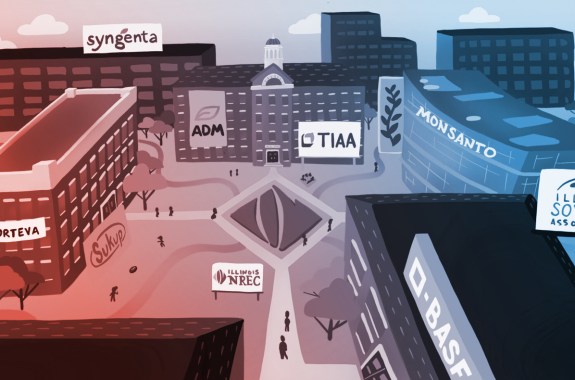
Big Agriculture Schools Face Increasing Donor Conflicts Of Interest
Harvest Public Media and Investigate Midwest find corporations have given colleges at least $170 million in the last decade. How does that influence their research?
12:12
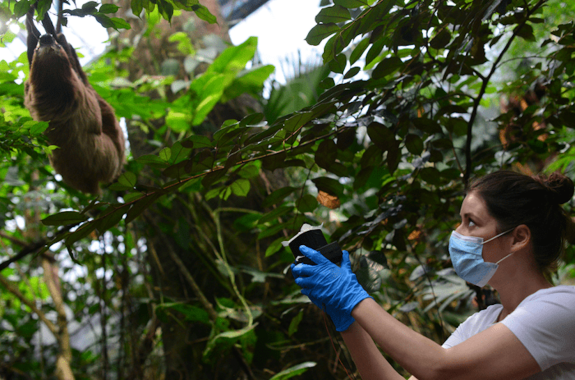
Identifying Animals Through Airborne DNA
Ecologists were able to successfully identify animals in a zoo simply by taking samples of DNA from the air.

8:49
Growing Plants—And Providing Solar Energy
Growing crops under solar panels is an efficient way to approach a new era of agriculture.
12:57
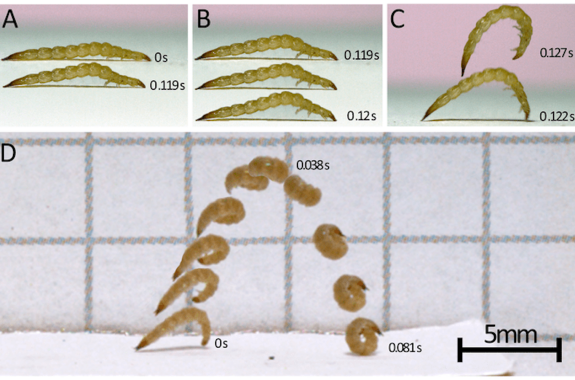
These Beetles Go Boing
Scientists discover new jumping behavior in a common beetle species.

4:35
This is Your Brain on Wordle
A social psychologist explains why the popular word game is so addictive.

17:16
Pigeons Are More Than Pests
The humble city pigeon has a history with humans, one that echoes our lives with cats and dogs.
12:40
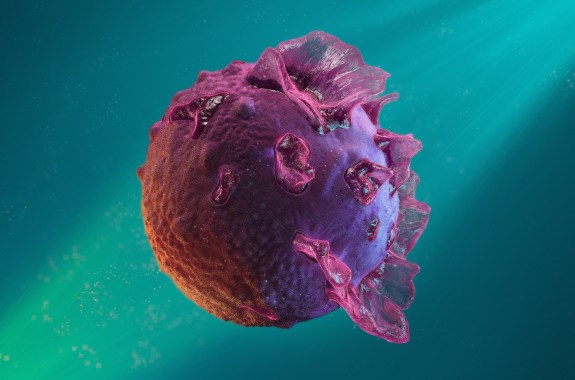
New Research Links Epstein-Barr Virus to Multiple Sclerosis
Research out of Harvard links the degenerative and incurable condition to an infection with the common virus that causes “kissing disease.”
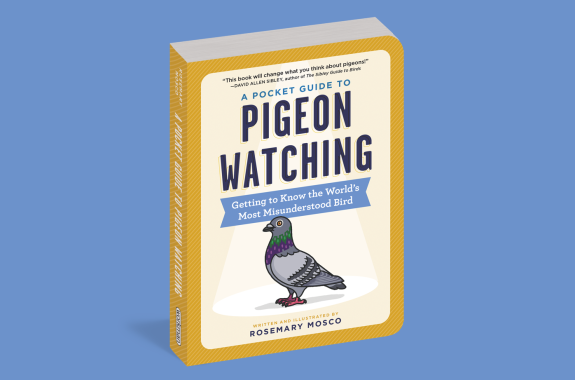
Pigeons Are More Than Rats With Wings
Read an excerpt of Pocket Guide to Pigeon Watching: Getting to Know the World’s Most Misunderstood Bird by Rosemary Mosco.

Bring Your Brainy Buds To SciFri Trivia Night At Caveat NYC!
On Wednesday, February 23, join us at Caveat as SciFri Trivia Night returns to NYC.
12:16
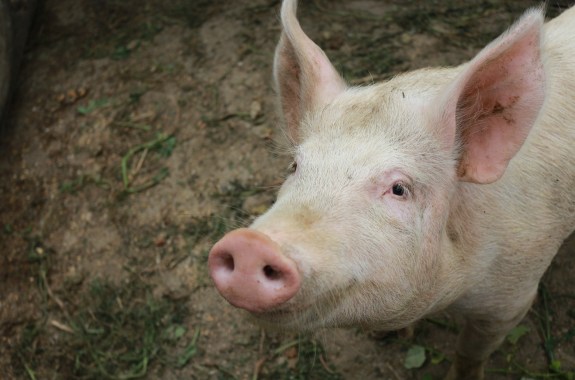
A Replacement Heart, From A Pig
Doctors report transplanting a heart from a genetically-modified pig into a human.

9:33
Ivermectin’s False Reputation Exemplifies How Misinformation Spread
The unproven drug lacks scientific backing—and even the studies that purportedly found it effective have been disputed and retracted.
7:35
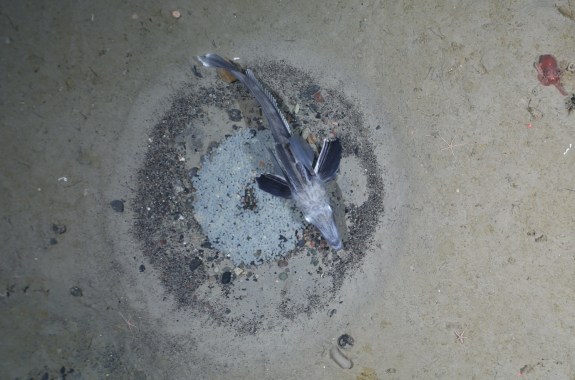
A Massive New Find Of Icefish Found Near Antarctic
The unusual family of fish have antifreeze in their veins and see-through skulls—and there’s way more of them than anyone realized.

27:41
A Debate Over How The Universe Began
While debating the origins of the universe, these mid-century researchers accidentally explained the origins of every element of matter.

2:00
The World According To Sound: Listening To Black Holes Collide
Some black holes sound like a wobbling top, while others rumble in low bass tones. Listen to them yourself, thanks to MIT professor Scott Hughes.
16:43
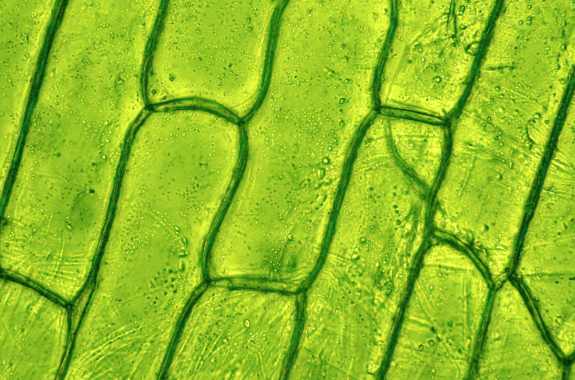
Is There A Method To Plant Mutation?
New research finds that some parts of plant genomes mutate more often—suggesting it may be time to rethink the randomness of evolution.