On Today's Podcast
Why are we changing the way we keep time?
Timekeeping scientists around the world voted to stop using leap seconds, but what does this mean for us?
Listen NowOctober 23, 2026
CRISPR pioneer Jennifer Doudna discusses the evolution of gene-editing technology and what it takes to be a good scientist. Timekeepers around the world voted to stop using leap seconds, but what does that mean for us? Plus, how "problem bears" help test engineers evaluate consumer products, author Kazuo Ishiguro on emotional truth in our age of AI, and the science of apple varieties.
7:50
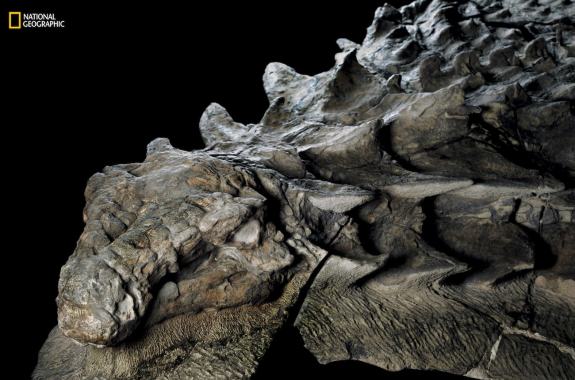
From Alberta’s Oil Sands, A Dinosaur ‘Mummy’ With Skin Intact
Plus, how is one of the most isolated islands on Earth also the most littered?

4:25
Your Airline Will See You Now
Is Delta’s new facial recognition technology a customer convenience or an invasion of privacy?
17:22
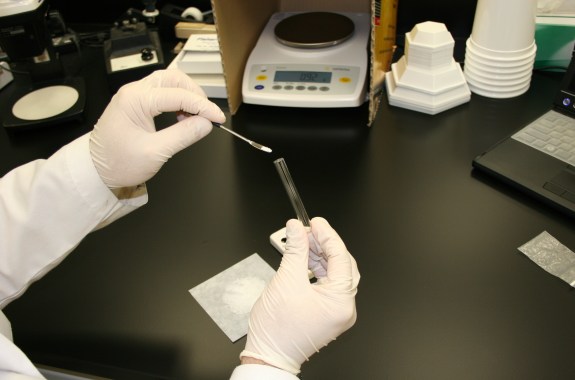
There’s Less Science In Forensic Science Than You Think
A look at efforts to improve forensics after the death of a key federal commission.

8:58
Weighing A Stockpile Of Computer Threats
When should the government alert the computer industry about software flaws that could become cyberweapons?
7:17
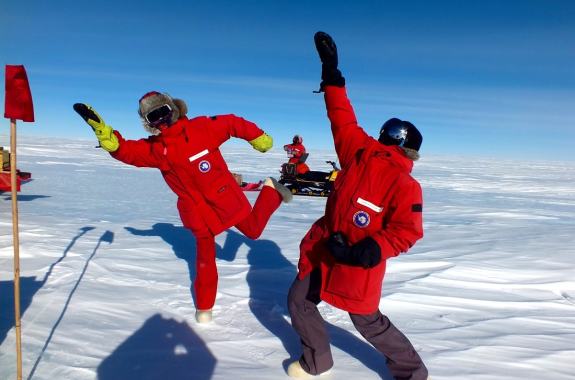
Prospecting For Martian Gold In Antarctica
On the latest episode of “Undiscovered,” we hear the story of meteorite hunter Nina Lanza, and what life’s really like in Antarctica.
17:15
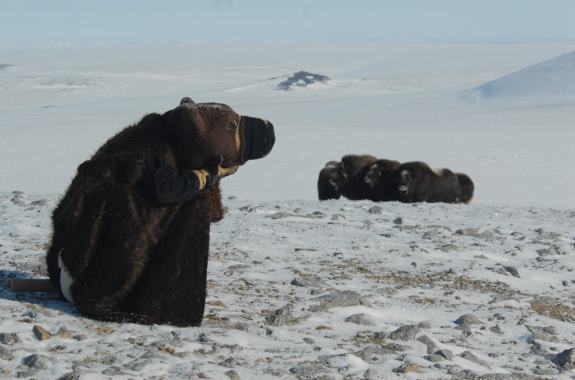
Getting Inside The Head Of A Muskox
One researcher’s game of pretend sheds light on species survival in a warming climate.
29:39
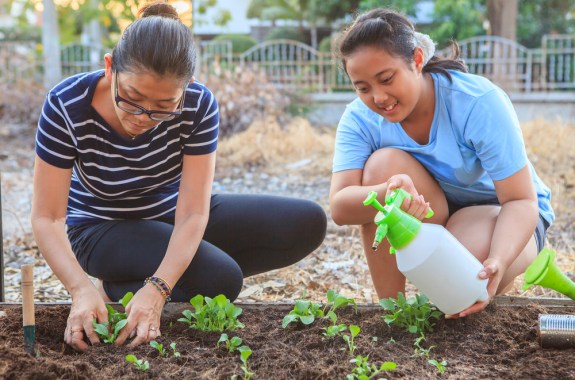
Sprucing Up Your Springtime Soils
Moldy compost? Compacted soil? Here’s some soil science to help your garden spring into shape.
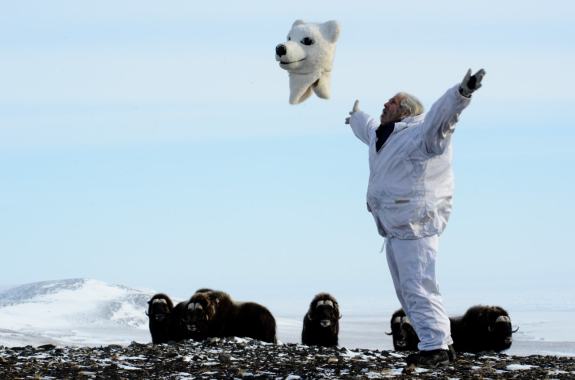
How To Study Muskox Behavior? Become The Master Of Disguise
This researcher disguises himself as the predators of muskoxen to study their reaction.
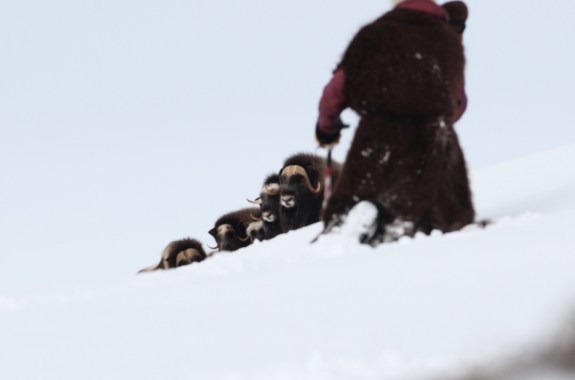
Bear In Mind The Muskox
Conservation scientist Joel Berger dresses up as a grizzly bear near musk oxen herds, to find out if male oxen make them safer from bears.
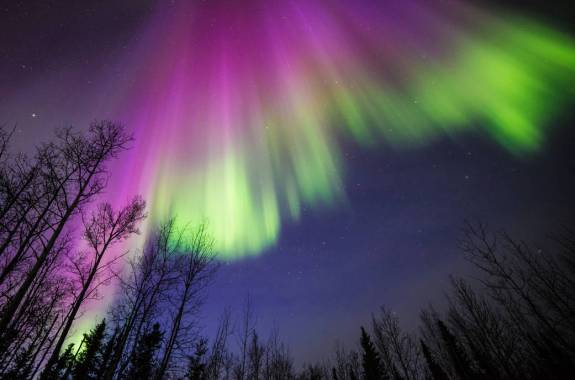
A Physicist Explains The Shimmering Science Behind Auroras
Liz MacDonald tells SciFri what causes these beautiful polar “glitter bombs.”
7:58
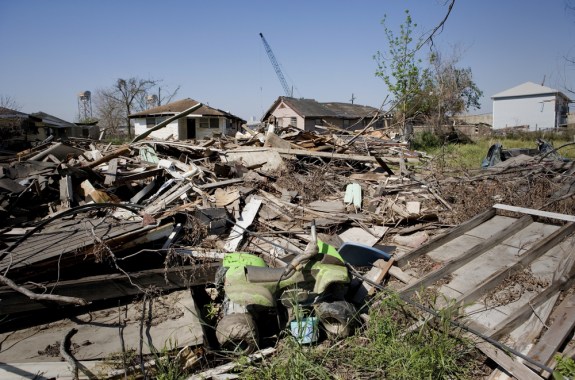
Are We Ready For A Climate Change Refugee Crisis?
Plus, the lasting impact of the BP oil spill, and how a warming Arctic is making climate change worse.
3:57
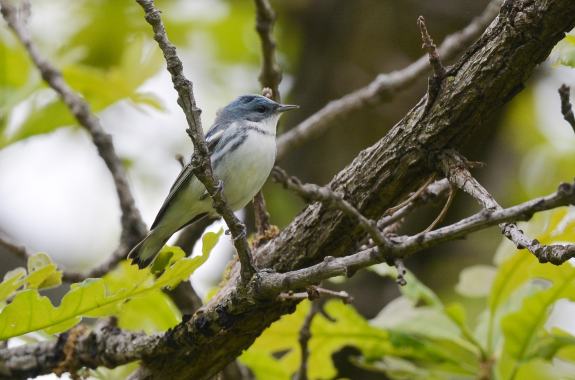
The Ups And Downs Of Bird Tracking Devices
Recently published research points to possible ill effects of putting tracking devices on the smallest songbirds.
7:49
Introducing Our New Show: Undiscovered
Science Friday has a new show! It’s called Undiscovered, and it tells the back stories of great scientific discoveries.
15:08
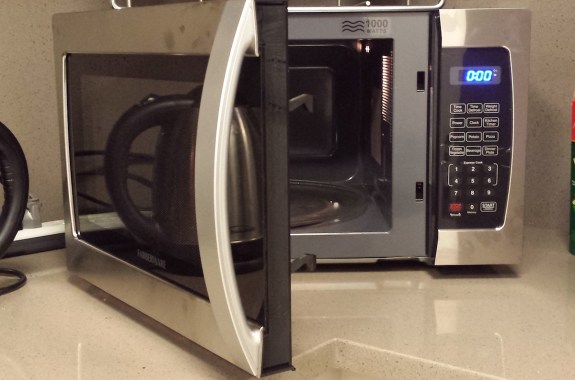
But Really, Can You Stand In Front Of The Microwave?
We’ve been nuking our food for 50 years. Why are some people still worried about their safety?
14:13
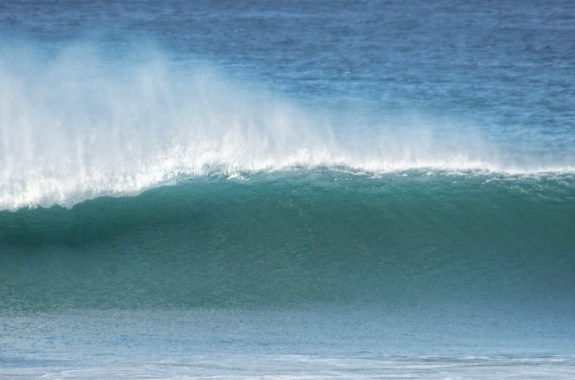
Sea Spray’s Tie To The Sky
New research explores how the ocean’s aerosols can affect the climate, from weather to cloud properties.
8:58
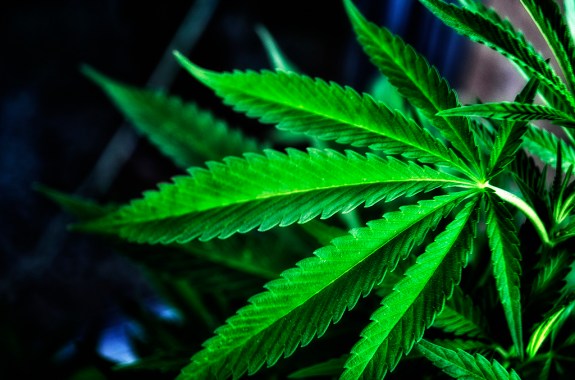
How Older Brains Could Benefit From Marijuana
The research shows promise, but there are a lot of conditions.
7:51
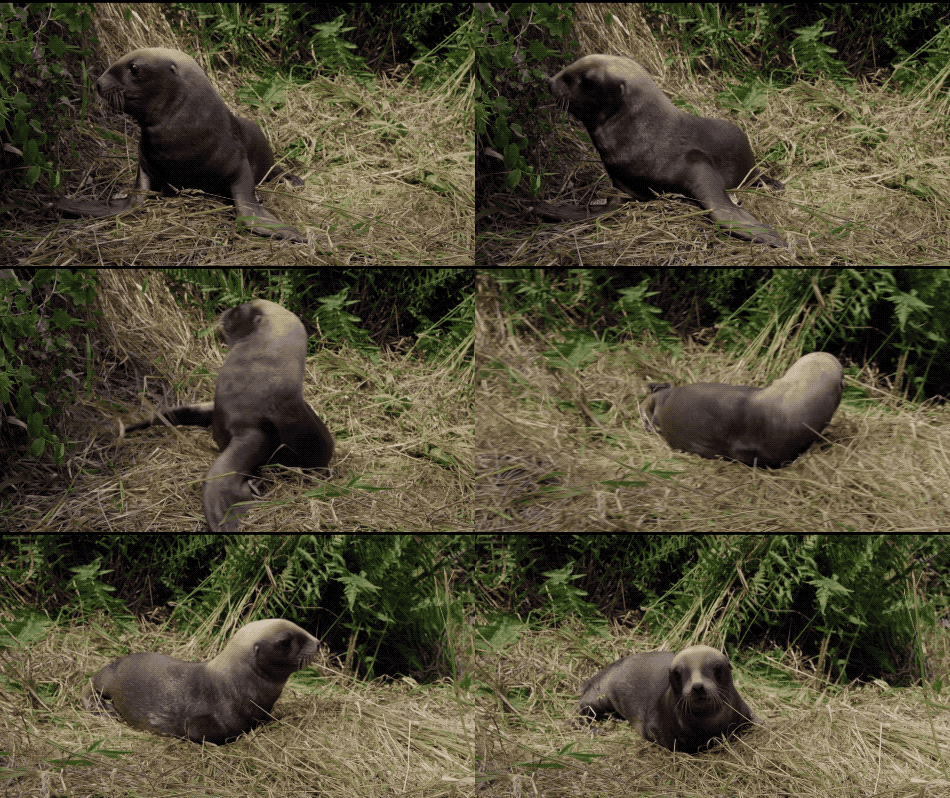
The Comeback Of The New Zealand Sea Lion Pup
The rarest species of sea lion lives on the islands of New Zealand and has made a recent comeback to the mainland.
25:55
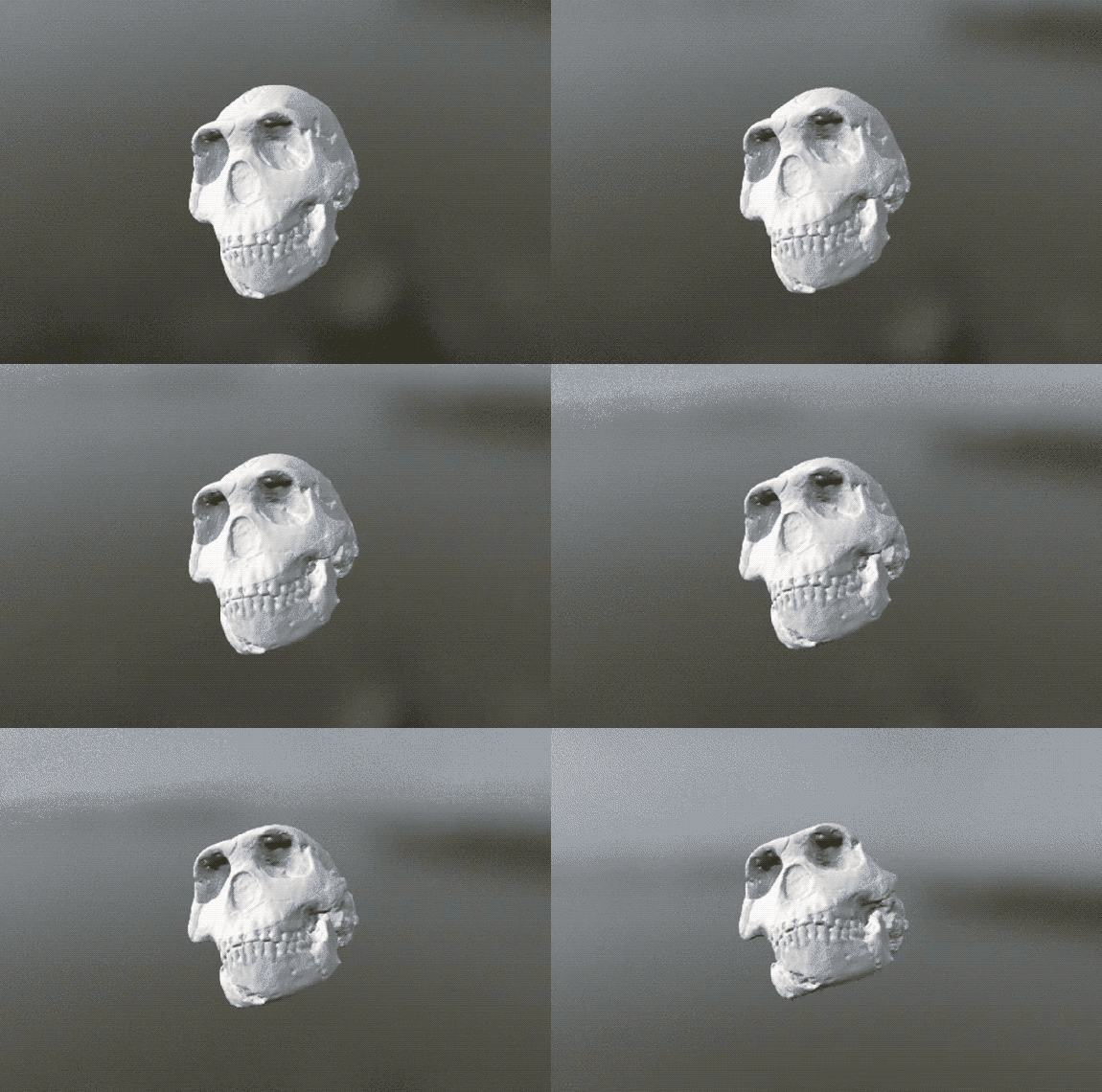
Ancient Homo Naledi May Have Walked Alongside Early Humans
New 3D models of Homo naledi fossils help researchers better understand the human family tree.
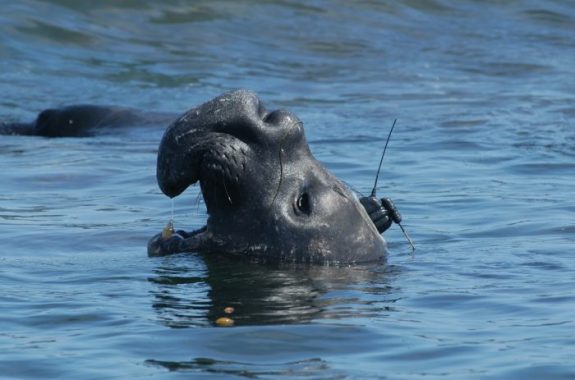
Dive Into The Depths With Seals
Use this interactive to explore ocean data collected by Elephant Seals as they swam through the North Pacific Ocean.
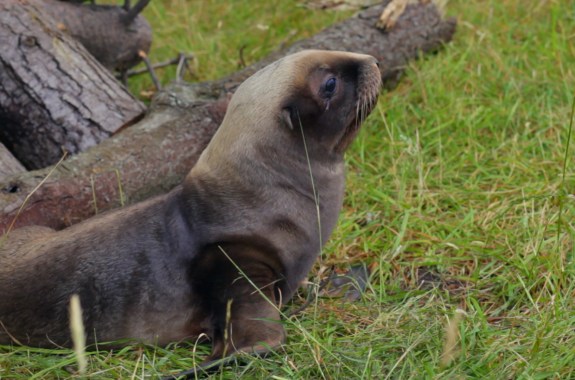
How To Save The World’s Rarest Sea Lion Pups
After being hunted off the mainland of New Zealand centuries ago, a new generation of the Earth’s rarest sea lions species has miraculously returned.