On Today's Podcast
When, and where, did bats first take to the sky?
An analysis of bat genomes and fossil records has shown that the flying mammals first took wing in Europe some 60-65 million years ago.
Listen NowOctober 30, 2026
When, and where, did bats first take to the sky? Online clinics are prescribing GLP-1 microdoses formulated by compounding pharmacies. Are they safe and effective? Terence Tao says mathematics is about understanding, not just right answers, and quick AI solutions are forcing soul-searching in the field. Plus, how chatbots are changing language, and what life was like for T. rex.
20:24
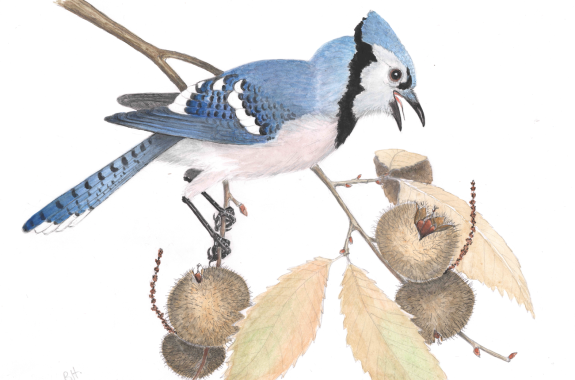
The Birds and the Bees
Celebrating spring science and the wonders of observation.

Good Mushroom, Bad Mushroom: Fun(gus) Trading Cards
Learn about mushrooms, and trade your favorites with your friends!
Twitter Polling and Sample Bias: A Case Study
As part of our #TakeASample Science Club, Science Friday asked its Twitter audience a few simple survey questions, and they answered by the thousands. But do the data mean anything?

Stopping a Speeding Bullet…With Foam
Researchers have developed a foam capable of shattering bullets on impact.
The Week-After SciFri Quiz! 5/11/16
How much do you know about the history of GPS?

How Electronic Ink Was Invented
The screen technology used in e-readers like the Amazon Kindle was conceived by undergraduates at MIT.
11:48
Bacteria Vs. (Zika) Virus, New Earth-Like Planets, and What Went Wrong With Theranos?
A new possible method for fighting Zika, plus a cautionary tale for biotech start-ups everywhere.
23:03
Recalculating the Global Influence of GPS
Has your GPS ever gotten you in trouble? It’s so common in National Parks that rangers in Death Valley call it “death by GPS.”
12:04
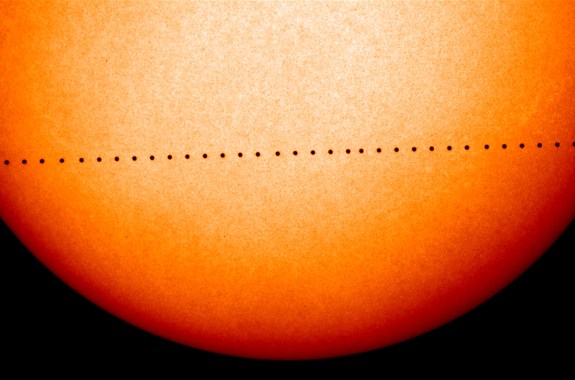
Preparing for a Stellar Show
Dean Regas shares tips for viewing the upcoming transit of Mercury, and other sights in the spring skies.
17:07
Shedding Pounds, Then Keeping Them Off
What “The Biggest Loser” can teach us about how the body loses and maintains weight.
10:39
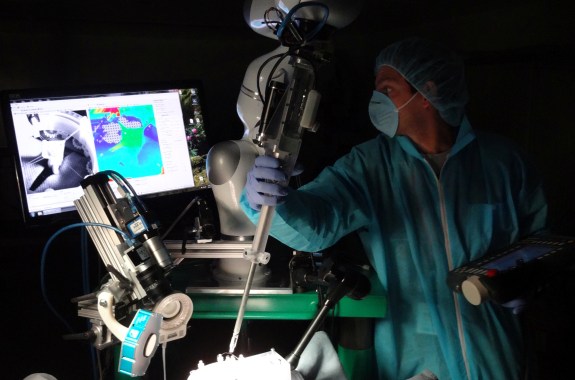
Would You Trust a Robot to Perform Your Surgery?
Researchers have now developed a robot that can perform sutures and other delicate operations completely autonomously.

16:05
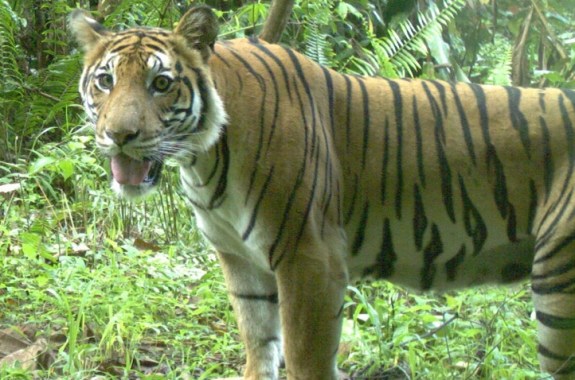
A Candid Camera for Wildlife
Camera traps lend a technological assist to researchers studying elusive animals in the wild.
Behind the Master Controls of GPS
Author Greg Milner explains how five billion devices use 31 GPS satellites to determine their locations.


Preserving the World’s Monuments, One Digital Scan at a Time
CyArk is traversing the globe in a race to digitally preserve the earth’s greatest heritage sites.

Finding a Sanctuary in Science
Geobiologist Hope Jahren’s memoir, “Lab Girl,” is meant not only to describe her connection to science, but to make science relatable to the public.
11:50
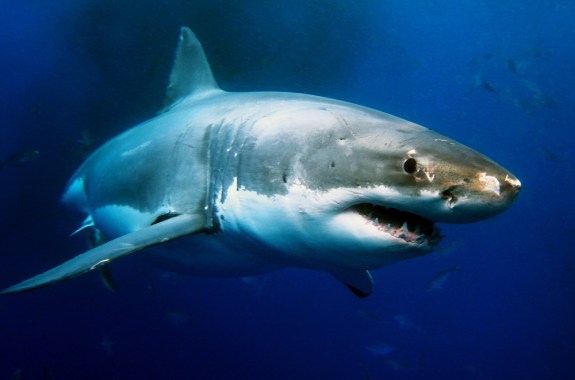
Fecal Matter Transplants, a Moon for Pluto ‘Sibling,’ and Tweeting Sharks
What’s going on in the body during and after a fecal matter transplant? Plus, a look at the good and the bad of sharks that tweet.

34:16
In the Quantum World, Physics Gets Philosophical
Could the space we live in—our everyday reality—just be a projection of some underlying quantum structure?