On Today's Podcast
Tracking shark populations, one shark at a time
A Florida research team catches and releases about 600 sharks a year to monitor their populations and study the health of marine ecosystems.
Listen NowJuly 24, 2026
Archeologists are piecing together the lives of ordinary Pompeii residents, from a fish sauce entrepreneur to an enterprising businesswoman. Plus, Andrea Ghez developed a way to peer through dust clouds and observe stars orbiting the supermassive black hole at the center of the Milky Way. And, what do we know, and not know, about SSRI antidepressant withdrawal?
12:19
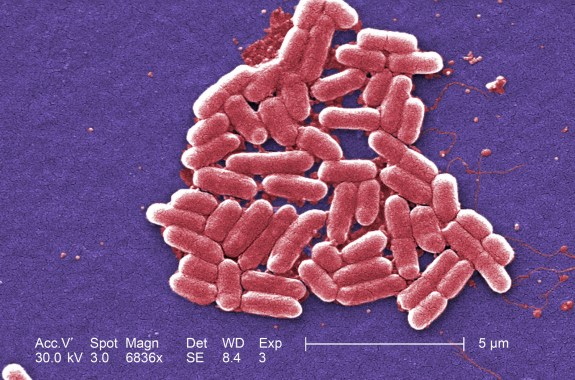
Antibiotic Awareness, Bee Blunders, and Barbie Becomes a ‘Chatty Cathy’
The World Health Organization launches Antibiotic Awareness Week, and Hello Barbie raises privacy concerns.

27:50
Why Machines Discriminate—and How to Fix Them
Big data sets can perpetuate the same biases present in our culture, teaching machines to discriminate when scanning resumes and approving loans.

05:43
Hard Cider Science
For cidermaker Alejandro del Peral, the process is “about 50 percent chemistry, and the other 50 percent is art.”
11:37
Cracking Open the Encryption Debate, Post-Paris Attacks
What role does encryption play in surveillance, security and privacy?

22:49
Can Science Untangle Our Transit Maps?
Scientists are taking lessons from psychology and cognitive science to figure out what works—and what doesn’t—in transit map design.

10:38
How YOU Solved the Science Club Message Challenge
The Science Club meets to discuss your innovative methods for getting a message from one place to another.
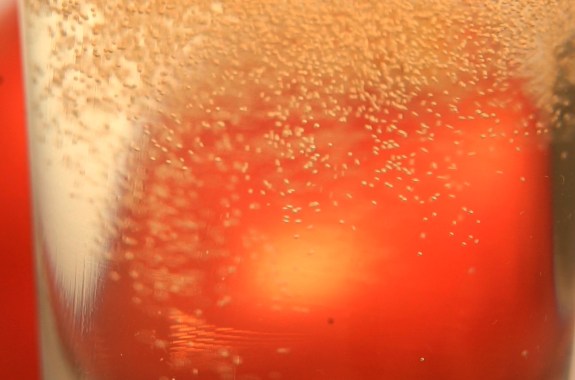
Cider Science
Making a hard cider is about 50 percent chemistry, and 50 percent is art.
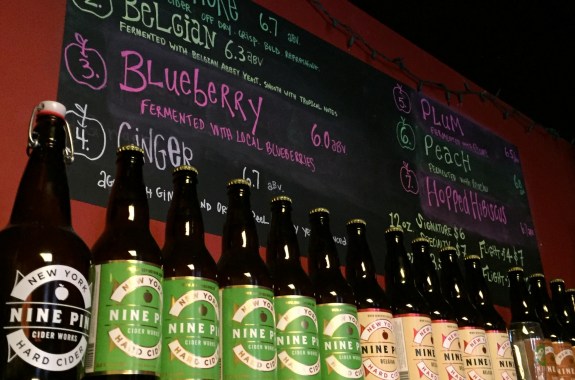
Hard Cider, Easy Sipping
For one New York cidermaker, a variety of flavorful blends keeps the drink interesting.
The Week After Science Friday Quiz! 11/17/15
What do you know about honeybees, swimmers, and plant poaching?

Thanksgiving Science
From cranberries to turkey snoods to giant balloons, Thanksgiving is stuffed full of science.
11:58
Regulating Homeopathic Treatments, Thousands of Toenails, and A.I. in the Classroom
The FDA and FTC explore whether or not to regulate homeopathic medicines. Plus, artificially intelligent software could be changing how students learn in the classroom.
27:05
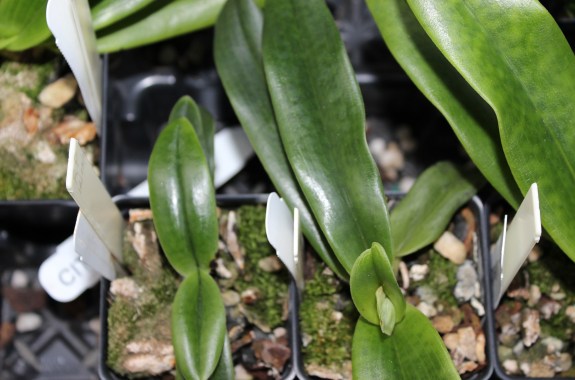
The Dirt On The Illegal Plant Trade
The trade of illegal poached plants includes rare Vietnamese orchids and threatened North Carolina wild venus flytraps.
06:06
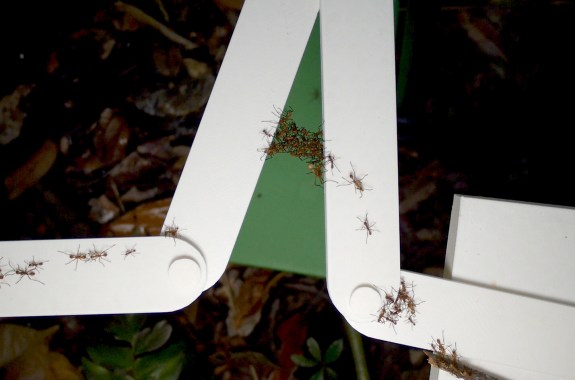
The Swarming Intelligence Of Ant Colonies And Slime Molds
Biologist Simon Garnier studies how ant colonies and the multi-nucleated slime mold organize themselves into dynamic structures.
12:02
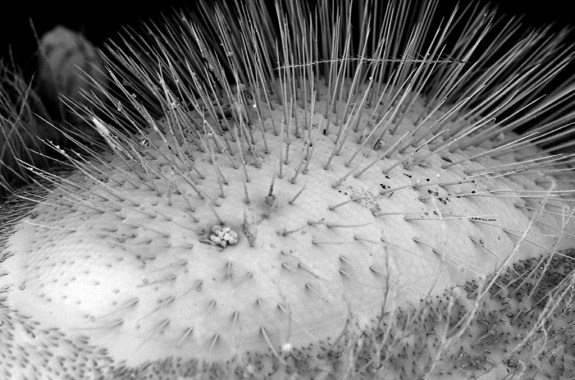
Microscopic Hairs Keep Some Critters Clean
Studying the hair tricks of the insect world might lead researchers to better self-cleaning materials, like solar panels that dust themselves.
17:32
Gene Therapy Aims to Switch on Hearing
Researchers have developed several genetic therapies for hearing loss that show promise in animal studies, but it’s unclear whether they’ll succeed in humans.
16:50
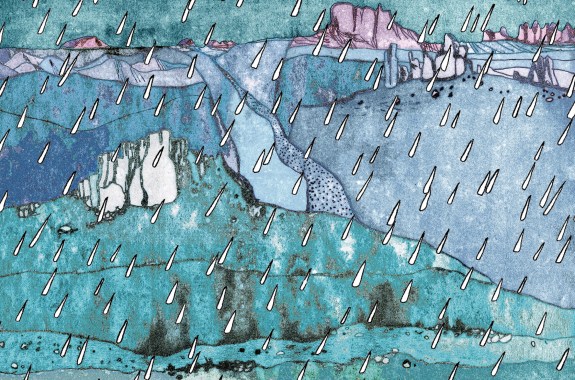
‘Thunder And Lightning’ Captures Weather’s Dramatic Side
In “Thunder and Lightning,” author and artist Lauren Redniss illuminates how weather works, and the sometimes strange ways it shapes our lives.
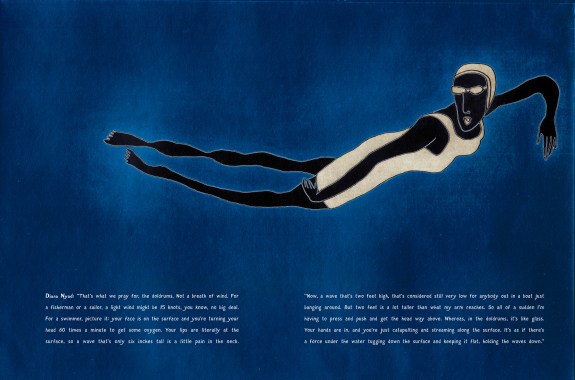
Swimming With Diana Nyad
An excerpt from “Thunder & Lightning: Weather Past, Present, Future.”
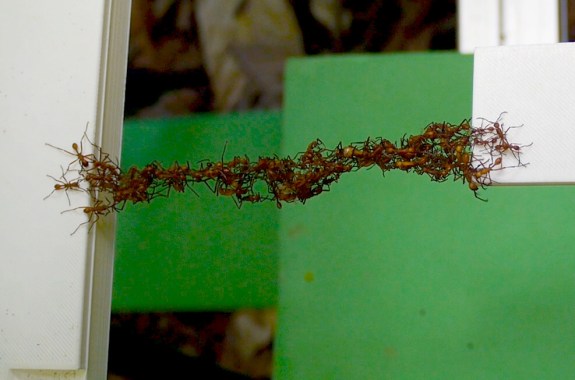
The Road Best Traveled: A Tale of Ants, Slime Mold, and the New Jersey Turnpike
Can the expansive food trails of army ants or the seemingly mindless exploration of slime mold help us understand how and why organisms organize themselves so dynamically?