On Today's Podcast
Isabella Rossellini on how acting connects to animal cognition
Should we anthropomorphize animals or not? An actor and an ecologist share what they’ve learned about animal cognition.
Listen NowOctober 23, 2026
CRISPR pioneer Jennifer Doudna discusses the evolution of gene-editing technology and what it takes to be a good scientist. Timekeepers around the world voted to stop using leap seconds, but what does that mean for us? Plus, how "problem bears" help test engineers evaluate consumer products, author Kazuo Ishiguro on emotional truth in our age of AI, and the science of apple varieties.
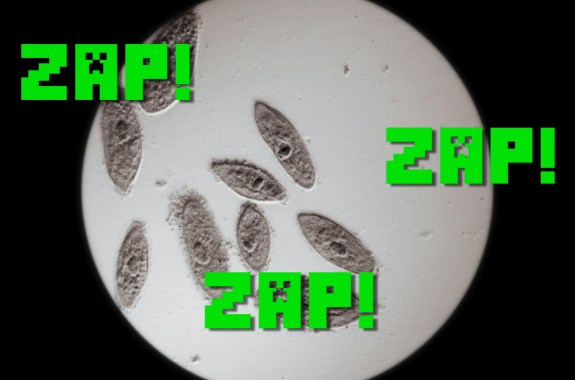
The BioArcade
Biologist Oliver Medvedik and computer programmer Keith Comito developed a kit where live single-celled organisms play a game called the BioArcade.
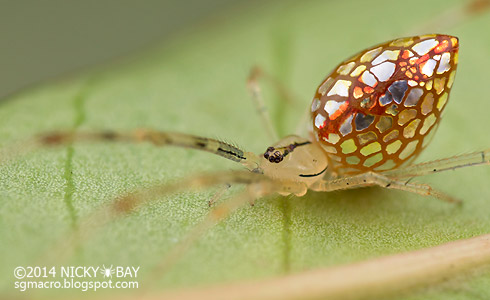
How Is a Spider Like a Disco Ball?
This spider, likely a member of the Thwaitesia genus, was photographed in Singapore.
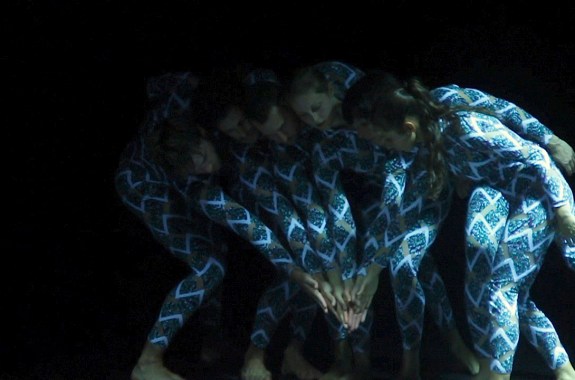
Quantum: An Ode to Particle Physics
Drawing on his experience as Artist-in-Residence at CERN, Gilles Jobin’s dance performance, Quantum, presents an abstract meditation on the motion of particles and laws of physics.
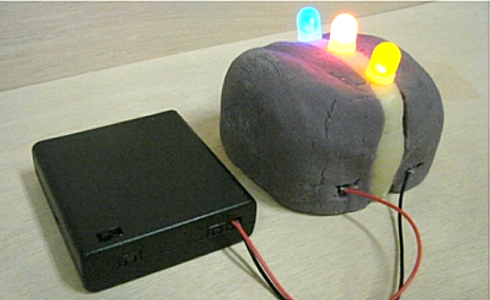
Squishy Circuits
Use two play dough recipes to create “squishy circuits” and explore electricity.
11:42
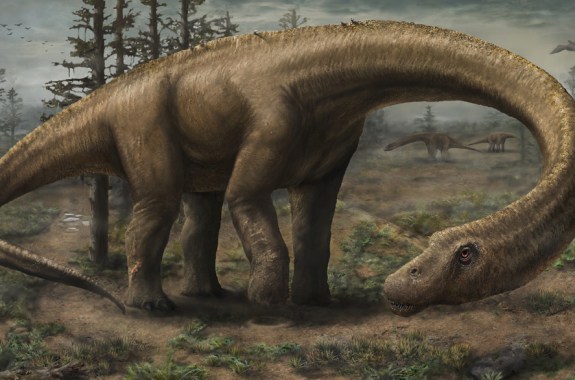
Supermassive Dinosaur Would Have ‘Feared Nothing’
Scientists estimate the dinosaur Dreadnoughtus schrani would have weighed as much as a Boeing 737.
33:47
To Master Test Material, Give Your Brain a Break
Salvador Dali and Thomas Edison took very brief naps when they were stuck on artistic and scientific problems.

11:44
The Wilderness Act Turns 50
Fifty years ago this week, legislation set aside over nine million acres of official wilderness.

7:25
From Exotic Garden to Eco-Haven
A former millionaire’s estate is becoming an environmental haven and training ground.

9:41
Hello, Stranger, Wanna Share a Cab?
Researchers found that potentially 95 percent of cab rides in New York City could have been shared.
16:57
Randall Munroe Asks, ‘What If?’
In his new book “What If?”, xkcd comic artist Randall Munroe answers his readers’ hypothetical questions with math and science.
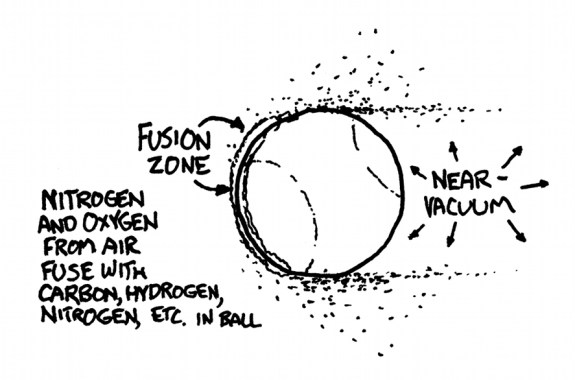
Could You Hit a Baseball Pitched Near the Speed of Light?
An excerpt from the xkcd creator’s new book, “What If?”
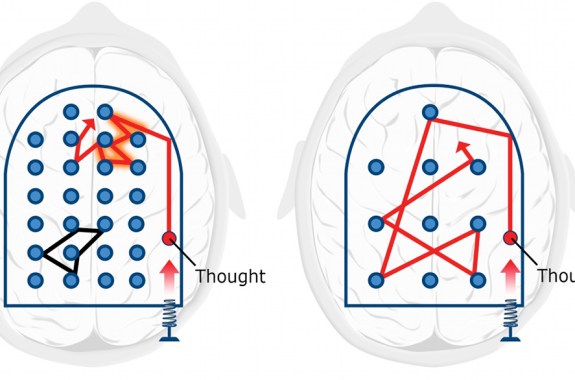
How Pinball Helps Explain Ways We Think and Learn
An excerpt from “A Mind for Numbers.”
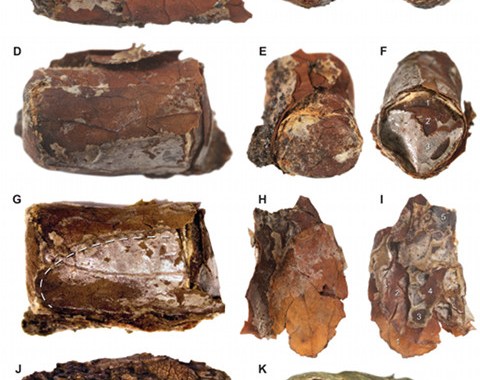
Insect Microfossils Provide Prehistoric Insights
Discovered at La Brea Tar Pits, the pupa helps reveal clues to what the environment was like in Southern California during the Pleistocene Epoch.
17:20
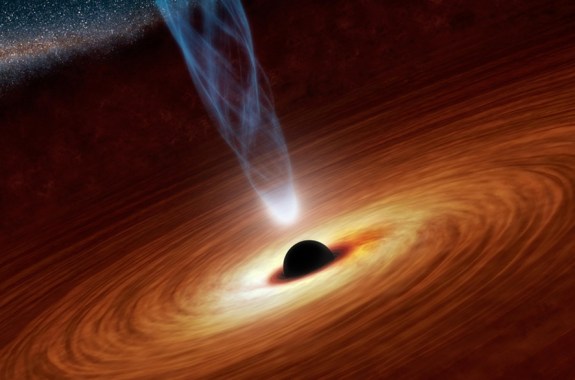
Unraveling the Mysteries of Black Holes
High energy x-rays provide a rare glimpse into the behavior of black holes.
8:29
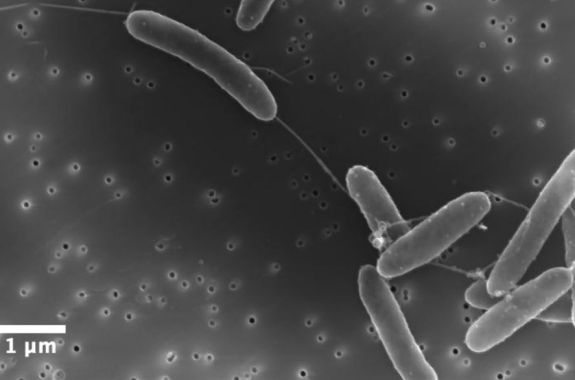
Electric Bacteria Form Nanowires, Shoot Out Electrons
USC’s Moh El-Naggar says engineers hope to harness bacterial energy using fuel cells.

17:14
Less Flashy Fossils Offer Paleoclimate Clues
Uncharismatic microfauna, such as insects and mollusks, are giving scientists at La Brea Tar Pits in Los Angeles a glimpse of the city’s cool, humid past.
12:27
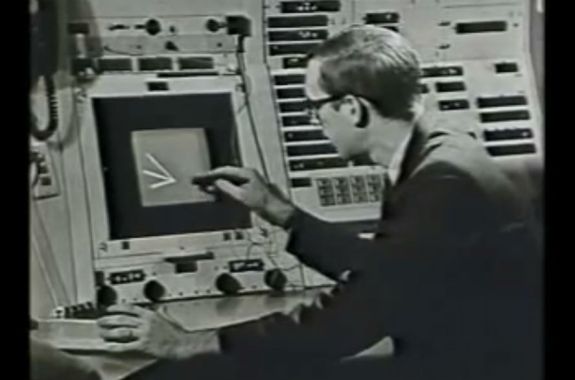
From The Lab To The Silver Screen: The Birth of CGI
Animator Tom Sito explains how scientists and engineers kickstarted Hollywood’s digital animation revolution.
17:23
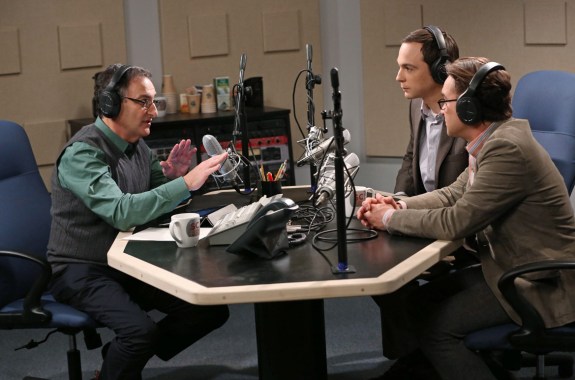
Science In The Writers’ Room
Hollywood T.V. and film writers explain how they balance scientific accuracy and storytelling.
17:22
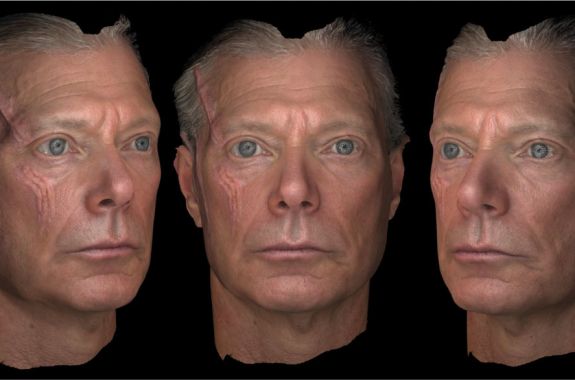
Making Hollywood’s Digital Doubles
Now that Hollywood’s visual effects wizards can create convincing “digital actors,” will we still need the real thing?