On Today's Podcast
What was life like for Tyranossaurus rex?
T. rex may be the most famous prehistoric predator, but their life wasn’t always bone-snapping chomps and food chain scaremongering.
Listen NowOctober 23, 2026
CRISPR pioneer Jennifer Doudna discusses the evolution of gene-editing technology and what it takes to be a good scientist. Timekeepers around the world voted to stop using leap seconds, but what does that mean for us? Plus, how "problem bears" help test engineers evaluate consumer products, author Kazuo Ishiguro on emotional truth in our age of AI, and the science of apple varieties.
11:55
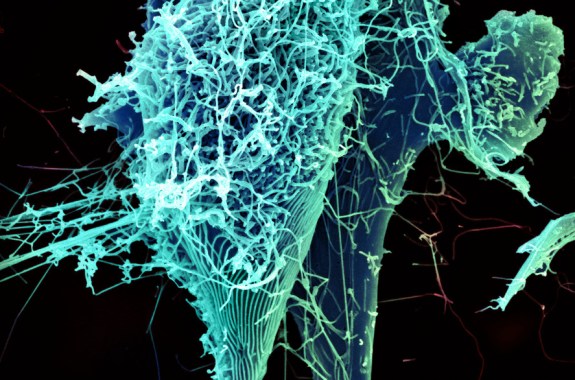
Experimental Therapy Saves Monkeys From Deadly Dose of Ebola
ZMapp, the cocktail of antibodies used to treat two American aid workers infected with the Ebola virus, spared 18 severely ill monkeys from death.
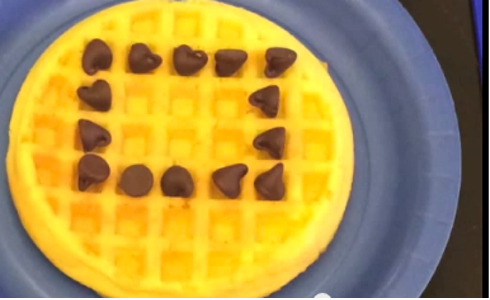
No Waffling On The Numbers
Three delicious math games you can play on your waffles to build math fact fluency and geometry skills, from the folks at Bedtime Math.
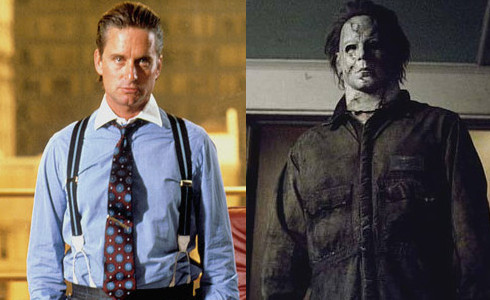
What Can We Learn From On-Screen Psychopaths?
Few psychopaths who terrorize the big screen could pass a reality check, but those who do can be used as teaching tools for aspiring psychiatrists.
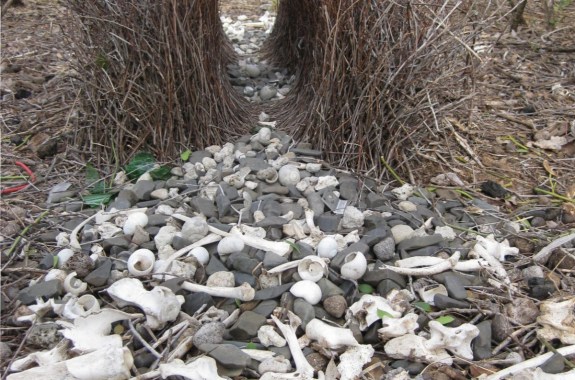
The Ultimate Bachelor Pad: Great Bowerbird’s Bower
Male great bowerbirds build these structures strictly to attract females for mating.
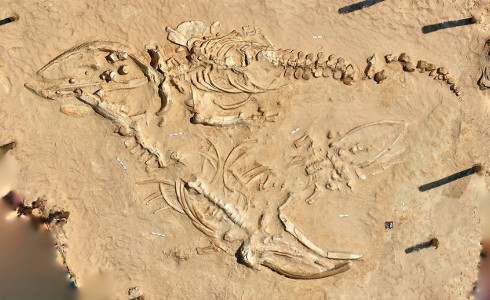
Classroom Strategy: Image of the Day
Three approaches for using images as gateways to instruction in grades 4-16.
22:52
Can the Bacteria in Your Gut Send Messages to Your Brain?
Researchers discuss how the microbiome might play a role in anxiety, depression, and autism.
6:51
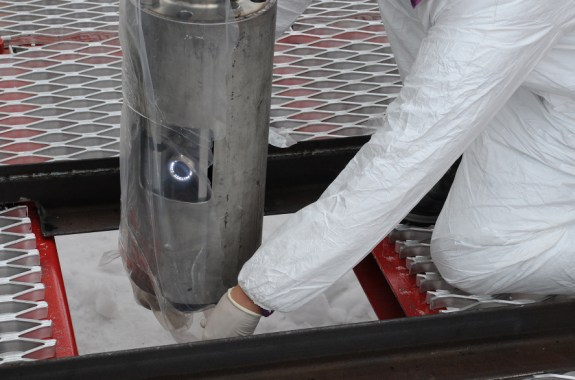
Microbes Thrive in Antarctic Lake Buried Beneath Ice
Microbes have made a home in a lake trapped beneath an 800-meter-thick ice sheet in Antarctica.
17:38
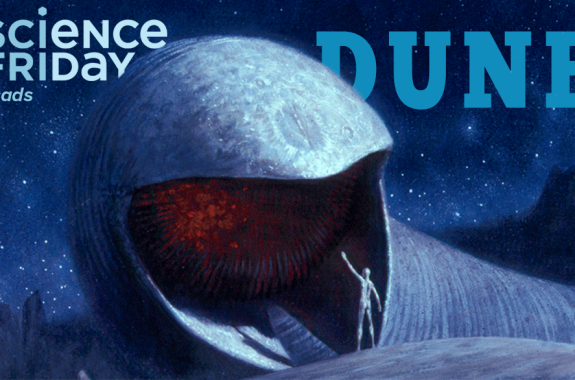
The SciFri Book Club Talks ‘Dune’
The SciFri Book Club concludes its discussion of Frank Herbert’s ecological epic, “Dune.”

12:21
Oceans Act As the World’s Thermostat
Global temperatures hit a plateau at the turn of the 21st century. Now researchers say they’ve discovered where that missing heat was hiding: in the oceans.
7:34
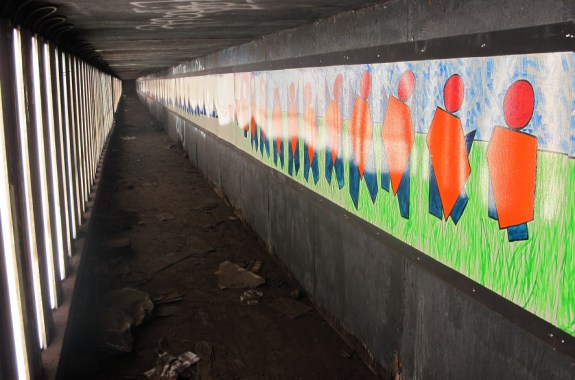
Making “Masstransiscope”
A filmmaker uses science to transform the New York City subway into a movie theater.
9:49
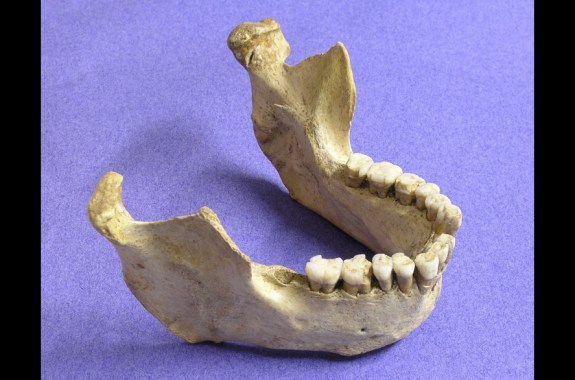
Neanderthals and Modern Humans Mingled for Millennia
New, more accurate radiocarbon dating suggests the two cultures co-existed in Europe for nearly 5,000 years.
7:59
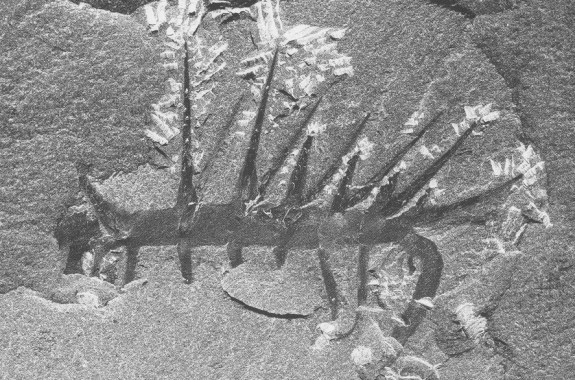
‘Evolutionary Misfit’ Finds Its Way Into the Family Tree
Scientists piece together how a 14-legged Cambrian worm is related to modern animals.
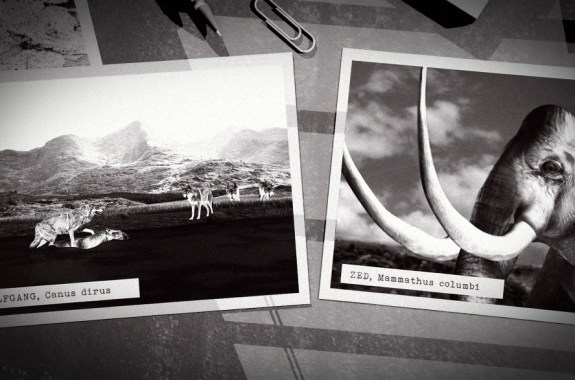
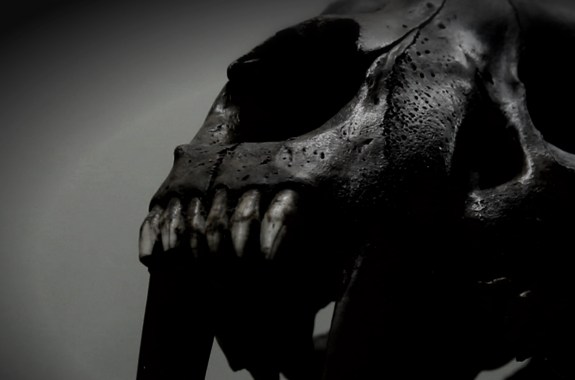
Tar Noir: Paleoforensics at the La Brea Tar Pits
Using paleoforensics, researchers recount the grim details of life and death at the the La Brea Tar Pits.
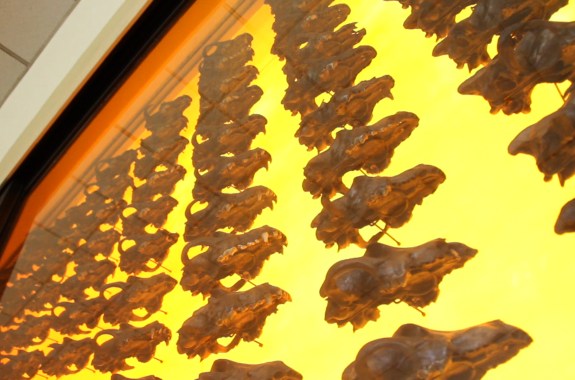
Millions Of Fossils Can’t Be Wrong
The Page Museum’s Chief Curator, John Harris, explains how paleontological and climatological research at the museum relies upon on tar pit’s prolific fossil deposits.
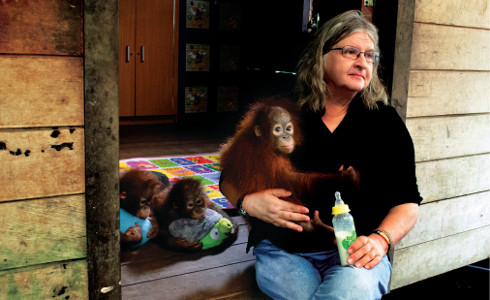
10 Questions for Biruté Mary Galdikas, Orangutan Expert
The primatologist chats about her adventures with the red ape, her affinity for the forest, and her advice to budding conservationists.
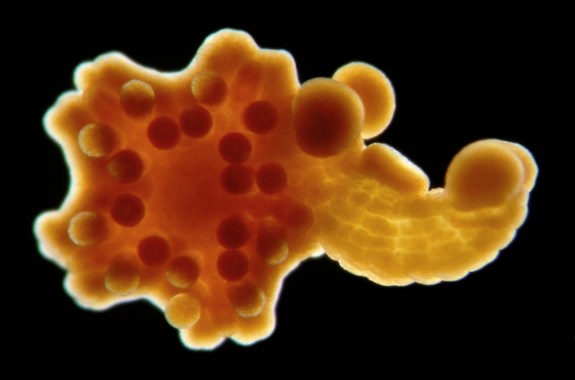
A Growing Starfish
Biologists photograph the first days of a fiery orange starfish common to Brazil’s rocky southern shores.
Dune Discussion Question: Week #4
The fourth and final discussion question for this summer’s SciFri Book Club selection, “Dune.”

Salad Dressing Science: Emulsion Lab
In this experiment, you will test a few common household ingredients to see which is the most effective emulsifier for making salad dressing – and you can eat your results!