On Today's Podcast
Why are we changing the way we keep time?
Timekeeping scientists around the world voted to stop using leap seconds, but what does this mean for us?
Listen NowOctober 23, 2026
CRISPR pioneer Jennifer Doudna discusses the evolution of gene-editing technology and what it takes to be a good scientist. Timekeepers around the world voted to stop using leap seconds, but what does that mean for us? Plus, how "problem bears" help test engineers evaluate consumer products, author Kazuo Ishiguro on emotional truth in our age of AI, and the science of apple varieties.
5:31
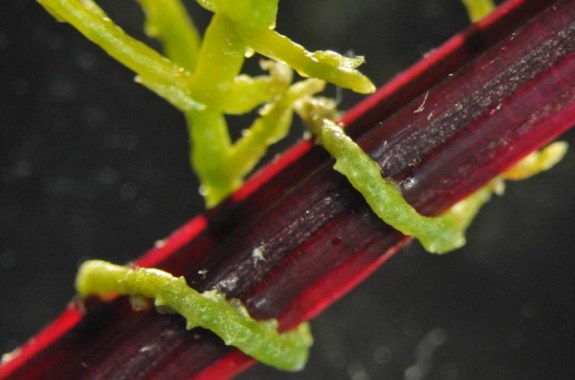
Decoding Secret Communication Between Plants
A new study in Science says that certain parasitic plants spy on their hosts through RNA exchanges.
10:26
App Chat: Being Social Without Leaving a Trace
A growing number of apps allow users to post ephemeral or anonymous messages—and they’re catching on quickly with millennials.
21:44
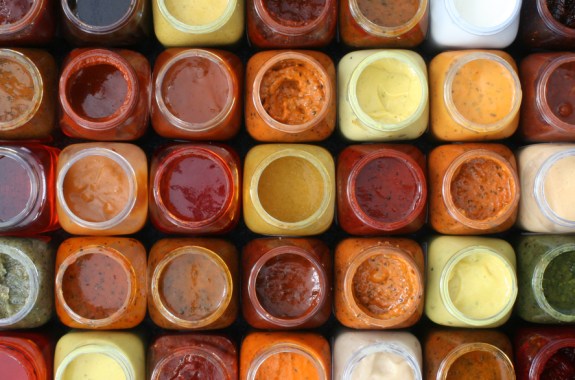
Concocting Condiments
Culinary scientist Ali Bouzari dips into the chemistry behind condiments, from hot sauce to mustard.

18:06
Sylvia Earle’s ‘Mission Blue’
Oceanographer Sylvia Earle bears witness to troubling changes in our oceans in the documentary “Mission Blue.”
6:37
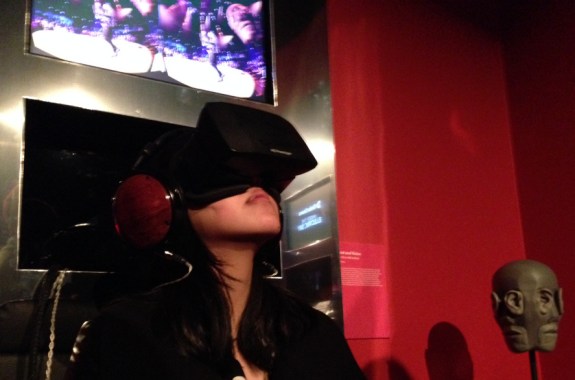
Bridging the Rift: Oculus’ Answer to Virtual Reality
Technological and design innovations inside the Oculus Rift make virtual reality poised for a mass-market debut.

Stained Glass Conservation
Medieval stained glass reveals a lot about life in the Middle Ages, but keeping these artistic works from falling apart is a detailed process.
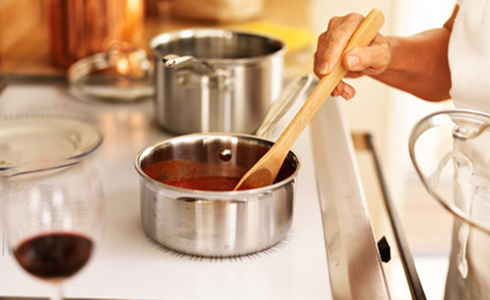
Secrets of the Sauce (and Other Edible Liquids)
Culinary scientist Ali Bouzari weighs in on the four ways to change the thickness of any sauce, soup, or liquid.
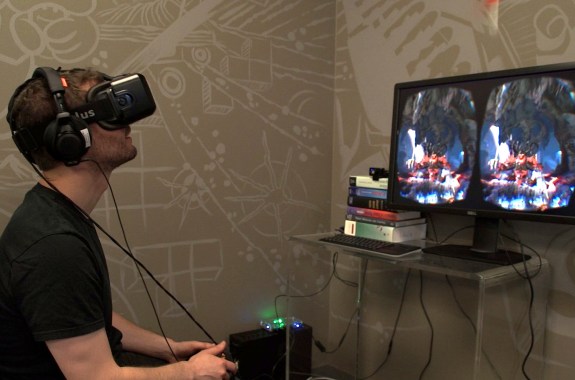
Bridging the Rift: Oculus’ Answer to Virtual Reality
Technological and design innovations inside the Oculus Rift make virtual reality poised to make a mass-market debut.
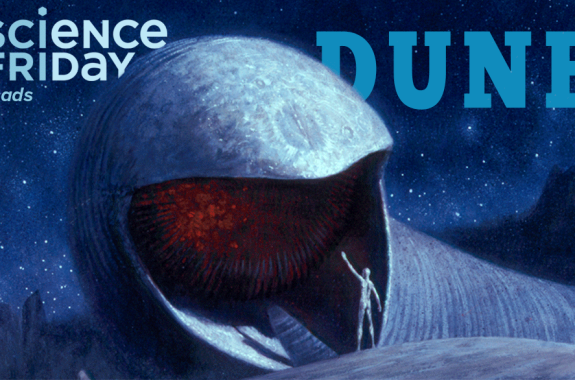
Share Your Favorite ‘Dune’ Quote
Record yourself reading your favorite quote from “Dune,” and share it with SciFri.
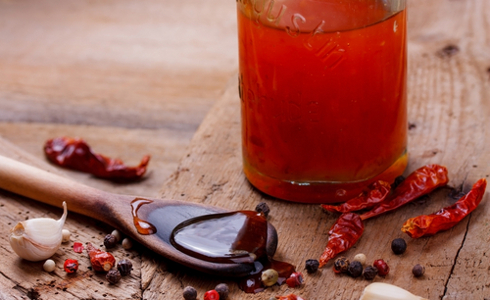
Is Your Hot Sauce Up to Snuff?
Use science to improve your latest spicy concoction.
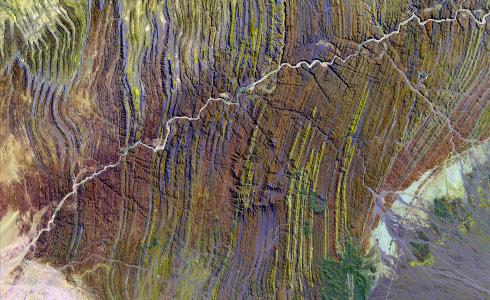
An Ephemeral River, Viewed From Space
This ephemeral river may only last a few days a year, but it’s life sustaining.
Dune Discussion Question: Week #3
The third discussion question for this summer’s SciFri Book Club selection, “Dune.”
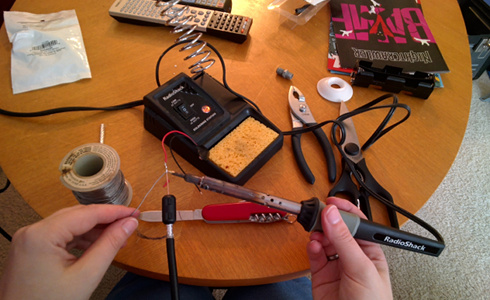
Build Your Own Radio Telescope to Listen to Meteors
Even if it’s cloudy or you can’t get outside at night, you can still listen to the Perseid meteor shower using a simple FM radio setup or by building a radio telescope at home.
8:19
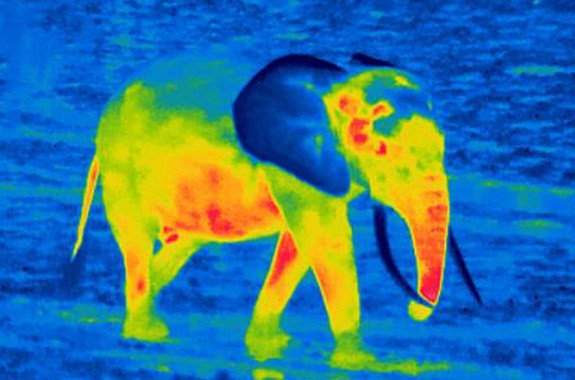
Listening In on Elephant ‘Mating Pandemonium’
In a ‘mating pandemonium’ event, a group of elephants roar after a pair of elephants mate.

21:23
Behind the Scenes at the City Morgue
Forensic pathologist Judy Melinek’s memoir “Working Stiff” goes behind the scenes at the New York City morgue.
16:08
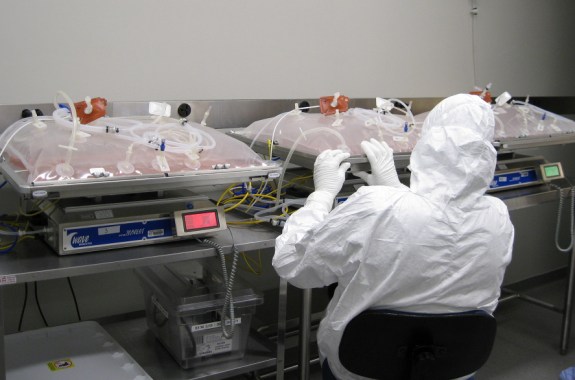
Giving Viruses a License to Kill…Cancer
Scientists transform common viruses like measles and herpes into potential cancer treatments.

12:14
Can an Experimental Therapy Be Used to Treat Ebola?
A look at the experimental therapy used to treat two Americans who were infected with Ebola.

3:13
‘Lucy’ Debunked
A neurobiologist reveals sci-fi thriller “Lucy”‘s neuroscience bloopers.
13:47
Close Your Eyes and Listen to the Night Sky
If the bright “supermoon” drowns out the Perseid meteor shower this year, why not listen for meteors instead?
8:36
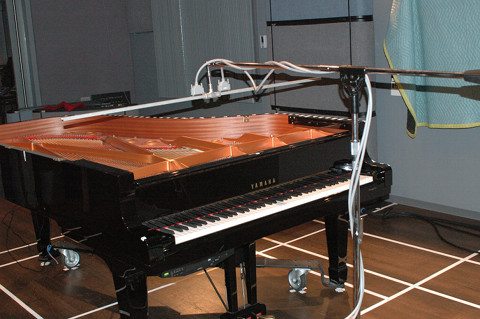
Can Science Build a Better Piano?
Scientists have created a 3D acoustical scan of the piano’s resonance—and say it could help refine the art of piano-making.