On Today's Podcast
What a trapped antimatter particle could tell us about reality
Researchers have trapped a positron and held it at extremely cold temperatures for months, allowing them to measure its quantum properties.
Listen NowOctober 30, 2026
When, and where, did bats first take to the sky? Online clinics are prescribing GLP-1 microdoses formulated by compounding pharmacies. Are they safe and effective? Terence Tao says mathematics is about understanding, not just right answers, and quick AI solutions are forcing soul-searching in the field. Plus, how chatbots are changing language, and what life was like for T. rex.

Drug Rapidly Counters Effects of Alzheimer’s In Mice
A drug given to mice with Alzheimer’s quickly improved memory deficits and behavior resulting from the disease.

The Science Of Yoga: The Risks And The Rewards
New York Times science writer William Broad’s book investigates popular health claims about yoga.
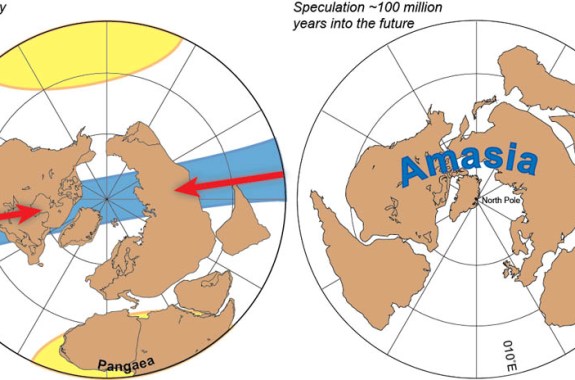
Next Supercontinent Could Form At The North Pole
A study in Nature challenges existing theories on where the next supercontinent will form.
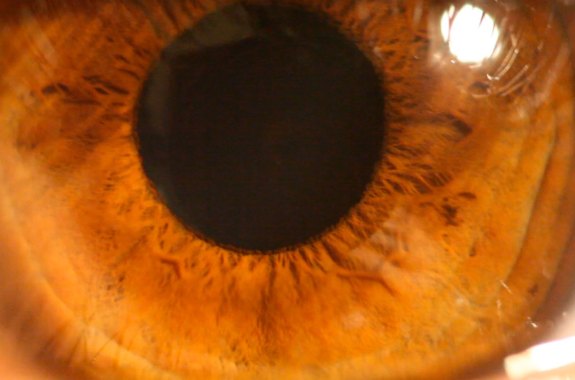
Valentine’s Day Special: Look Of Love
Our pupils change size in response to light, and thoughts.

Notes From A Former ‘Guitar Zero’
Why it’s not too late to learn how to play a musical instrument.

Why Vinyl Sounds Better Than CD, Or Not
Two experts explain the audio science behind the music.

Drone Technology Reaches New Heights
Experts discuss the military and commercial applications of increasingly sophisticated drones.

Listening In On The Brain To Decode Speech
A study in PLoS Biology details how researchers decoded the brain’s electrical activity to reconstruct speech.

Study Tracks Alzheimer’s Progression In Mice
A new study looks at the role a corrupted protein plays in the development of Alzheimer’s disease.
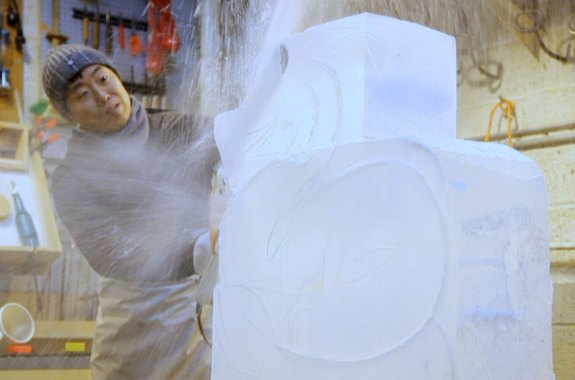
What’s So Cool About Frozen Water?
Ice can be hard to get a handle on, literally and figuratively.
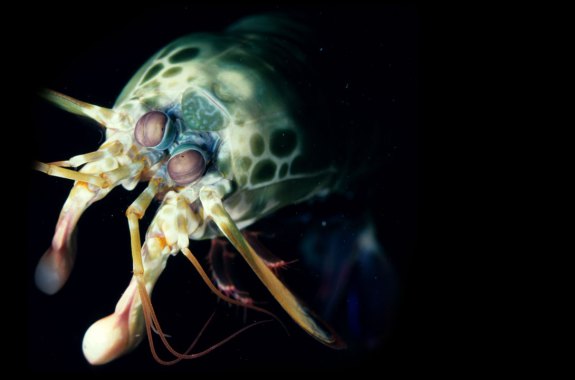
Mini Speed Demons
From mantis shrimp to trap-jaw ants, some of the fastest organisms on the planet are ones you may never have heard of.
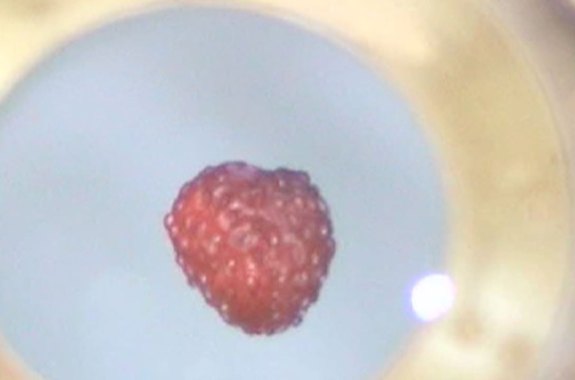
What Happens When You Levitate Flies?
In a recent study, Richard Hill levitated fruit flies to see how they behaved when they didn’t have gravity pulling them down.
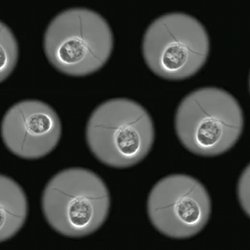
Microorganisms on the Move
In this activity, students will learn how to prepare deep well slides for observing two types of microorganisms called Paramecium (a group of protozoa, or single-celled organisms, which move with cilia, so they are called “ciliates”) and Euglena (microorganisms which move with flagella, so they are known as “flagellates”).
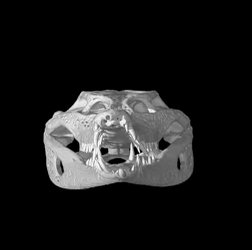
Cool Craniums
In this activity, students will observe three “mystery” mammal skulls and compare and contrast the features of each skull. Students will learn the anatomical terms for skull features such as orbits, nasal passages, and foramen magnum. Students will learn how these features relate to physical characteristics or behaviors of each animal. Students will use their observations and recordings to attempt to identify each skull, and will discuss how these physical characteristics helped the animal survive in its environment.

Behind the Scenes with Inventor – and Actor – Hedy Lamarr
A new book looks at the life of the brainy movie star Hedy Lamarr.
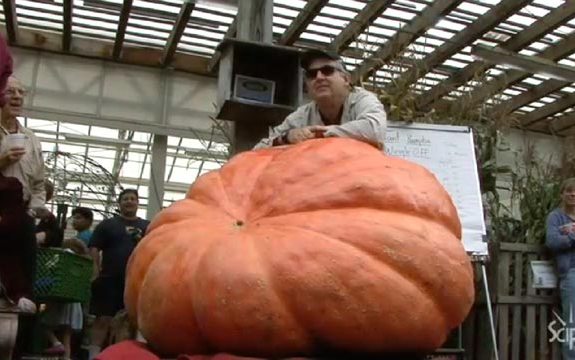
Behold, The 1,000-Pound Pumpkin
Visit Robert Sabin’s pumpkin patch: he has been growing giant pumpkins—the breed is Atlantic Giant—for over ten years.
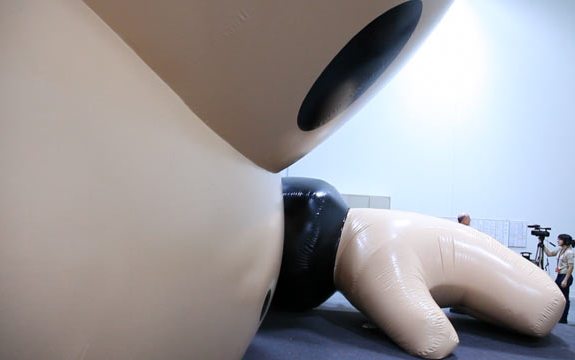
Meet The Balloonatics
It’s crunch time for the “balloonatics” at Macy’s Parade Studio.
Keeping a Betta
In this activity, students will research general information about bettas and use that information to determine suitable habitat requirements and maintenance. Students will work collaboratively to perform weekly maintenance duties to keep their betta alive. Students also will observe physical characteristics of their betta and conduct investigations on the behavioral characteristics of their betta.
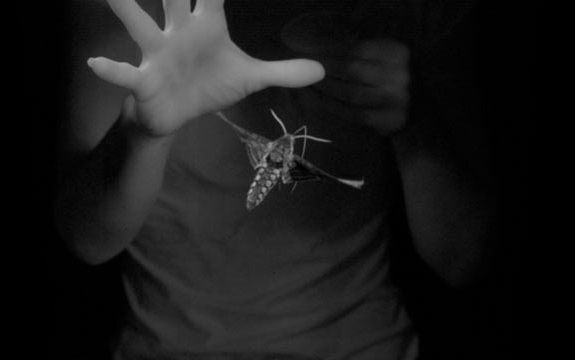
When Is a Moth Like a Hummingbird?
A hawk moth feeds by hovering in front of flowers and slurping nectar through a proboscis, basically a body-length straw.
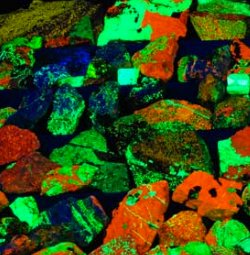
Mineral Madness
Geologists are greatly interested in minerals because they can reveal an enormous amount about the history of the geologic environment in which they are found. Geologists can classify and identify minerals by observing various properties such as streak, hardness, luster and, in some cases, fluorescence. In this activity, students will examine 10 mineral specimens and explore the different properties that minerals exhibit.