On Today's Podcast
Why are we changing the way we keep time?
Timekeeping scientists around the world voted to stop using leap seconds, but what does this mean for us?
Listen NowOctober 23, 2026
CRISPR pioneer Jennifer Doudna discusses the evolution of gene-editing technology and what it takes to be a good scientist. Timekeepers around the world voted to stop using leap seconds, but what does that mean for us? Plus, how "problem bears" help test engineers evaluate consumer products, author Kazuo Ishiguro on emotional truth in our age of AI, and the science of apple varieties.

10:42
Where Snowpack Meets Soil: An Important Winter Home For Bugs
Some spiders, beetles, and centipedes spend winter under snow in a layer called the subnivium. Climate change could threaten this habitat.

1:32
Drumroll Please! A Performance For The Solar Eclipse
A local percussion section in Akron, Ohio, performed a drumroll for the solar eclipse.
7:35
The Carbon Cost Of Urban Gardens And Commercial Farms
Some food has a larger carbon footprint when grown in urban settings than on commercial farms, while for other foods the reverse is true.

9:55
Why There Won’t Be A Superbloom This Year
What’s the difference between wildflowers blooming in the desert each spring, and the rare phenomenon of a “superbloom”?

16:21
A Cheer For The Physics Of Baseball
When you watch a baseball game, you’re also enjoying a spectacular display of science—from physics to biomechanics.

17:21
Inside The Race To Save Honeybees From Parasitic Mites
Varroa destructor mites are killing honeybees and their babies at alarming rates.
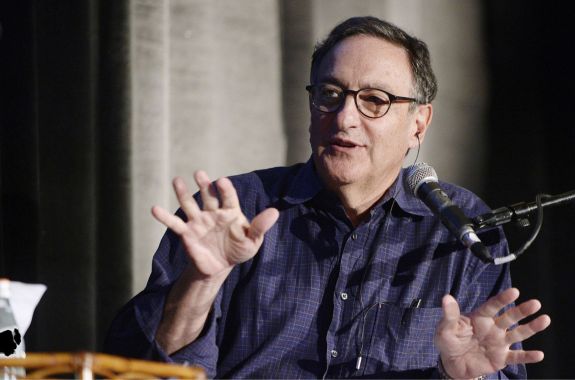
Ira Flatow At The Belvedere Tiburon Library
On April 18, join us in Tiburon for an event with Ira Flatow on the unique challenges and joys of communicating science to the public.
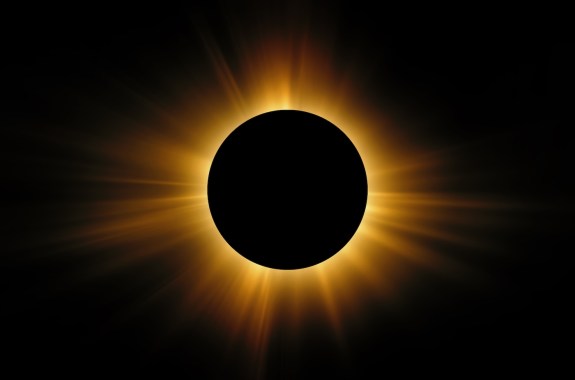
One Way To Preserve Your Eclipse Memory
Send yourself a “mental snapshot” of the eclipse so you can hold onto your experience of the cosmic event.
12:16
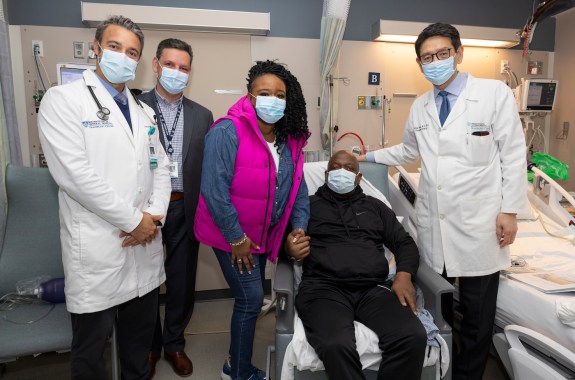
Recipient Of Pig Kidney Transplant Leaves The Hospital
A Massachusetts man who received a kidney from a genetically modified pig is recovering well.
7:38
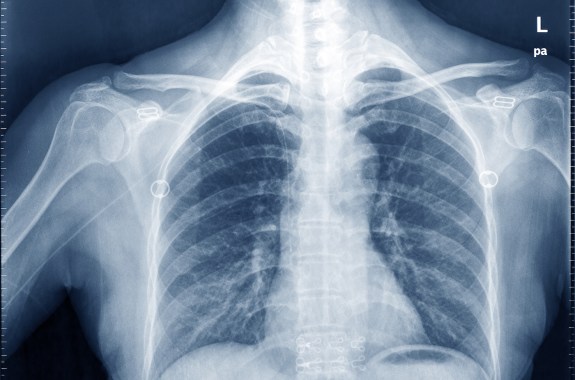
How AI Could Predict Heart Disease From Chest X-Rays
Dr. Eric Topol discusses the promise of “opportunistic” AI, using medical scans for unintended diagnostic purposes.
9:03
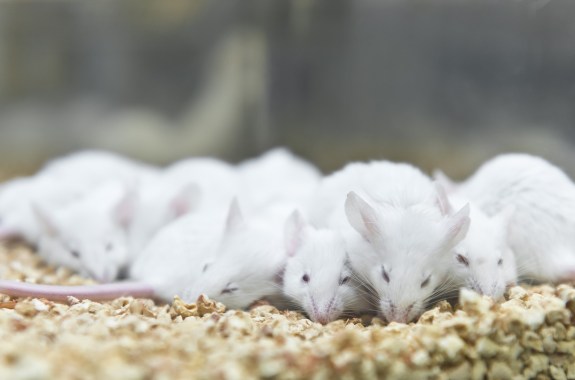
Neurons ‘Tag’ New Memories For Storage During Sleep
A study in mice found that the brain tags new memories through a “sharp wave ripple” mechanism that then repeats during sleep.
12:06
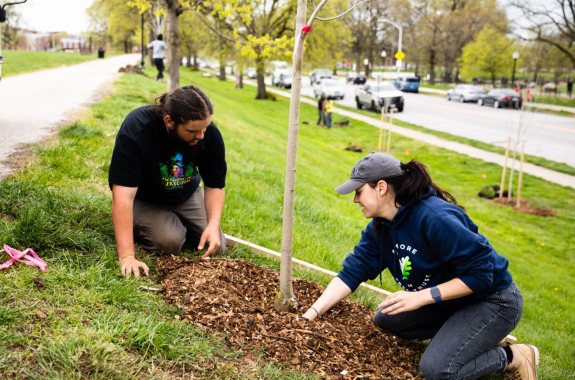
How Trees Keep D.C. And Baltimore Cool
Satellite technology—and community outreach—can help harness trees’ cooling power for city residents.
17:15
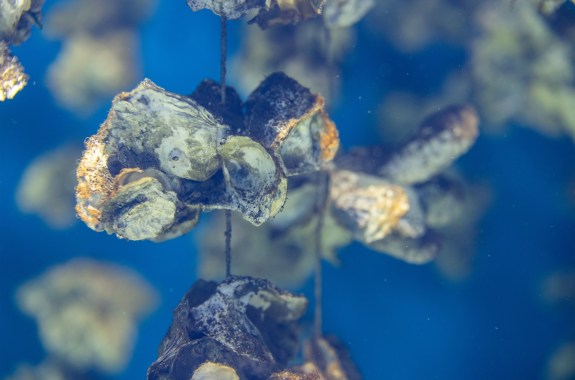
Eating More Oysters Helps Us—And The Chesapeake Bay
In the ever-changing and biodiverse Chesapeake Bay, conservation, aquaculture, and food production go hand in hand.
17:03
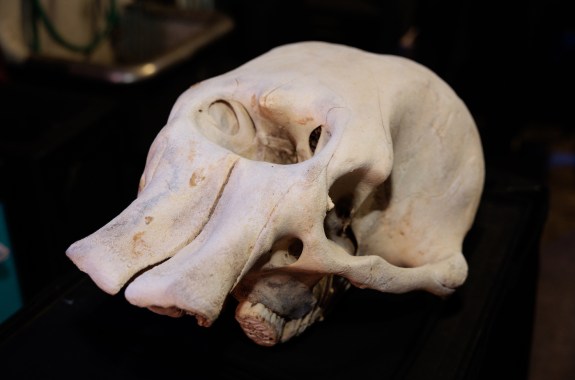
Investigating Animal Deaths At The National Zoo
When an animal dies at Washington, D.C.’s National Zoo, a pathologist gathers clues about its health and death from a necropsy.
16:32
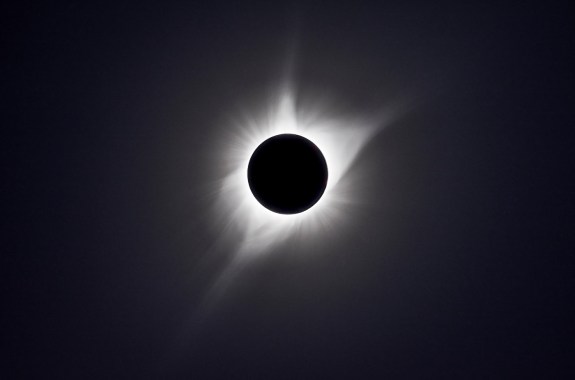
Answering Your Questions About Monday’s Eclipse
On April 8, a total solar eclipse will plunge parts of North America into darkness. Scientists answer the questions you asked.
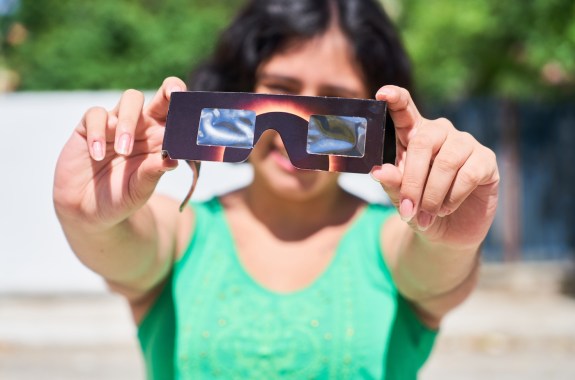
How Do Eclipse Glasses Actually Work?
A combination of materials that reflect and absorb light make it safe to look right at the sun.
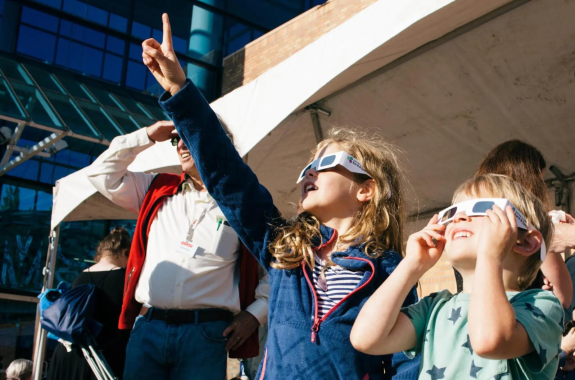
Participate In Science While You Watch The Solar Eclipse
Be a scientist with four easy ways to observe the total solar eclipse and report your results to researchers.
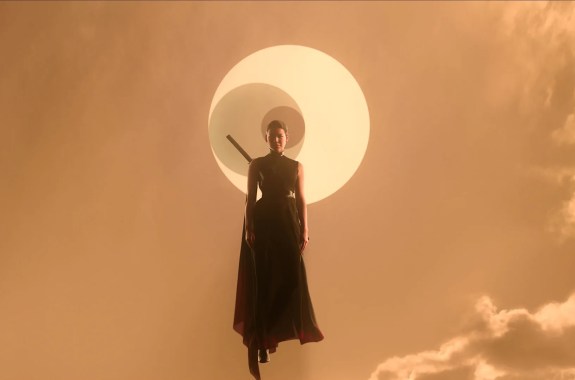
Breaking Down The Physics Behind ‘3 Body Problem’
The science advisor for the Netflix adaptation of the sci-fi novel delves into the physics behind the show.
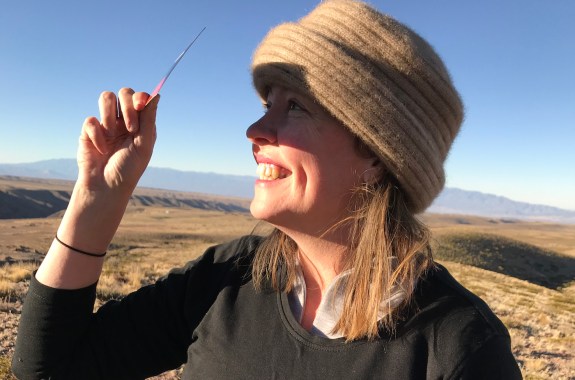
A Short History Of Umbraphile Marvels And Mishaps
For some people, seeing an eclipse is a chance encounter. For umbraphiles, it’s a lifestyle. It doesn’t always work out.

11:44
The Engineering Behind Why The Bridge In Baltimore Collapsed
We look into the engineering reasons why the Francis Scott Key bridge collapsed after a ship crashed into it.