Audio
Listen to Science Friday live on Fridays, or listen to our daily podcast
BROADCASTS
Listen to the full 2-hour Science Friday broadcast, from last week or any week you like.

The Science Of Replacing Body Parts, From Hair To Hearts
In “Replaceable You,” Mary Roach describes mind-boggling efforts to replace human body parts—and why it’s proven to be so difficult.
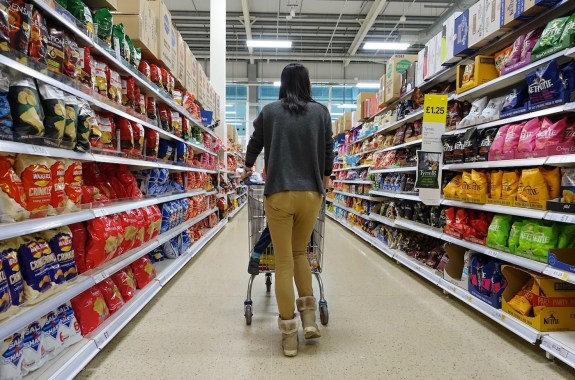
It’s Not Just You—Bad Food Habits Are Hard To Shake
The authors of “Food Intelligence” answer listener questions and discuss how our food systems make staying healthy an uphill battle.

An Off-The-Grid Nobel Win, And Antibiotics In Ancient Microbes
When the Nobel committee called, Fred Ramsdell did not pick up. Plus, searching ancient archaea for solutions to modern antibiotic resistance.

World Space Week And Promising Climate Tech Companies
We check in on some exciting space missions and projects from IMAP to LIGO. Plus, climate tech companies that have our attention.

The Story Behind The Largest Dam Removal In U.S. History
A new book goes behind the scenes of the removal of four dams along the Klamath River, and the massive restoration effort that’s followed.
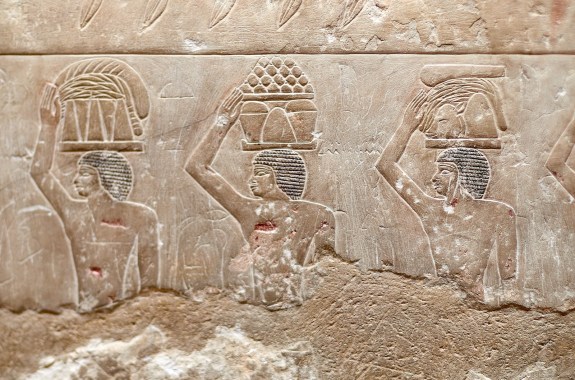
How Archaeologists Try To Smell, Hear, And Taste The Past
In “Dinner With King Tut,” Sam Kean shows how experimental archaeology can recreate the stinky, slimy, and tasty parts of ancient history.
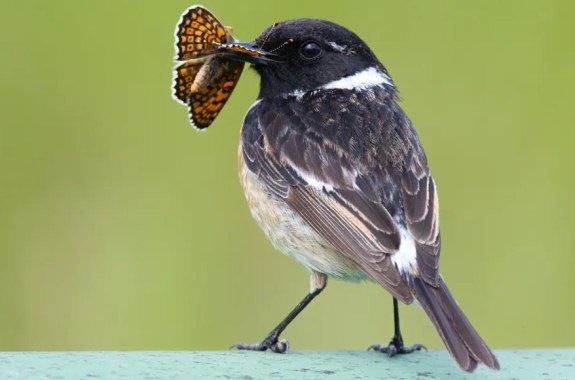
Moth Survival Strategies And A Rodent Thumbnail Mystery
Moths’ evolutionary split between bright warning colors and subtle camouflage depends on the context. Plus, mysteries of the rodent thumbnail.

12:13
As The CDC Falters, How Do We Fill Public Health Gaps?
Former CDC director Tom Frieden discusses how communities and health systems can move forward as the US public health system is dismantled.
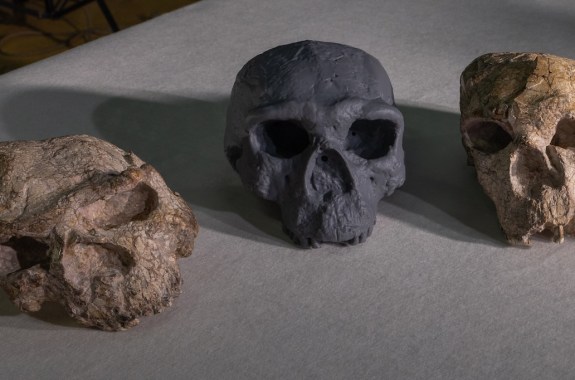
Anthropologists Have A Bone To Pick With New Skull Finding
A reconstruction of an ancient skull suggests that humans could have evolved half a million years earlier than thought. Not so fast, some say.
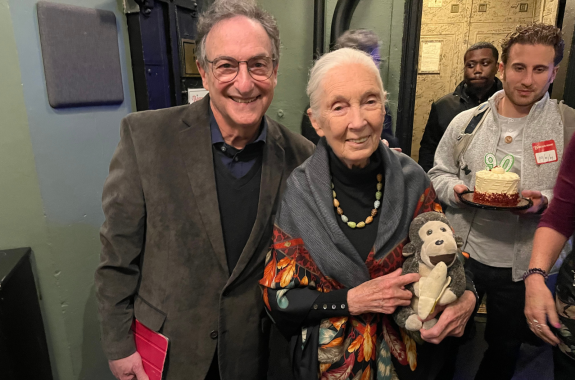
Remembering Primatologist Jane Goodall
Trailblazing chimp researcher and conservationist Jane Goodall died on October 1 at 91.