Audio
Listen to Science Friday live on Fridays from 2-4 p.m. ET, or listen to our daily podcast
BROADCASTS
Listen to the full 2-hour Science Friday broadcast, from last week or any week you like.
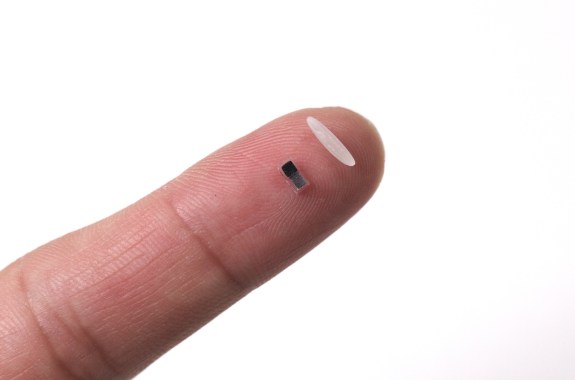
Bringing hard electronics into soft and squishy bodies
Inventor John Rogers bridges the natural and artificial worlds with flexible, biocompatible electronics.
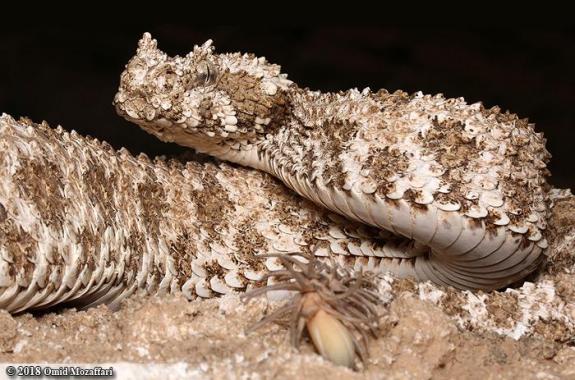
The inner secrets of a snake with a spider on its tail
The spider-tailed horned viper uses an unusual appendage to lure in birds. Researchers looked inside the spidery tail.
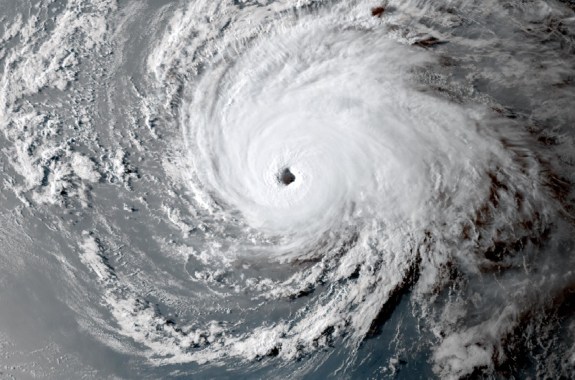
Climate change is increasing hurricane risk for Hawaiʻi
Hawaiʻi has generally been safe from the worst effects of hurricanes. But this year two hurricanes battered the islands in a matter of weeks.
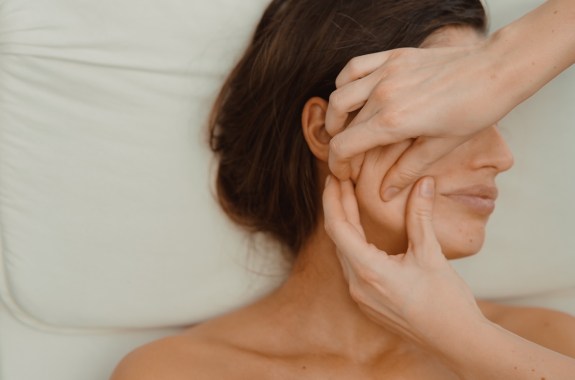
What is lymphatic drainage, anyway?
A new wellness trend focuses on stimulating the lymphatic system. What does this system do, and is there science to back these claims?
Hot flashes, hormone therapy, and the science of perimenopause
After decades of controversy over prescribing hormone therapy for perimenopause, many providers are reconsidering their approach.
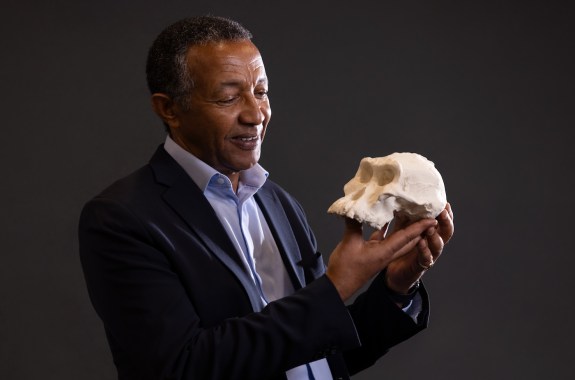
Telling the tale of human origins, one fossil tooth at a time
Yohannes Haile-Selassie has a talent for spotting fossils, and has discovered ancestors on several branches of the human family tree.

Did the fire at the Library of Alexandria set humanity back?
Author Sam Kean explores our fascination with lost knowledge in his new book, “The Museum of Lost Things.”

What would a Jurassic forest sound like?
Using fossil records and AI tools, scientists reconstructed a soundscape of a Jurassic forest, complete with ancient katydid calls.

Is a shorter course of antibiotics OK? + Genetic risk of fibromyalgia
Shorter courses of antibiotics may reduce antimicrobial resistance. Plus, a new study finds a group of genes associated with fibromyalgia.

Black bears are moving into the neighborhood. How do we coexist?
As black bears return to their historic ranges across the U.S., human encounters are increasing. How can bears and people live in harmony?