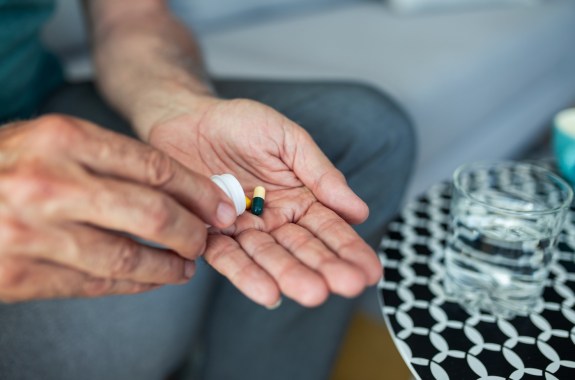
What do we know about SSRI antidepressant withdrawal?
We revisit a 2025 conversation with two psychiatrists about what we know, and what we don’t, about SSRI antidepressant withdrawal.
China’s booming biotech, from a brain implant to drug discovery
China’s biotech industry is on a rapid rise, with the first approved brain-computer interface and massive growth in drug discovery.
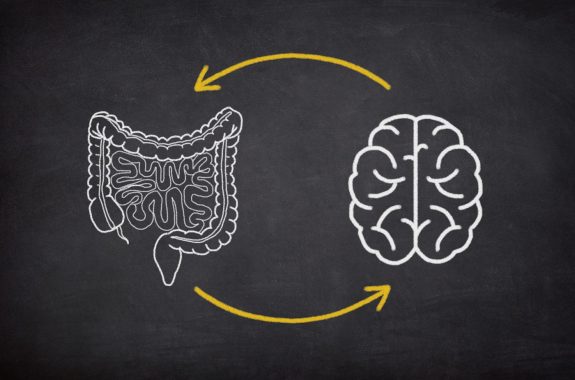
How does the gut-brain connection work?
Two experts at the forefront of untangling the gut-brain connection explain its role in IBS, Parkinson’s, and depression.
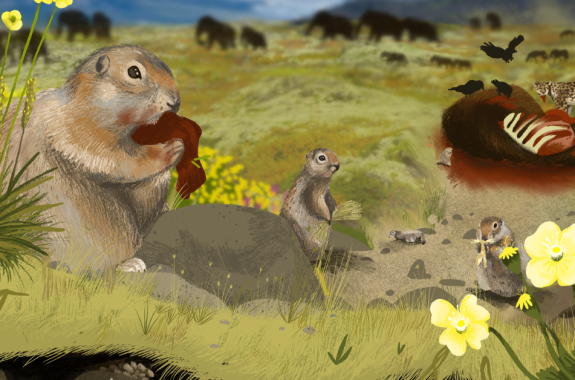
Squirrel poop drops Ice Age clues + The neuroscience of laughter
Ancient squirrel poop provides a snapshot of life during the last ice age. And, how different types of laughter originate in the brain.
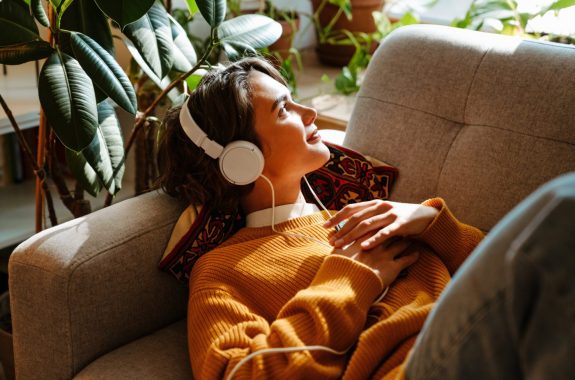
When music transports you to a different place
Musical daydreams are a phenomenon shared across humankind. What do they tell us about our brains?
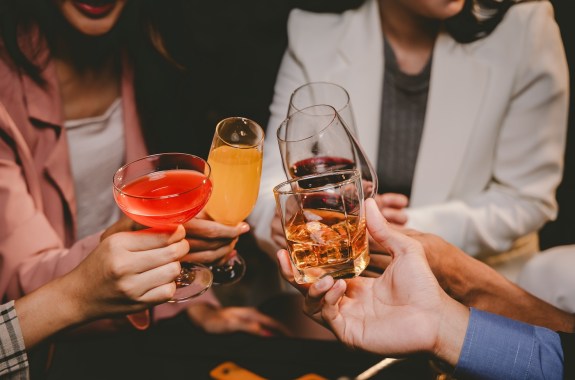
Why can I handle tequila but not rum?
Do sugary drinks really cause more intense hangovers? Is wine both bad for you and good for you? Experts take on the chemistry of happy hour.
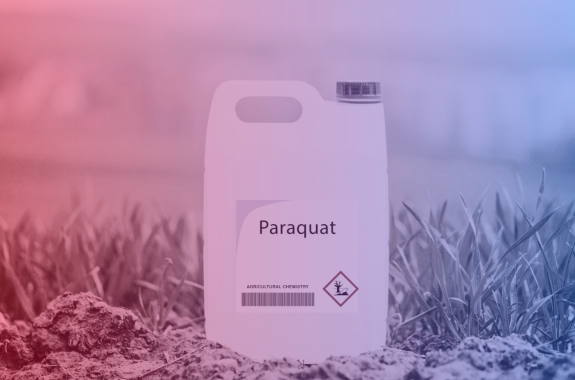
Use of herbicide linked to Parkinson’s is on the rise in the US
A processing plant in Mississippi is leaking massive amounts of paraquat into the air. Its biological link to Parkinson’s is becoming clear.

How yawning might help clear dirty fluid from the brain
Research shows yawning might help clear waste from our brains. Plus, breaking down a CDC report on how little sleep Americans are getting.
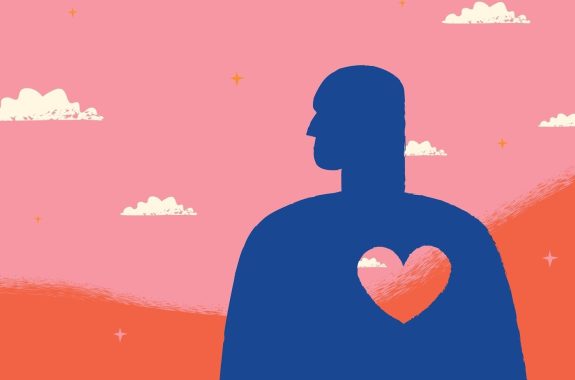
Just had heart surgery? You might get the blues
Many cardiac patients experience sadness or anxiety after leaving the hospital. Being prepared for the “cardiac blues” can make a difference.
What is ibogaine, and why is it in the news?
A recent executive order issued by President Trump aims to fast-track research for psychedelics, including ibogaine. What is it?