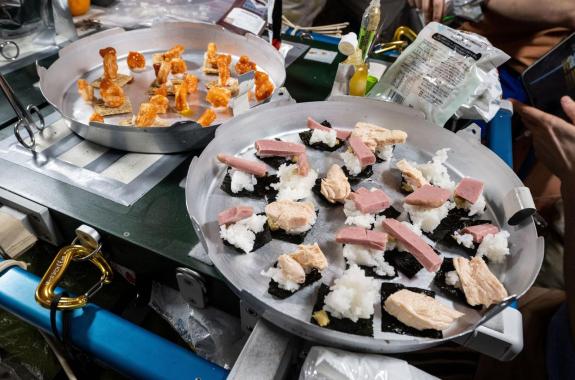
How can astronaut food be better?
As NASA plans for longer spaceflights to the moon and Mars, a better menu is important both nutritionally and psychologically.
What do we know about SSRI antidepressant withdrawal?
We revisit a 2025 conversation with two psychiatrists about what we know, and what we don’t, about SSRI antidepressant withdrawal.
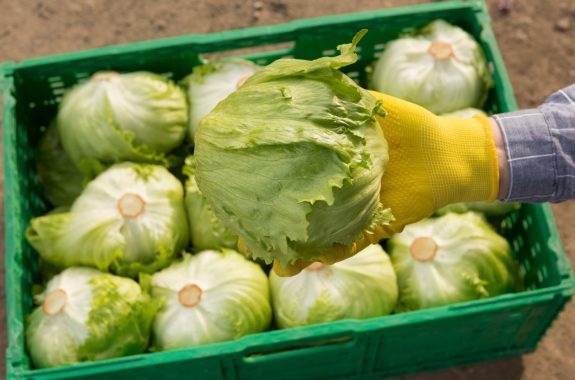
Hold the lettuce: Updates on the ‘explosive’ cyclospora outbreak
The cyclospora outbreak causing diarrhea for thousands has been linked to shredded lettuce. What’s making it so hard to pinpoint a source?
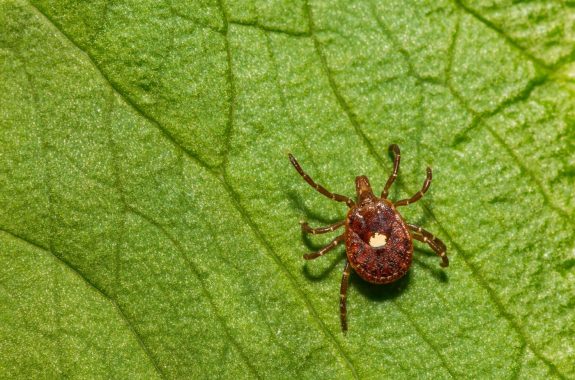
How does a tick bite cause a red meat allergy?
Cases of alpha-gal syndrome, a red meat allergy that comes from a tick bite, are climbing fast. But why does it only develop in certain people?
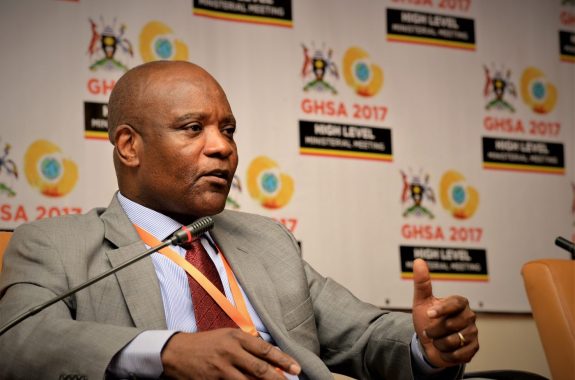
Amid shifting politics, can we build stable global health systems?
Virologist, policymaker, diplomat: Dr. John Nkengasong discusses the current Ebola outbreak, and how public health is inherently political.
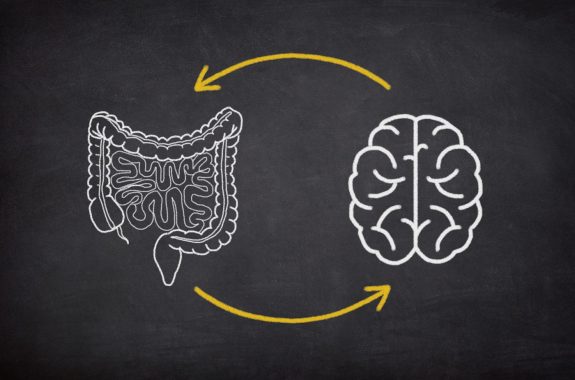
How does the gut-brain connection work?
Two experts at the forefront of untangling the gut-brain connection explain its role in IBS, Parkinson’s, and depression.

Promising new treatments for pancreatic cancer and ALS
A new pancreatic cancer drug doubles survival times. And a new treatment for a rare form of ALS slows and improves some patients’ symptoms.
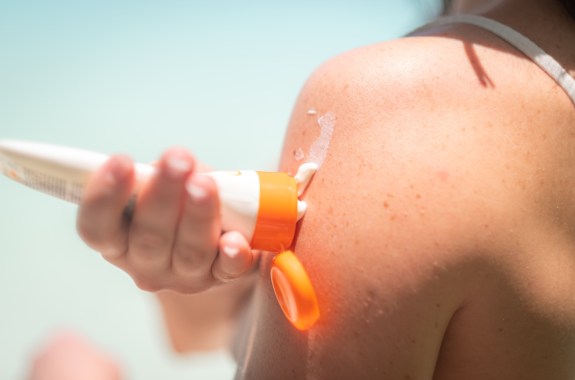
FDA approves a well-known sunscreen ingredient—finally
The FDA approved the first new sunscreen ingredient in over 20 years—one that’s long been used around the world. What took so long?
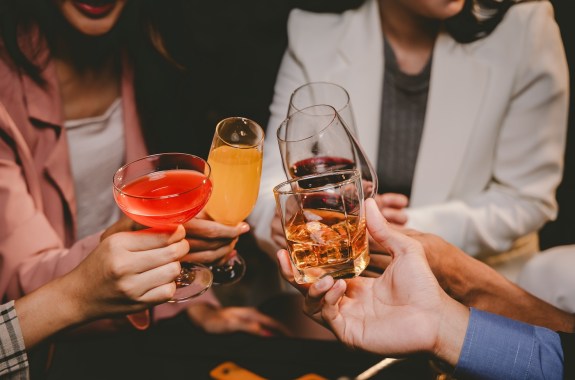
Why can I handle tequila but not rum?
Do sugary drinks really cause more intense hangovers? Is wine both bad for you and good for you? Experts take on the chemistry of happy hour.

How extreme athletes like Alex Honnold keep their cool
Everyone has stressful moments. But for some athletes, keeping calm can be the difference between life and death.