
What an mRNA melanoma vaccine may mean for cancer treatment
Moderna and Merck say an mRNA vaccine reduced melanoma recurrence in a clinical trial. Could this usher in a new era of cancer treatment?

AI is everywhere in healthcare now. Doctors are conflicted
Medical AI tools are transcribing patient visits, responding to doctors’ questions, and analyzing scans. What are the benefits—and the risks?
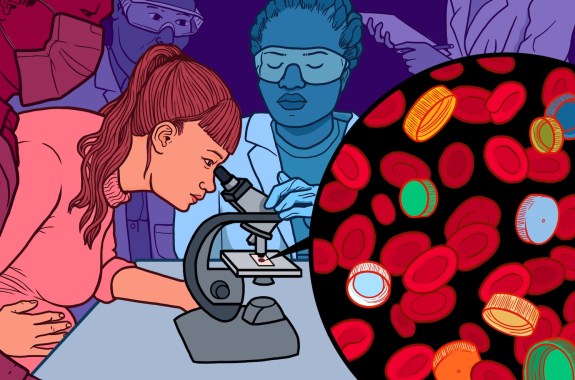
How do you figure out if microplastics are affecting pregnancy?
Microplastic researchers are trying to find answers about pressing health concerns while navigating the challenges of a new field of science.

What can moments of lucidity teach us about Alzheimer’s?
Researchers are looking into what triggers lucid episodes in Alzheimer’s patients, and what they tell us about caring for people with dementia.
What we get wrong about vaccine hesitancy
An immunologist who’s been on both sides of vaccine hesitancy talks about what drives it, what gets missed, and how to build trust.
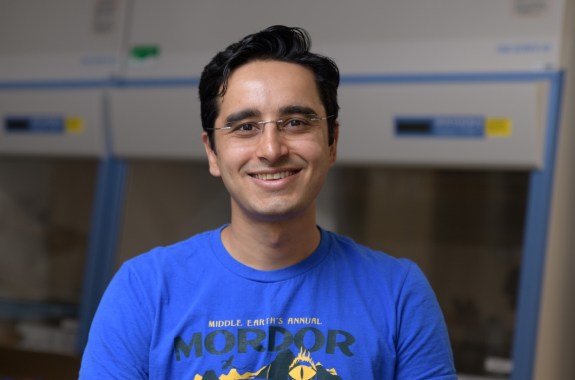
Why this lab studies the speed of bug pee and other curiosities
What do the hydrodynamics of insect pee, $1 hearing aids, and squid robots have in common? A lab organized around curiosity, not disciplines.
Sitting all day is terrible for us. Moving a little can help
Modern life involves a lot of sitting and staring at screens, and that takes a toll. Can moving for 5 minutes make a difference?
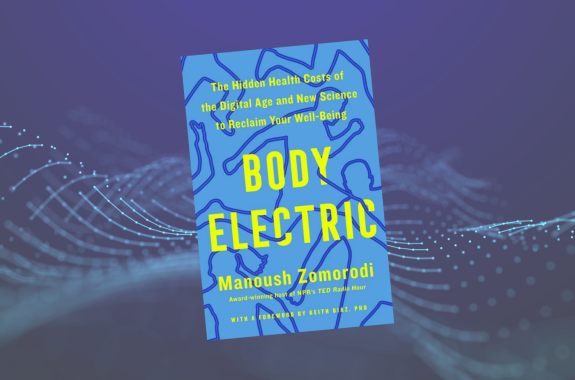
Reclaiming health and humanity in a tech-filled life
“Body Electric” examines what technology and screens are doing to our minds and bodies, and how we can reclaim our well-being.
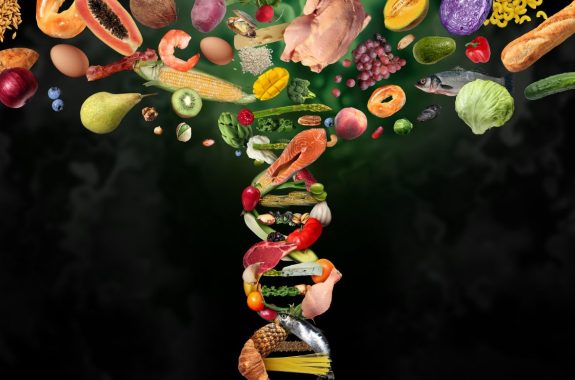
What do people eat? Plant and animal DNA in sewage provide clues
DNA signatures of plant and animal species remain behind even after they’ve been eaten, digested, excreted, and flushed down the toilet.
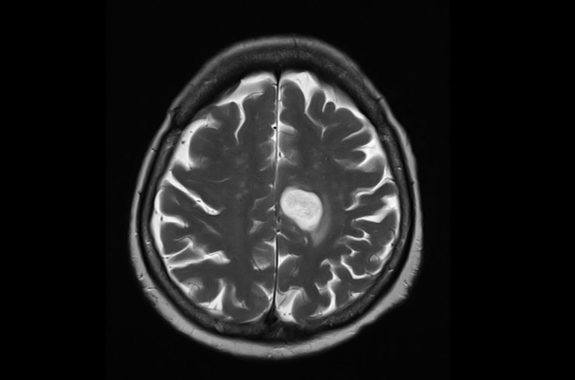
Why is brain cancer so hard to treat?
A pioneer of cancer neuroscience explains how brain cancer develops, the role of the nervous system, and what might lead to new treatments.