On Today's Podcast
Can you learn to love the scorpion?
Fossils suggest there were ancient scorpions over 3 feet long. Terrifying? Perhaps, but there's a lot to love about these arachnids.
Listen NowJune 19, 2026
The FDA approved the first new sunscreen ingredient in over 20 years—one that’s long been used around the world. What took so long? A linguist breaks down “sports announcer talk,” from inverted speech to the world-famous goal roar. What do musical daydreams tell us about our brains? Plus, a massive whale graveyard, zombie sea cucumber parts, and the case for loving scorpions.
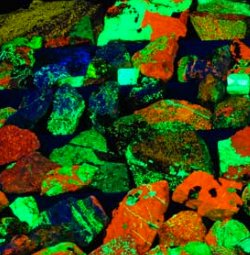
Mineral Madness
Geologists are greatly interested in minerals because they can reveal an enormous amount about the history of the geologic environment in which they are found. Geologists can classify and identify minerals by observing various properties such as streak, hardness, luster and, in some cases, fluorescence. In this activity, students will examine 10 mineral specimens and explore the different properties that minerals exhibit.
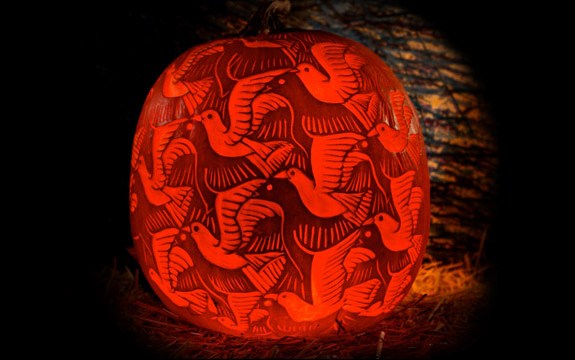
Geek My Pumpkin
Maniac Pumpkin Carvers Marc and Chris carve hundreds of pumpkins each fall, which go for a few hundred bucks and rarely end up on stoops. They gave us some tips for how to bring our pumpkins to the next level this Halloween.
Could A Lack Of Empathy Explain Cruelty?
Simon Baron-Cohen explains the consequences of decreased empathy.
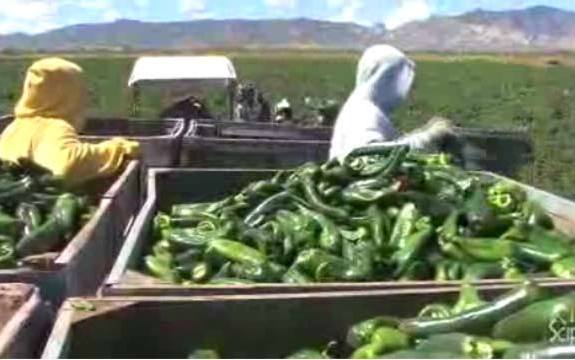
Cultivating the Perfect Chili Pepper
If you’ve had supermarket salsa, you’ve probably eaten one of Ed Curry’s chili peppers. Visit his farm and find out how the heat gets in chilis.
Termite Symbiosis
In this activity, students will sort and classify interactions between pairs of organisms under the appropriate symbiotic relationship of commensalism, parasitism, and mutualism. Then students will observe mutualism in action, as they perform a termite dissection.
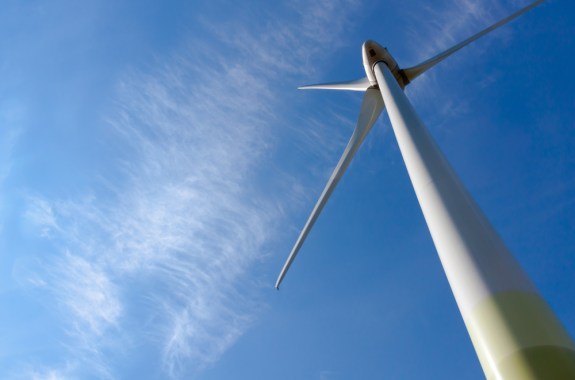
Design Your Own Wind Powered Turbine
Learn the parts of a wind turbine, build your own out of recyclable materials, and test it to determine how to harnesses the most wind.
Technology’s Odd Couple Teams Up For Science
Musician will.i.am and inventor Dean Kamen are working together to get kids interested in robotics.

Discover DNA By Making Colorful Chromosomes
Discover how human physical traits are determined by specific segments of genes, then build a simplified model of a pair of chromosomes.
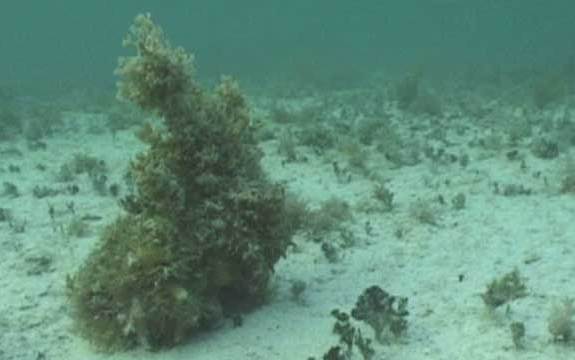
Where’s the Octopus?
When marine biologist Roger Hanlon captured the first scene in this video he started screaming.

Tending Crops On A Brooklyn Rooftop
A rooftop farm in Brooklyn grows vegetables and doubles as a green roof, insulating the warehouse below.
Creating Reservoirs Under Roads and Parking Lots
Porous pavement allows water to pass down to the water table, rather than run off into storm drains.
Brine Shrimp: Getting to Know a Salt Water Arthropod
In this activity, students will assemble a small saltwater aquarium to raise and observe brine shrimp. Then students will observe and record the growth of brine shrimp through various stages of their life cycle, and examine their various anatomical features.
Pinhole Viewer
By building their own pinhole camera, students will learn how cameras, telescopes, and their own eyes use light in similar ways.
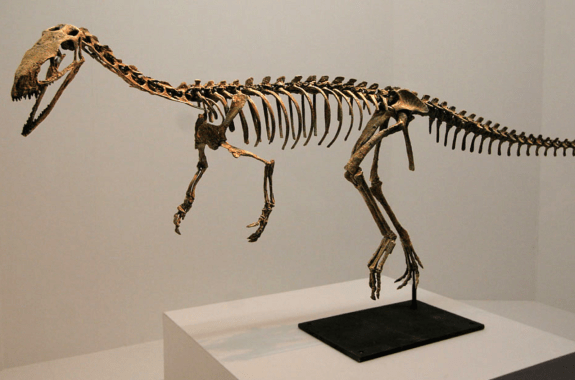
Fossil Detectives: Use Paleontology To Solve Dino Mysteries
Act like a fossil detective—or paleontologist—to observe and examine a set of fossils to classify them as body fossils and trace fossils.
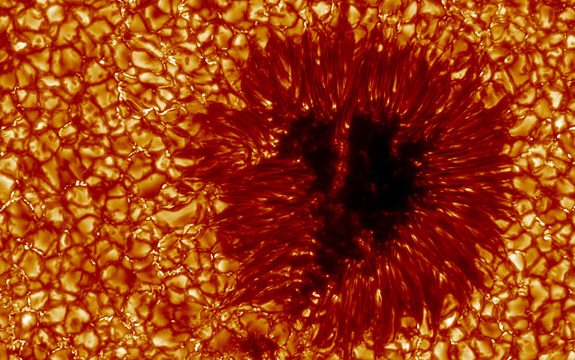
Solar Spotting
Using the Swedish Solar Telescope, a ground-based observatory, Goran Scharmer and colleagues probe the penumbra—that’s the stringy structure around the perimeter of the dark part of the sunspot.
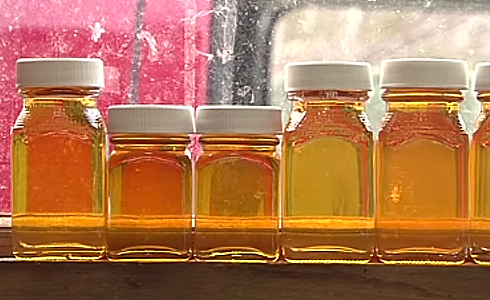
Delicious Smelling Chemistry
Use household materials to investigate and explore your ability to smell an odor, then compare and contrast results to determine if some individuals have a better sense of smell than others. Observe the Maillard reaction and how different odor molecules are released into the air.

Desktop Diaries: Michio Kaku
Theoretical physicist and futurist Michio Kaku takes us on a tour of his office, where he writes his bestsellers and records his radio shows.
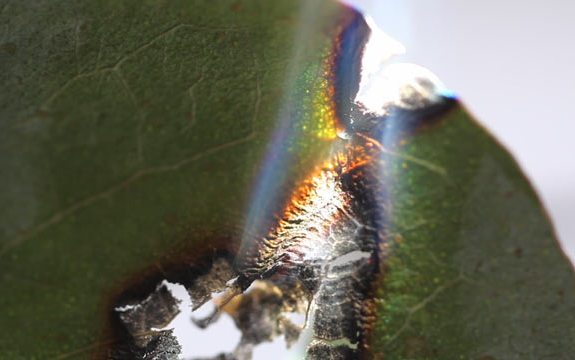
Magnified Sun Burns
At the right angle, a magnifying glass will concentrate sunshine into a burning hot circle.
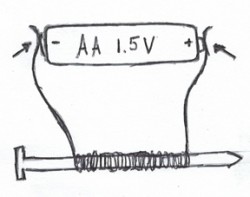
Make a Speaker
In this activity, students will learn how an electromagnet works by making a simple one. Using this knowledge, students will design a diagram to make a working speaker using household materials. Then students will follow instructions on one method of making a speaker, and test their own designs to compare results.
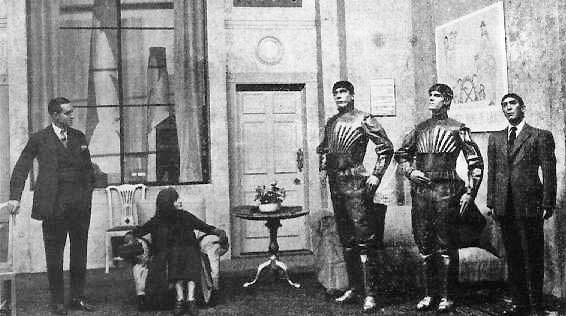
The Origin Of The Word ‘Robot’
‘Robot’ was the brainchild of the Czech playwright Karel Čapek, who introduced it in a 1920 play.