On Today's Podcast
Why are we changing the way we keep time?
Timekeeping scientists around the world voted to stop using leap seconds, but what does this mean for us?
Listen NowOctober 23, 2026
CRISPR pioneer Jennifer Doudna discusses the evolution of gene-editing technology and what it takes to be a good scientist. Timekeepers around the world voted to stop using leap seconds, but what does that mean for us? Plus, how "problem bears" help test engineers evaluate consumer products, author Kazuo Ishiguro on emotional truth in our age of AI, and the science of apple varieties.
5:50
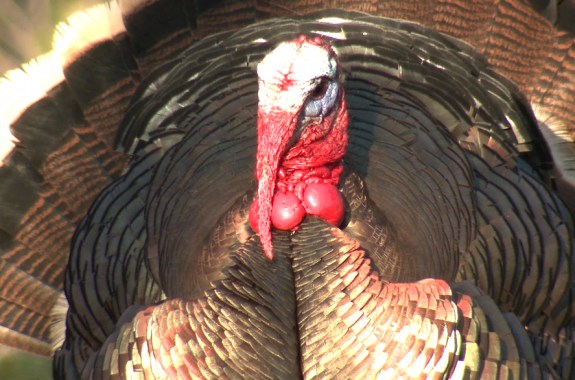
‘Hot’ for Turkey
Female wild turkeys parse the courtship performances of males to determine their genetic potential.
11:41
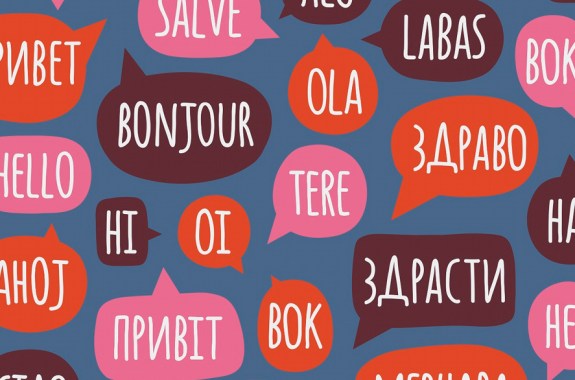
Ghosts of Early Language May Linger in the Brain
Chinese adoptees living in Canada, who now speak only French, still process Chinese sounds as native speakers do, even if they have no conscious recall of word meaning.
27:43
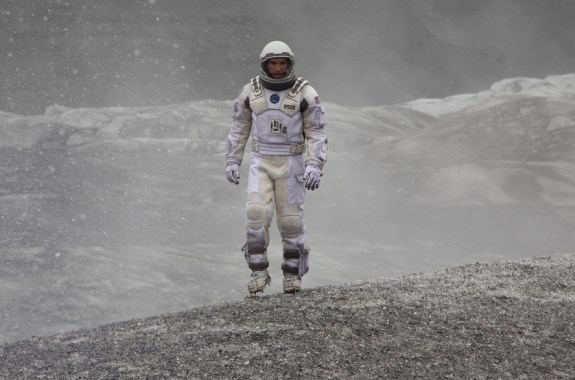
Into The Wormhole: The Science Of ‘Interstellar’
It’s a sci-fi epic set among black holes, wormholes, and tesseracts. But director Christopher Nolan and physicist Kip Thorne say “Interstellar” doesn’t break the laws of physics.
11:58
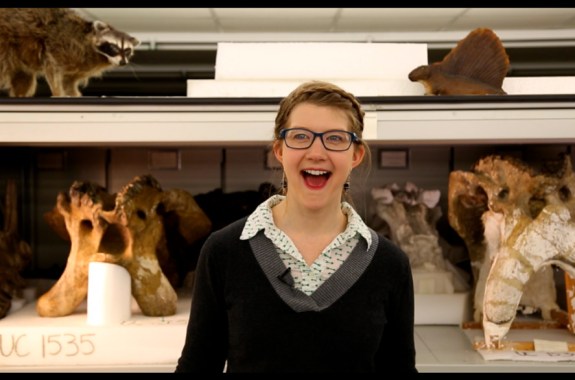
Meet The Brain Scoop’s Emily Graslie
YouTube science star Emily Graslie takes viewers behind the scenes of natural history museums with “The Brain Scoop.”
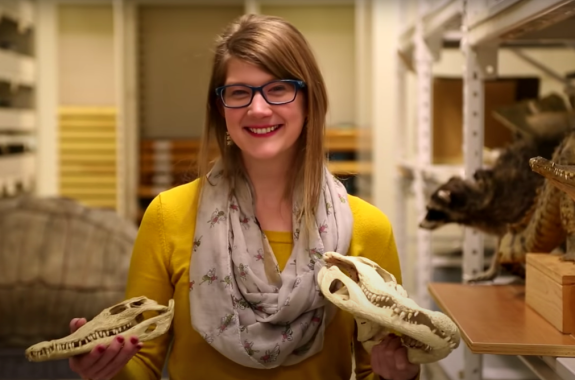
Q&A With Emily Graslie
More with the Field Museum’s Chief Curiosity Correspondent and host of the “The Brain Scoop” on YouTube.
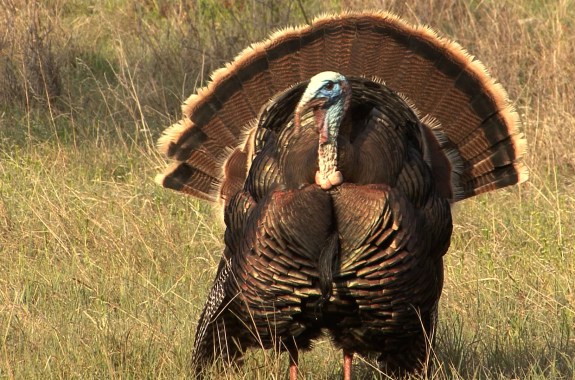
‘Hot’ For Turkey
Female wild turkeys parse the courtship performances of males to determine their genetic potential.
Green Politics
How will the midterm election results, climate change “debate,” and trends in renewable energy affect the 2016 election?
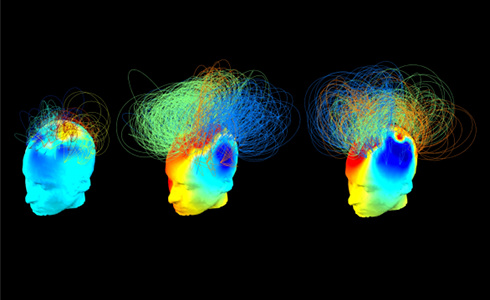
Awareness in a Damaged Brain
While people in a vegetative state appear physically unresponsive, a new study reveals that some might be aware to a degree.
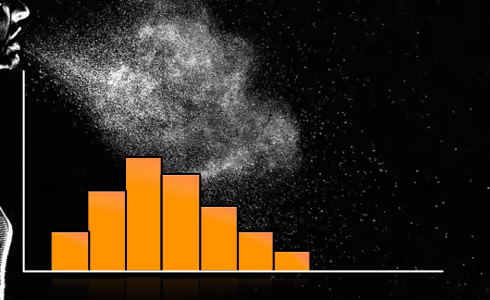
Snotty Plots: How Do You Graph A Sneeze?
Simulate a sneeze with paint, then graphically determine where most of it lands.
11:47
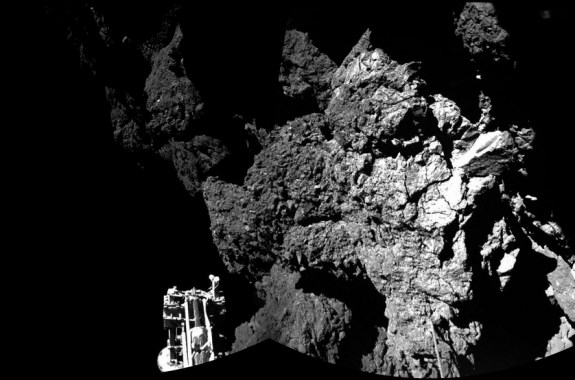
The First Touchdown On A Comet
The European Space Agency’s Philae lander is the first probe to touch down on a comet.
17:27
Lacking Funding, Some Scientists Turn to the Crowd
Scientists frustrated by a lack of research dollars are turning to crowdfunding.
16:53
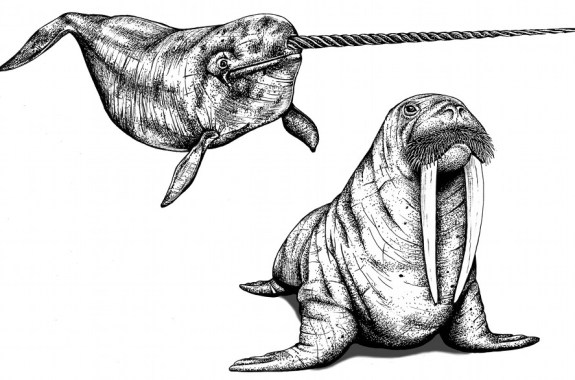
Horns, Claws, and Teeth: The Animal Weapons Arms Race
Doug Emlen, author of “Animal Weapons,” unpacks the evolutionary arms race that pushes horns, claws, teeth and other animal defenses to the extreme.
18:13
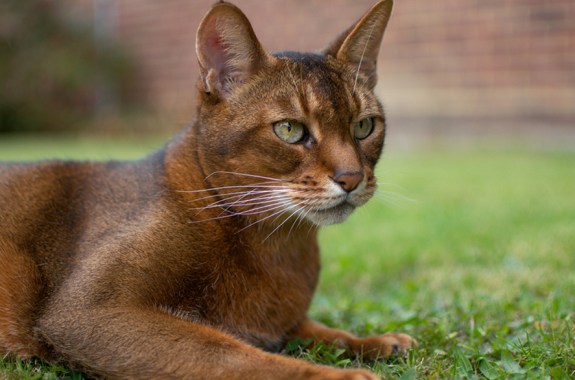
Here Kitty, Kitty: The Genetics of Tame Animals
Researchers discuss the possible genetic underpinnings that make certain cats and rats tame.
10:41
Mining Wikipedia Data to Track Disease
By analyzing access to specific health-related pages on Wikipedia, researchers may be able to identify—or even forecast—potential disease outbreaks.

17:06
‘New Environmentalism’ Moves Beyond Pollution and Climate Change
Gus Speth, a longtime Washington insider, says it’s time to consider consumerism, economic instability, and a functional democracy as core environmental issues.
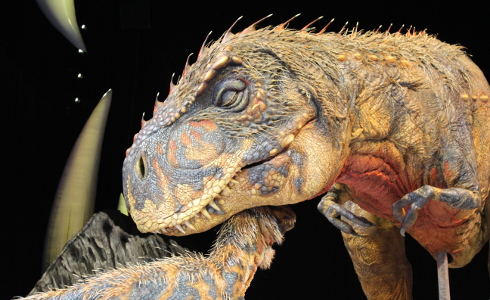
How to Build a Dinosaur
The puppets in the live stage production “Walking With Dinosaurs” evoke a convincing “dino-ness.”

Where Do We Go From Here? Environmentalism, at a Crossroads
An excerpt from James Gustave Speth’s memoir “Angels by the River.”
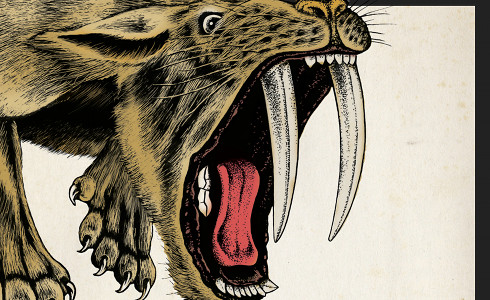
From Antlers to Tusks: Our Obsession With Extreme Animal Weapons
An excerpt from “Animal Weapons.”
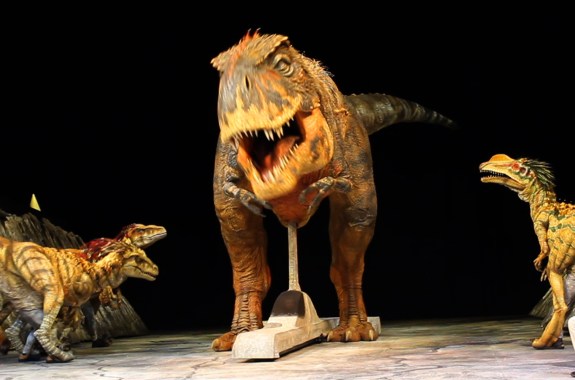
I’m Not a Dinosaur, I Just Play One on Stage
A behind-the-scenes look at how the cast and crew of “Walking with Dinosaurs – The Arena Spectacular” brings life-size dinosaurs to life in an theatrical setting.