On Today's Podcast
Underwater archeology reveals clues about Ice Age humans
At the end of the last ice age, glacial melt inundated human settlements near shorelines. Underwater archeologists are uncovering their artifacts.
Listen NowSeptember 18, 2026
Hawaiʻi has generally been safe from the worst effects of hurricanes. But this year, two hurricanes battered the islands in a matter of weeks. A new wellness trend focuses on stimulating the lymphatic system. What does this system do, and is there science to back these claims? Plus, perimenopause science, our fascination with lost knowledge, and a snake's spider-like tail appendage.
16:44
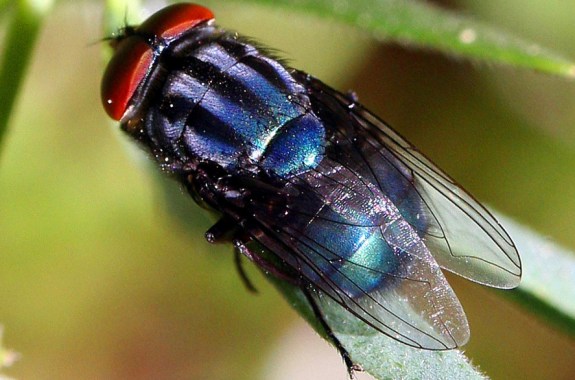
Forensic Entomologists Hunt Down Insects to Help Catch Criminals
To help piece together a crime scene, forensic entomologists examine the insects found in the area.
10:38
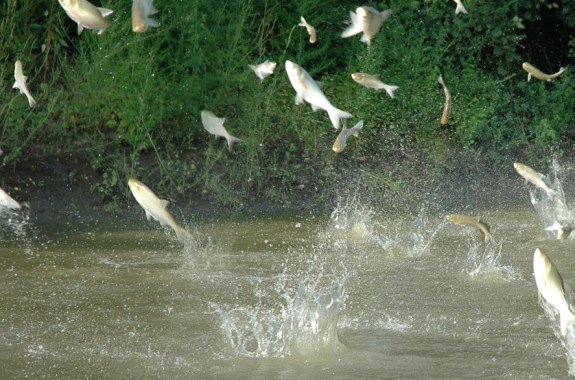
Environmental Detectives Use Genetic Tools to Track Invasives
A recently developed technique called “environmental DNA” allows invasive species trackers to get a time-sensitive fingerprint of which species are living where—including underwater.
11:07
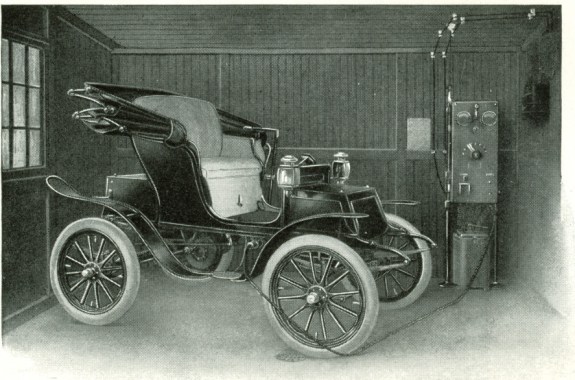
The ‘First’ Battle of Gas Versus Electric
As plug-in electric vehicles struggle to carve out a slice of today’s auto market, it’s worth remembering the first such battle—at the turn of the 1900s.
15:01
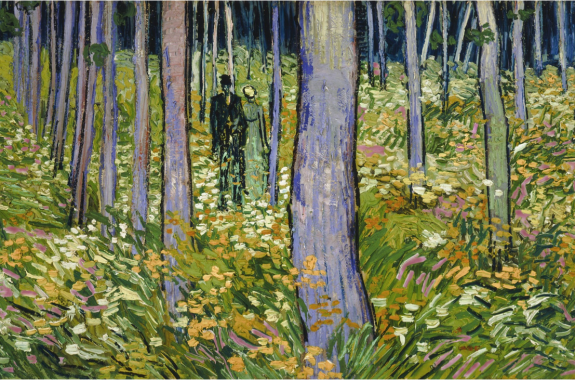
Is Your ‘Priceless’ Painting a Fake? Better Ask a Scientist
Techniques from physics and chemistry can help scientists and art historians sniff out art forgeries.
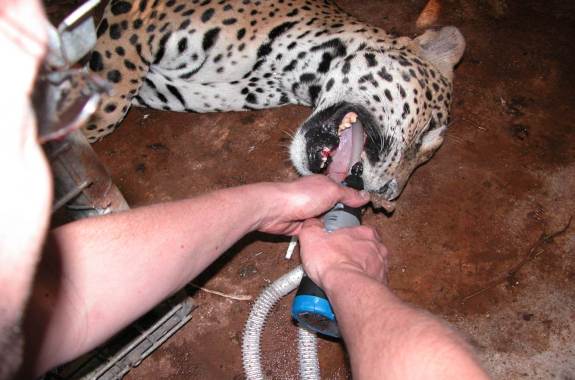
A Jaguar Needs a Root Canal? The Dentist Is In
Veterinary dentist Brook Niemiec treats an ark of animals, from man’s best friend to lions, tigers, and bears.
#ObserveEverything: Staff Picks, Week #3
A class keeps tabs on fruit decomposition, someone spies mystery in a lake, and a hiker sits down with an ant.

11:45
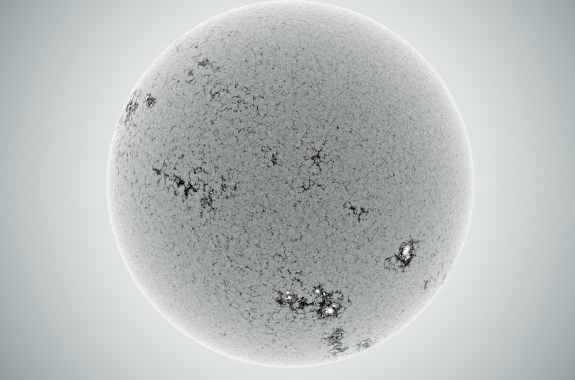
Taking the Temperature of Rising Seas
Researchers are trying to better understand ocean water temperatures, which is an important factor in rising sea levels.

27:42
Atul Gawande: On Being Mortal
In his book “Being Mortal,” surgeon Atul Gawande argues that more medicine may not be better medicine in end-of-life care.

6:04
How to Make Quark Soup
Brookhaven National Laboratory cooks up tiny ephemeral batches of quark-gluon soup that are said to be the most “perfect” fluid ever discovered.
12:04
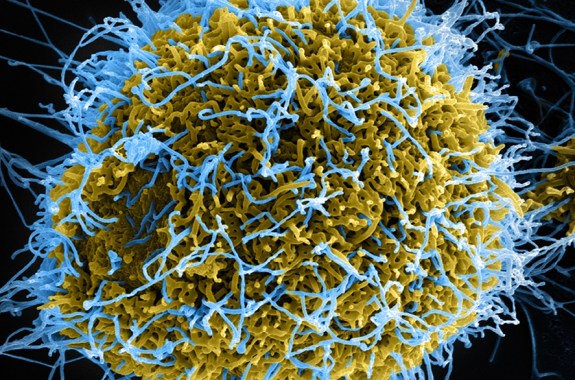
The Race to Contain, Rather Than Cure, Ebola
With production of experimental treatments slow-going, rapid diagnostic testing could be the best bet for containing the ongoing Ebola outbreak.
7:23
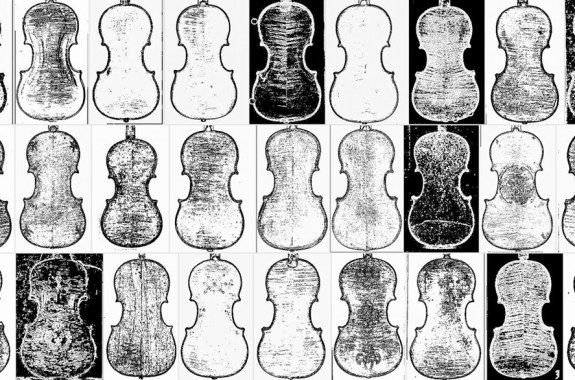
How Did the Violin Get Its Shape?
From its role in biological systems to cultural products, “shape is information that can tell us a story,” says biologist Dan Chitwood.
10:10
Your Home, Your Bacteria
The surfaces in a home reflect the distinct blend of bacteria that inhabit the people that live there.
17:08
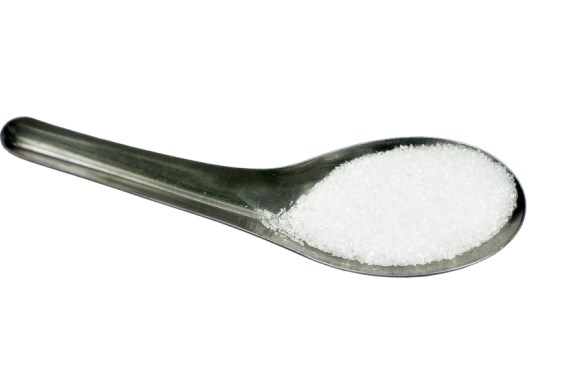
Is MSG Bad for Your Health?
Four decades of scientific studies suggest the food additive MSG may not deserve its toxic reputation.
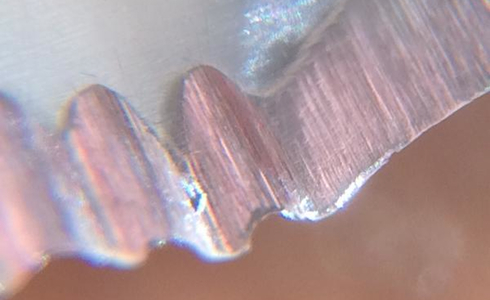
#ObserveEverything: Staff Picks, Week #2
A celestial event, citizen science, and a variety of natural wonders drew observations in week 2 of Science Friday’s Science Club.
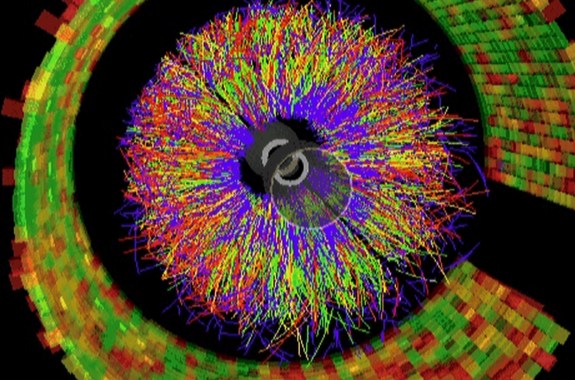
How to Make Quark Soup
Using massive feats of engineering, Brookhaven National Laboratory has devised a recipe for cooking up tiny ephemeral batches of this quark-gluon soup, a fluid which physicists Paul Sorensen say is the most “perfect” fluid ever discovered.
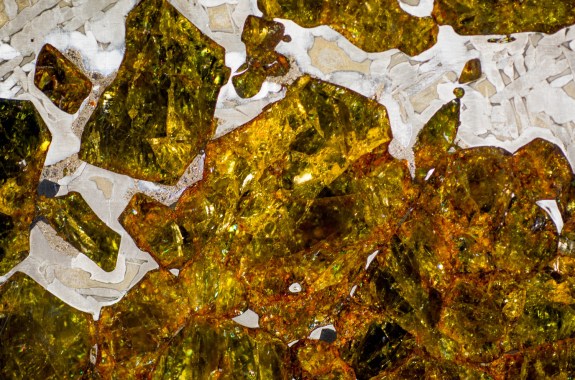
Fukang Pallasite: One of the Rarest Types of Meteorite
This rare type of meteorite offers insight into asteroid formation, as well as earth’s geologic processes.
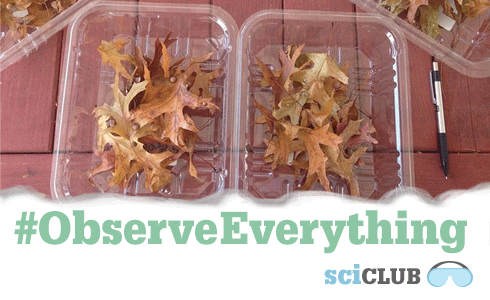
#ObserveEverything: Staff Picks, Week #1
We observe: you’re amazing! Staff picks from the first week of Science Club’s #ObserveEverything
12:08
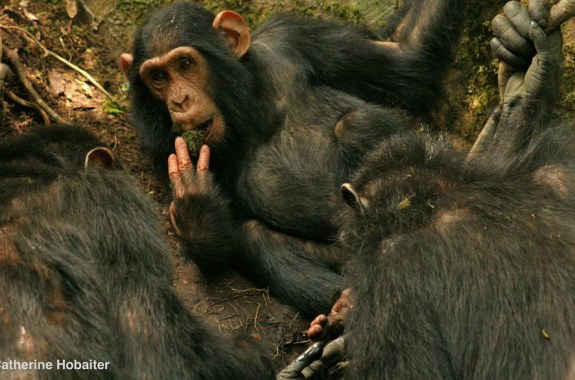
Do Chimps Have Culture?
Researchers say a real-world case of ‘monkey see, monkey do’ might model the origins of human culture.