On Today's Podcast
Why are we changing the way we keep time?
Timekeeping scientists around the world voted to stop using leap seconds, but what does this mean for us?
Listen NowOctober 23, 2026
CRISPR pioneer Jennifer Doudna discusses the evolution of gene-editing technology and what it takes to be a good scientist. Timekeepers around the world voted to stop using leap seconds, but what does that mean for us? Plus, how "problem bears" help test engineers evaluate consumer products, author Kazuo Ishiguro on emotional truth in our age of AI, and the science of apple varieties.
12:26
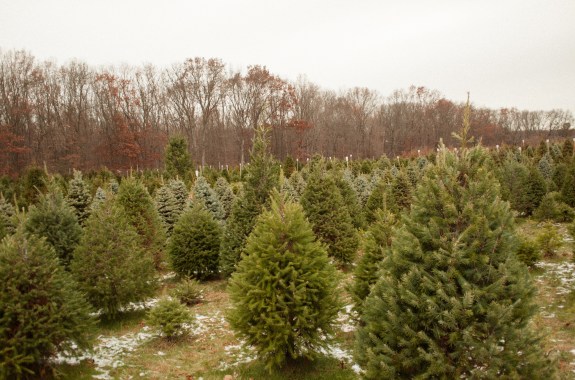
Does Your Christmas Tree Have Good Genes?
Scientists are studying the environmental and genetic factors that cause Christmas trees to drop their needles.
8:38
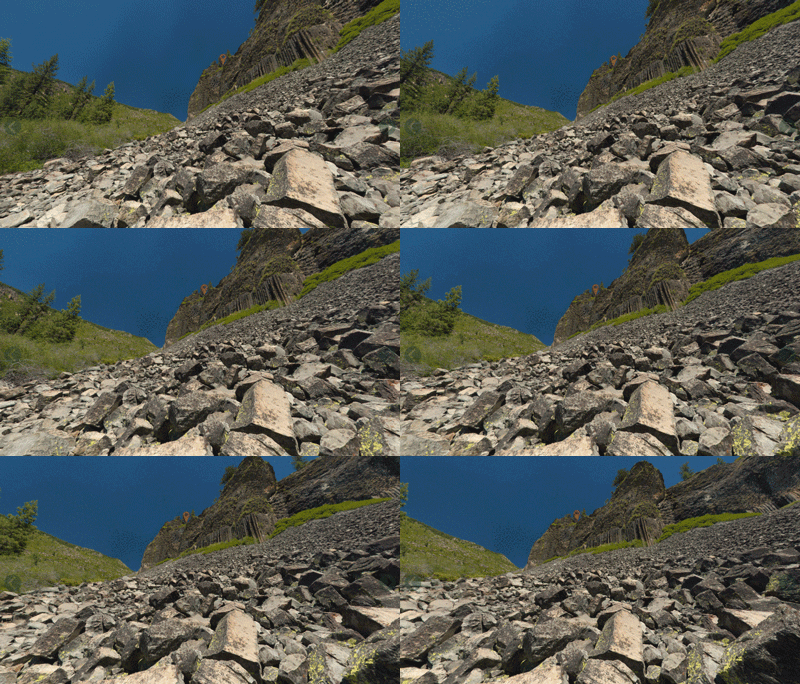
Exploring Geologic History With a Virtual Field Trip
An interactive tour by a geology educator invites visitors to examine rock details and explore earth’s history.
7:42
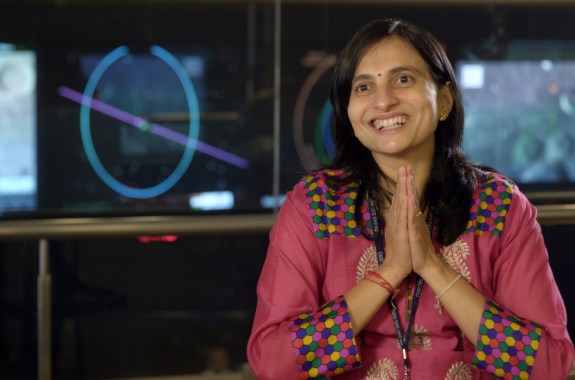
How India Made it to Mars on the First Try
Although Mars is one of our closest planetary neighbors, it has foiled many space-faring nations wishing to explore it.
34:33
How Sexual Harassment and Bias Undermine Women’s Access to Scientific Careers
What will it take to bring true equity to research labs?
Embark On A 360-Degree Geologic Expedition
Learn how to decipher some of the physical processes that shaped the land structure, or “geomorphology,” of parts of California in this virtual field trip.
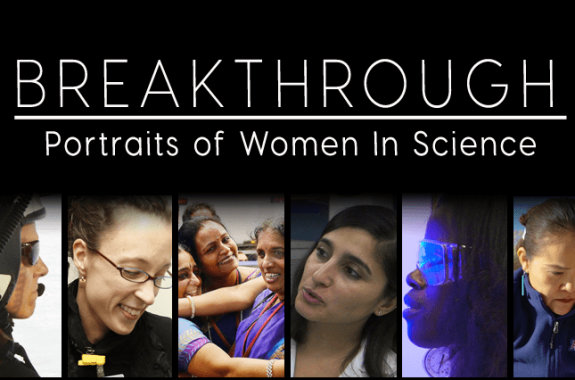
Breakthrough: Portraits Of Women In Science
Explore our short film anthology that follows women working at the forefront of their fields.
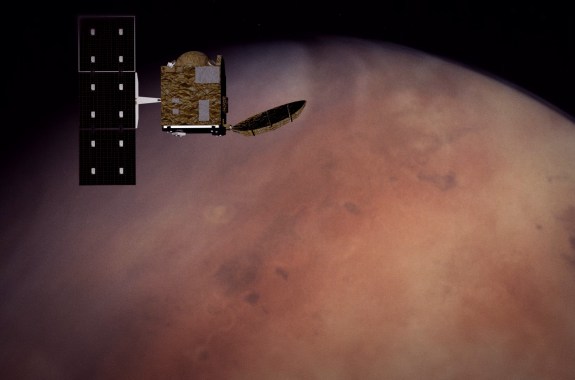
Breakthrough: Snapshots from Afar
In the second episode of Science Friday and HHMI’s series “Breakthrough: Portraits of Women in Science,” three scientists share stories about India’s first interplanetary mission—a mission to Mars.
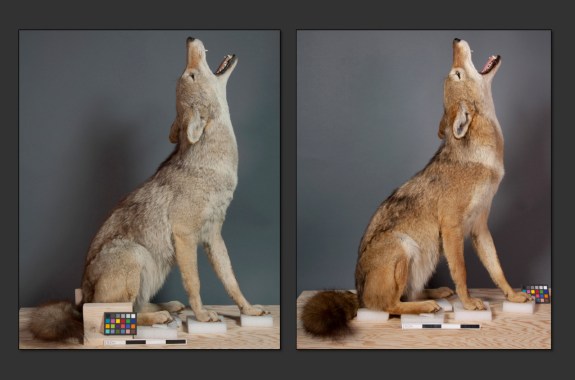
Bringing Color Back To The Dead
Conservators at the American Museum of Natural History are experimenting with how to recolor fading taxidermy displays.
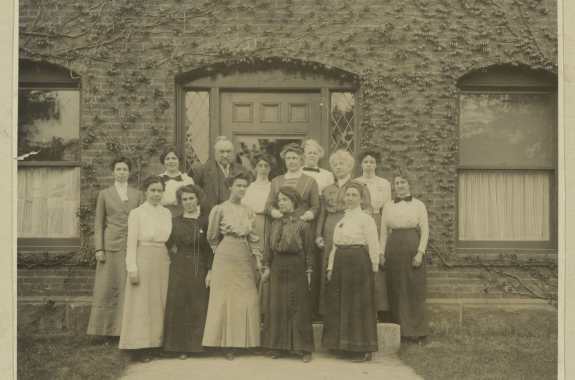
The Stars Behind Our Stellar Classification System
Author Dava Sobel explains how a group of women astronomers helped develop the classification system that scientists use to identify stars today.
7:17
The Fate of Kratom, Hidden Oil Spills, and Celebrities of Science
Will the DEA ban a potentially promising drug for treating opioid addiction?

5:00
The Cost of Co-Pay Drug Coupons
Co-pay drug coupons can provide a discount for prescription medicines, but can carry a steep price in the long term.

17:30
An Exit Interview With U.S. Chief Data Scientist DJ Patil
What will be the legacy of the Obama administration’s “big data” programs?
17:10
How You—and the Science Club—Broke It Down
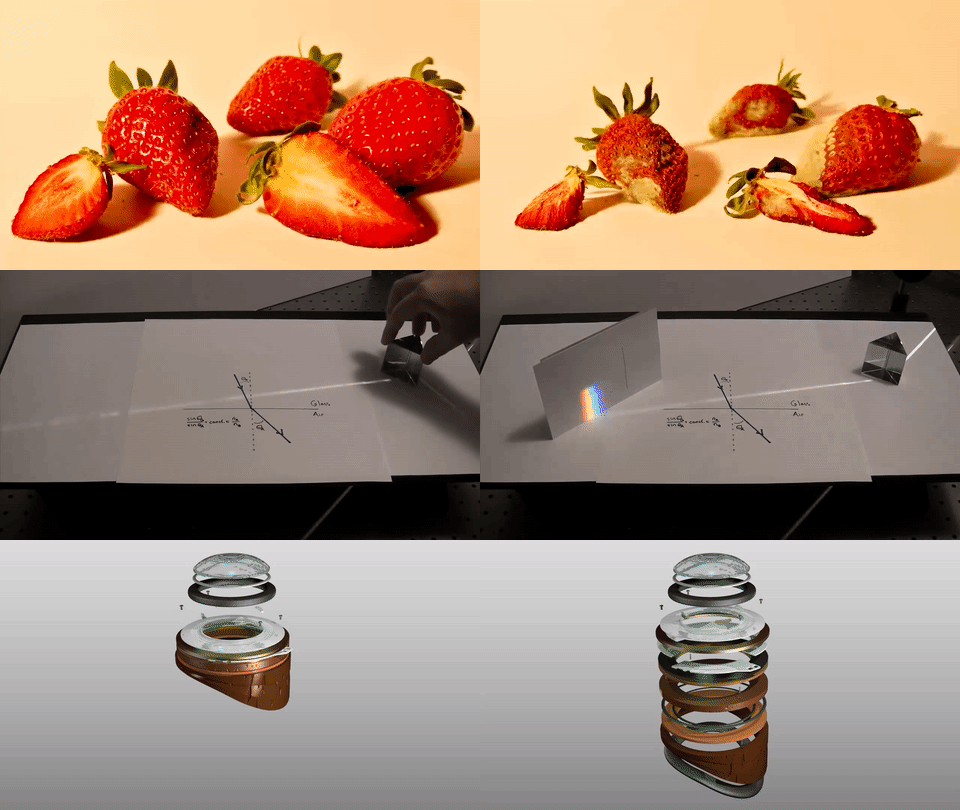
The Science Friday Science Club meets to wrap up their latest project, devoted to the idea of disassembly.

12:22
21st Century Cures Act Will Hasten Drug Approval
Patient advocates say the Act will get life-saving new drugs to patients faster. But critics contend that looser FDA regulations will raise the number of unsafe and ineffective drugs that make it to consumers.
16:43
The Female Astronomers Who Captured the Stars
At the beginning of the 20th century, a team of female astronomers at the Harvard College Observatory worked to classify the stars.
17:22
Views From Aloft: The Art of Space Photography
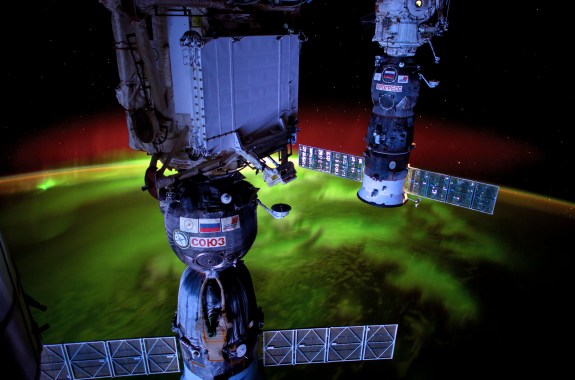
Astronaut Don Pettit has taken hundreds of thousands of photos from the International Space Station.
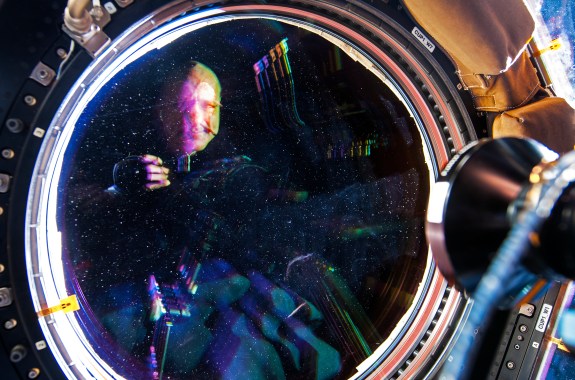
Space, Seen Through A Window
Astronaut Don Pettit has taken thousands of mesmerizing images during his three missions to the International Space Station.
7:41
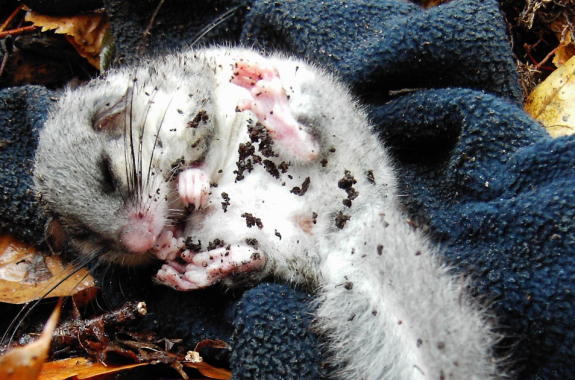
Dormouse Telomeres and Cat Tongues
Most animals’ DNA shortens with age, but scientists are studying an animal that increases its genetic strands as it grows older—the dormouse.
4:20
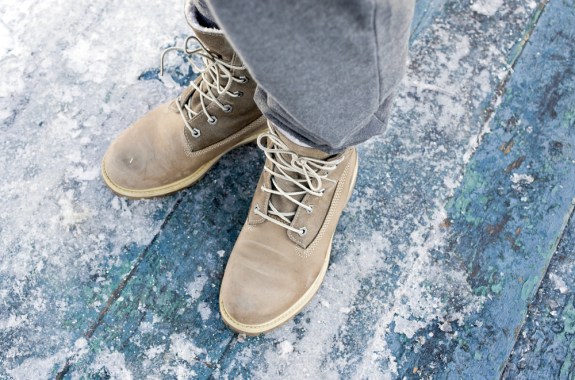
Not All Soles Are Created Equal
Boots made for extreme winter weather may be easily succumb to an icy sidewalk.
27:44
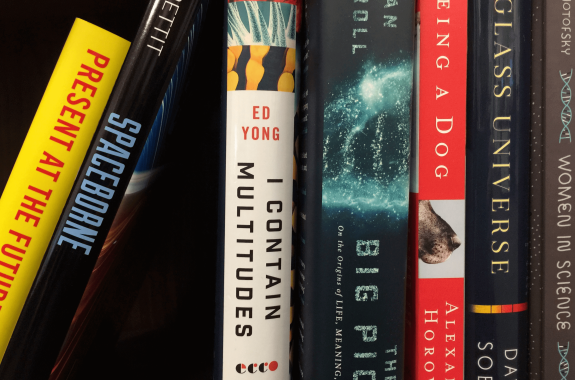
The Best Science Books Of 2016
Time travel, microbes, black holes, and polar bears.