On Today's Podcast
Isabella Rossellini on how acting connects to animal cognition
Should we anthropomorphize animals or not? An actor and an ecologist share what they’ve learned about animal cognition.
Listen NowOctober 23, 2026
CRISPR pioneer Jennifer Doudna discusses the evolution of gene-editing technology and what it takes to be a good scientist. Timekeepers around the world voted to stop using leap seconds, but what does that mean for us? Plus, how "problem bears" help test engineers evaluate consumer products, author Kazuo Ishiguro on emotional truth in our age of AI, and the science of apple varieties.
7:28
Malnutrition, and a Battle of the Microbiota
Is malnutrition due to more than just a lack of access to quality food? A “battle of the microbiota” taking place in the gut may play a significant role in health.
26:37
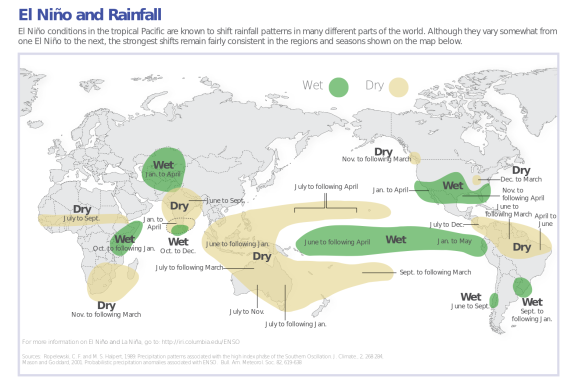
What El Niño Means for Other Parts of the Planet
El Niño’s atmospheric influence is global, affecting fish stocks off Peru and potentially driving up malaria deaths in East Africa.
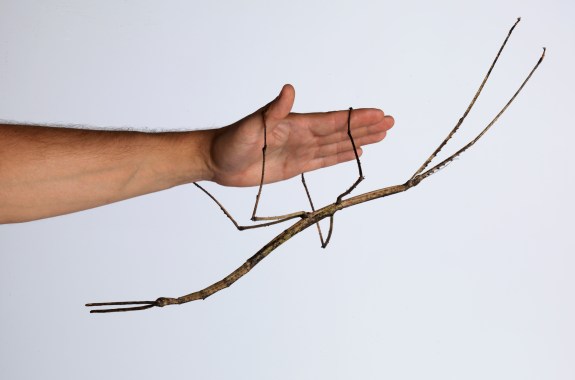
Behold, The Gargantuan Stick Insect
Only three female Ctenomorpha gargantua stick insects have ever been seen in the wild.
The Week-After SciFri Quiz! 2/16/16
Did you listen closely to the big news about gravitational waves?
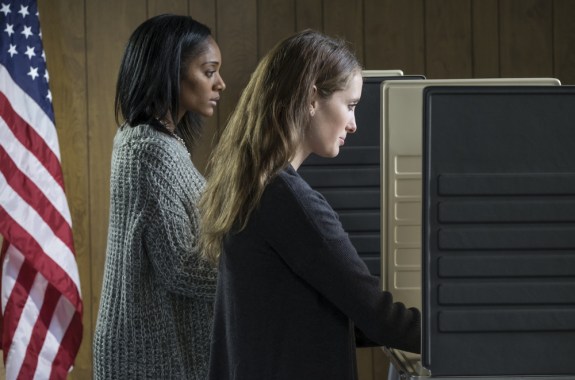
What Party Affiliation Could Mean for Your Future Marriage or Job
The biggest social divide might not be race or religion, but rather political affiliation.
11:58
Hidden Galaxies, Sigh Science, and Facebook’s Free Basics
Researchers using a radio telescope found hundreds of galaxies hiding behind the Milky Way.
11:51
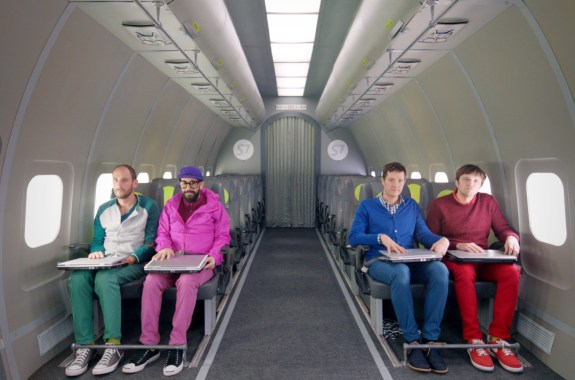
Launching the Latest OK Go Video in Zero-G
The band OK Go choreographed their latest video in zero-G.
16:48
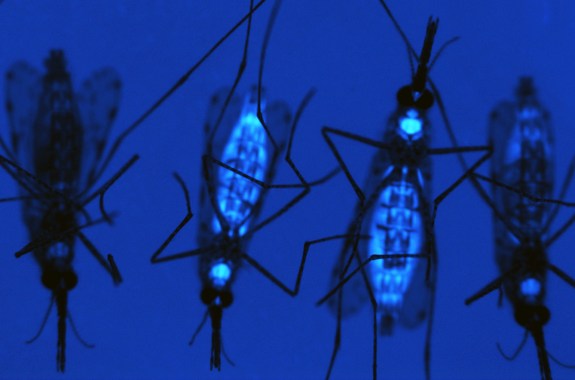
Could Genetically Engineered Insects Squash Mosquito-Borne Disease?
Scientists have been able to genetically engineer malaria-resistant mosquitoes. But is it ethical to release them into the wild?

26:54
The SciFri Book Club Talks Oliver Sacks’ ‘On the Move’
After three weeks reading “On the Move,” the SciFri Book Club is back to discuss Oliver Sacks’ autobiography.

6:36
Behind the Bouba-Kiki Effect
In study after study, 90 percent of people agree: A pointy shape is named “Kiki” and a rounded shape is “Bouba.”
17:20
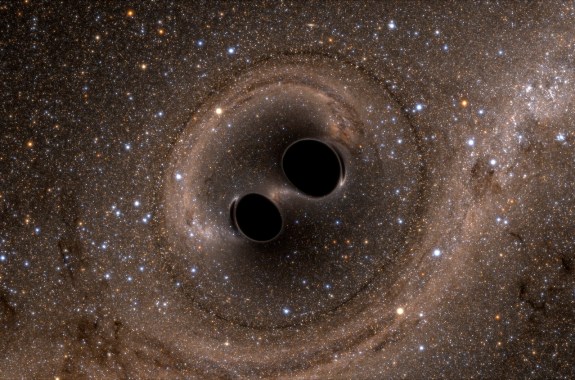
Century-Long Search Leads to Landmark Gravitational Wave Discovery
For the first time, scientists have directly detected gravitational waves—the last unproven part of Einstein’s theory of general relativity.

What Is Face Blindness?
Face blindness, or prosopagnosia, is more than just “being bad with faces.”
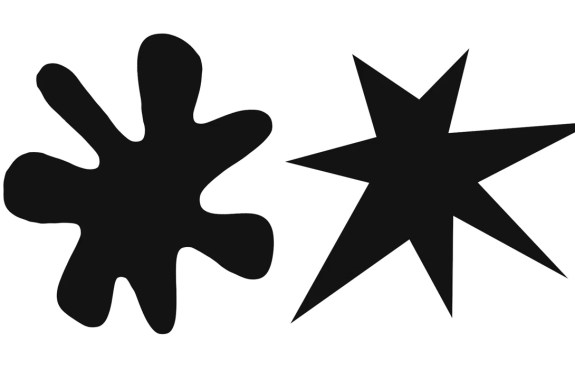
The Bouba-Kiki Effect
In most scientific research, upwards of 90% of people will associate a pointy polygon with “kiki” and a rounded amoeboid with “bouba.”
The Emotive Power of Voice
New research reveals how emotions conveyed by our own voice influence our moods.
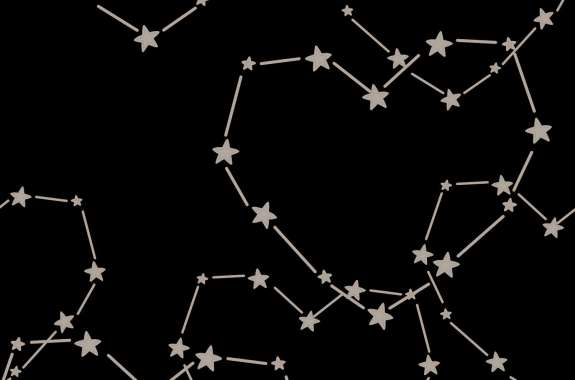
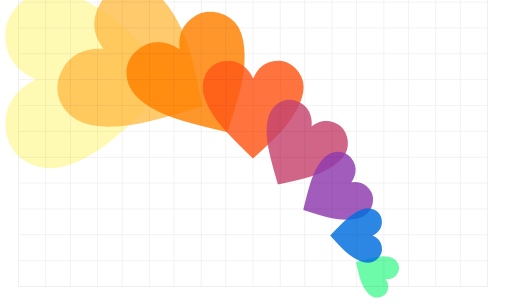
Make A Mathy Valentine
Spice up your valentines this year by using a little geometry to create consistent hearts and captivating patterns.
Why Are These Scientists Drilling Through the Ocean Floor?
A research team hopes they’ll find a biosphere beneath the earth’s crust.
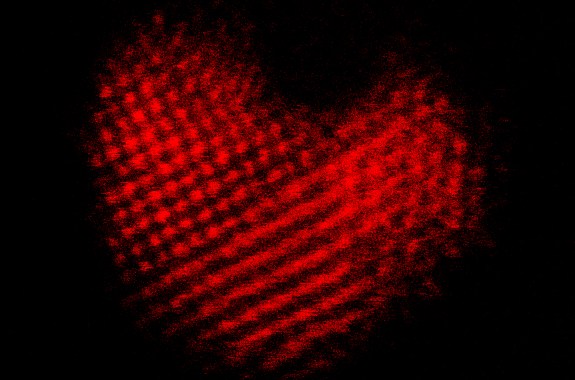
Valentine’s Day Science
There’s chemistry in the air…here’s a look at animal mating behaviors, wine psychology, and more romantic science.
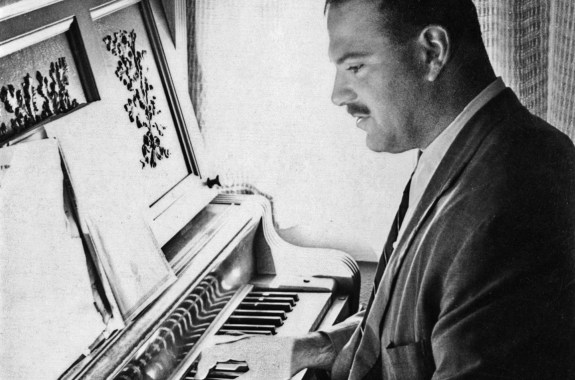
An ‘On the Move’ Playlist
Add some musical accompaniment to your reading of Oliver Sacks’ “On the Move” with these Sacks-inspired tracks, curated by Brain Pickings’ Maria Popova.