On Today's Podcast
What was life like for Tyranossaurus rex?
T. rex may be the most famous prehistoric predator, but their life wasn’t always bone-snapping chomps and food chain scaremongering.
Listen NowOctober 23, 2026
CRISPR pioneer Jennifer Doudna discusses the evolution of gene-editing technology and what it takes to be a good scientist. Timekeepers around the world voted to stop using leap seconds, but what does that mean for us? Plus, how "problem bears" help test engineers evaluate consumer products, author Kazuo Ishiguro on emotional truth in our age of AI, and the science of apple varieties.
11:52
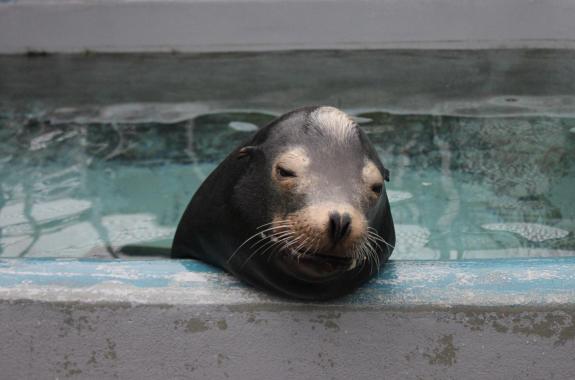
Stranded Sea Lions, Warming Lakes, and Floating Schools
Sea lions struggle to navigate after domoic acid exposure, and communities around the world try to innovate in the face of climate change.
21:56
Backing Up the World Wide Web
The average lifespan of a web page is 100 days. How can we archive quickly changing web and digital content?
10:32
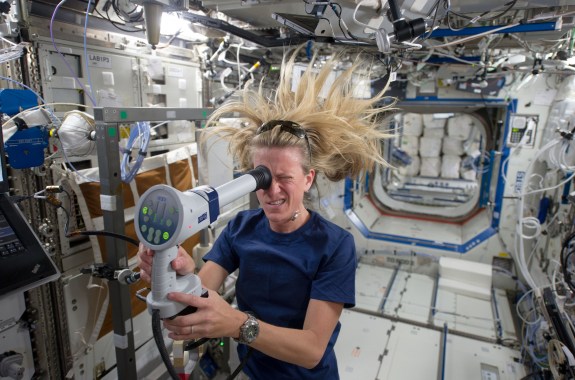
So You Want to Be an Astronaut?
As NASA begins “astronaut candidate” selection, Administrator Charles Bolden explains what it means to have the “right stuff.”
12:00
What If There Were Webcams in ‘Home Alone’?
CNET editor Ry Crist discusses the increasing options of do-it-yourself security devices.
17:14
Do Scientists Have the Duty to Speak Out?
The popular anti-terrorism slogan, “If you see something, say something,” asks citizens to speak up if they see a potential threat. But does that apply to scientists?
7:19
Cell Implant Treats Inflammation Before It Starts
Designer cells detect inflammatory compounds that foreshadow an autoimmune attack, pumping out anti-inflammatory compounds in response.
9:06
Keeping Tabs on ‘Hate’ Through Google Searches
Google searches could gauge public sentiment on controversial views that polls and surveys can’t always measure.
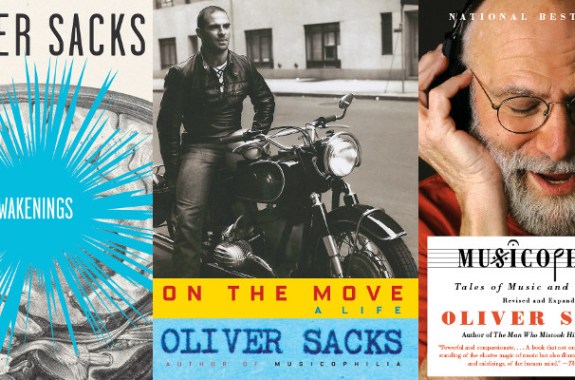
Motorcycles, Music, and a ‘Miracle’ Drug: Which Oliver Sacks Book Should We Read for the SciFri Book Club?
The SciFri Book Club celebrates the literary legacy of Oliver Sacks by reading one of his modern classics. Help us pick it!
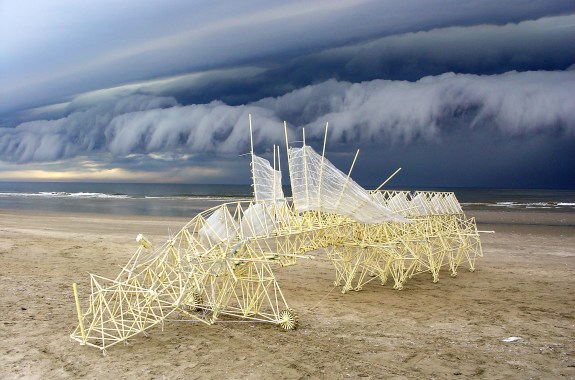
Building A ‘Beest’ Fit For The Beach
Dutch artist Theo Jansen has spent 25 years constructing massive sculptures designed to crawl, scuttle, and stride along the beach.
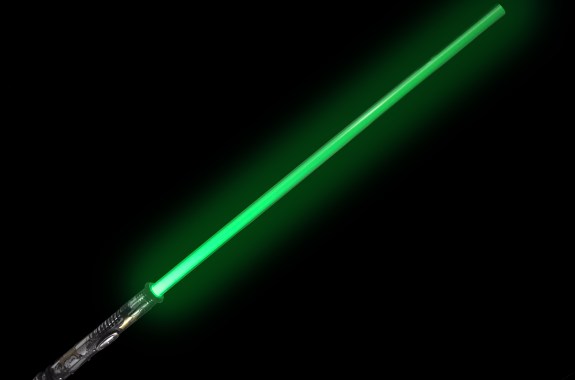
How To Make Your Own Lightsaber
One “Star Wars” fan shares best practices for a DIY lightsaber.
The Week-After Science Friday Quiz! 12/14/15
What do you know about bananas and Pluto?
12:03
The State of Nuclear Power, Climate Refugees, and Bad News for Bananas
Journalists Maggie Koerth-Baker and Roberto Ferdman discuss the state of nuclear power around the world, as well as the fungal threat to bananas.
22:08
Why Science Needs Failure to Succeed
Neuroscientist Stuart Firestein says that in science, “one must try to fail because it is the only strategy to avoid repeating the obvious.”
12:48
Will Ambition Be Built Into the Climate Agreement?
Will a coalition for 90 nations, including the United States, negotiate a more ambitious climate plan?
12:14
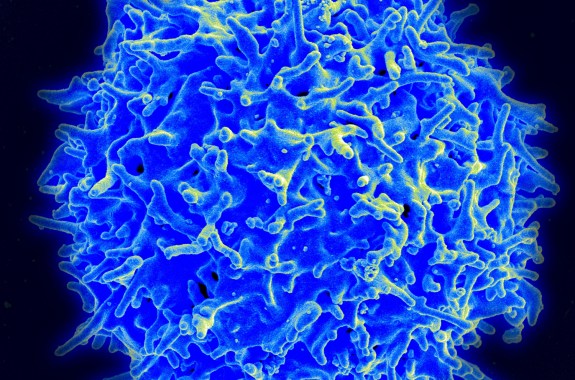
Fighting Cancer With Your Own Immune System
Former president Jimmy Carter declared himself cancer-free this week as a result of—among other things—a cancer immunotherapy drug.
10:24
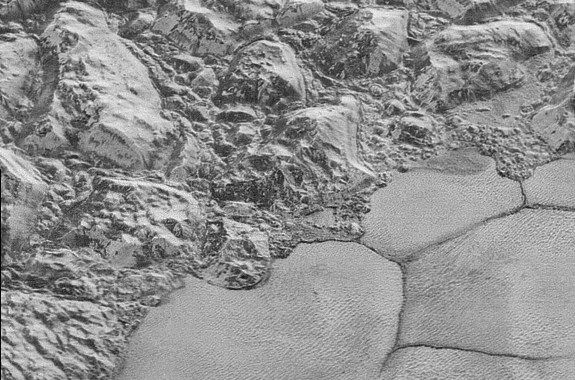
Pluto Comes Into Focus
Photos from the New Horizons mission reveal icy plains, craters, and mountains on Pluto.
24:37
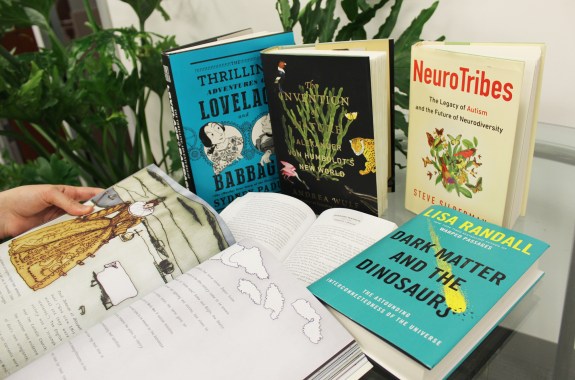
The Best Science Books of 2015
We’re making our book list and checking it twice: It’s the Best Science Books of 2015.
Can Failure Be an End in Itself?
Science is constantly being revised, and failure is crucial to the process.
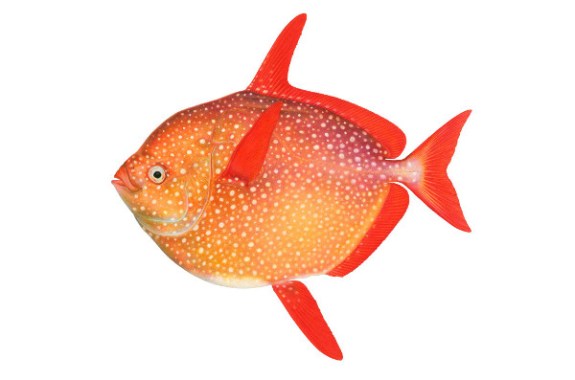
These Fish Posed for Pencils, Not Cameras
Artist Joseph Tomelleri’s scientific drawings of Salish Sea fishes can be easily mistaken for photographs.
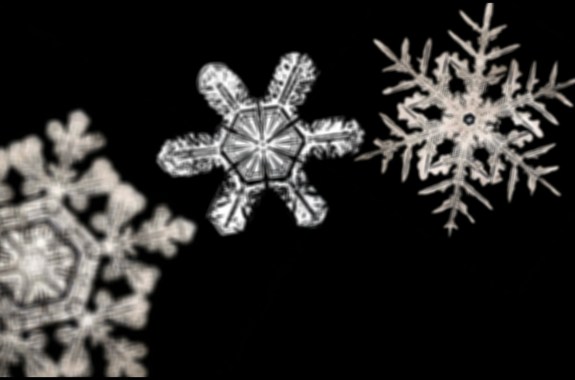
Holiday Science
Take a snowflake safari, make cookies scientifically, and spice up that eggnog—whatever gets you in the holiday science spirit.