On Today's Podcast
Isabella Rossellini on how acting connects to animal cognition
Should we anthropomorphize animals or not? An actor and an ecologist share what they’ve learned about animal cognition.
Listen NowOctober 23, 2026
CRISPR pioneer Jennifer Doudna discusses the evolution of gene-editing technology and what it takes to be a good scientist. Timekeepers around the world voted to stop using leap seconds, but what does that mean for us? Plus, how "problem bears" help test engineers evaluate consumer products, author Kazuo Ishiguro on emotional truth in our age of AI, and the science of apple varieties.
2:41
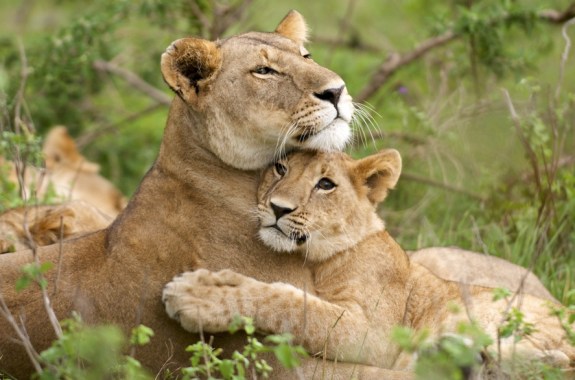
Animal Moms: From Lion to Mouse
Several scientists share stories of their favorite Animal Kingdom matriarchs with Science Friday, just in time for Mother’s Day.
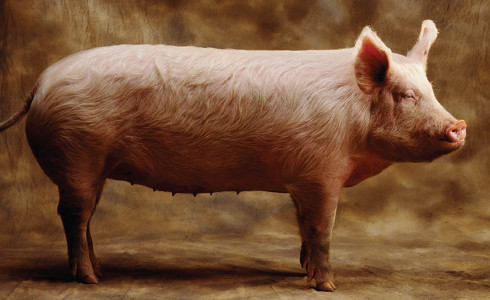
From Feed Lot to Pasture: The State of U.S. Pork
An excerpt from “Pig Tales: An Omnivore’s Quest for Sustainable Meat.”
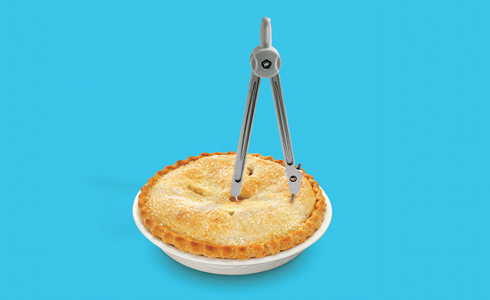
How Math is Like Baking: You Just Need a Recipe
An excerpt from “How to Bake Pi” by Eugenia Cheng.
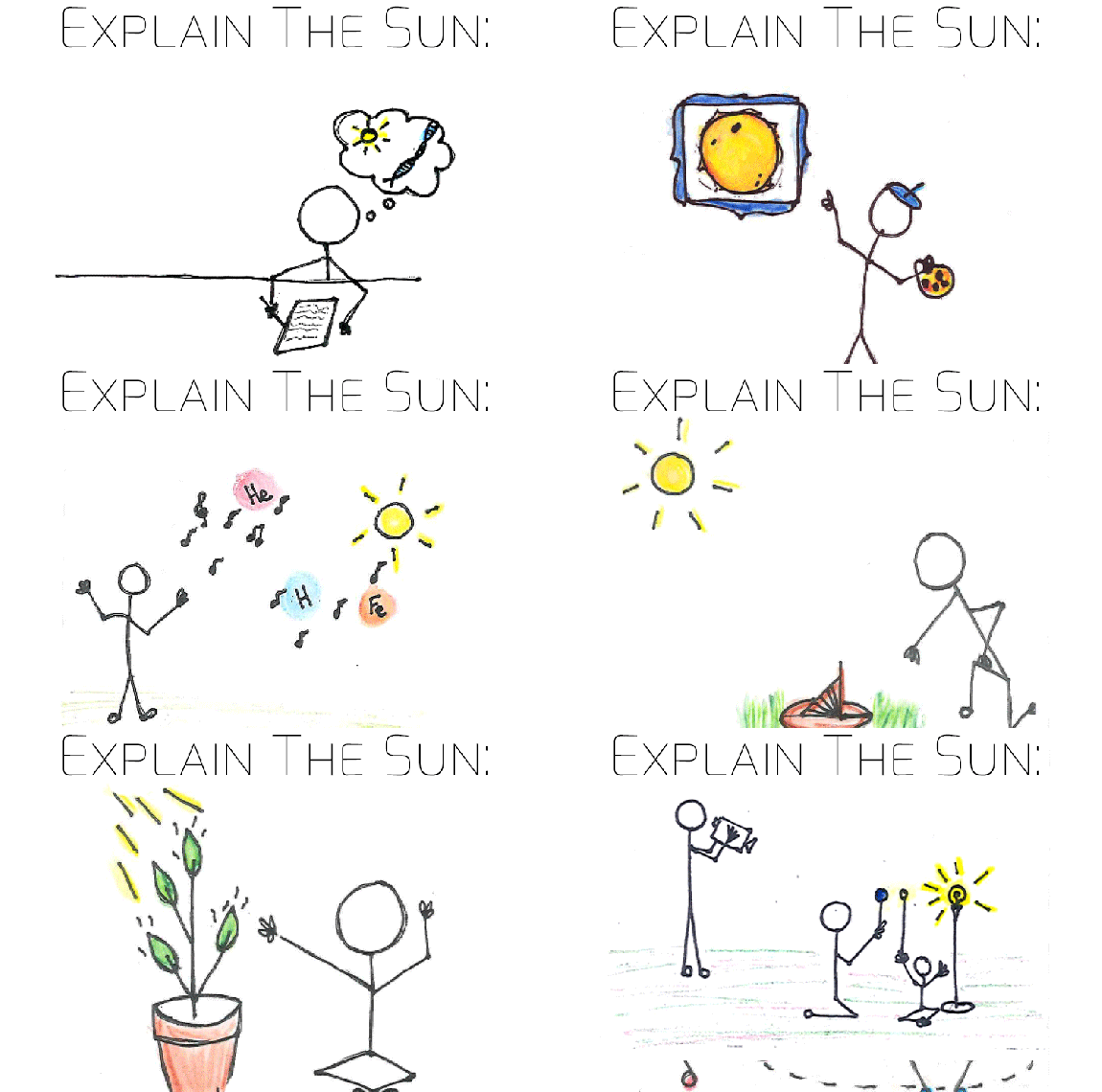
#ExplainTheSun
What does the Sun do? Tell us, using the hashtag
#ExplainTheSun
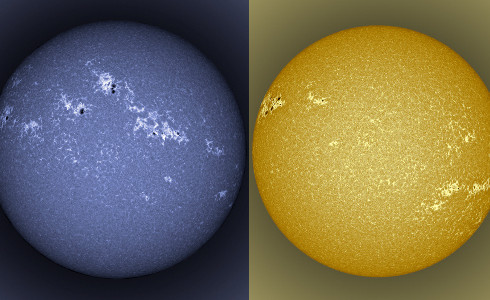
What Does The Sun Do? Solar Experts Respond
Experts with a vested solar interest weigh in on the sun’s various starring roles.
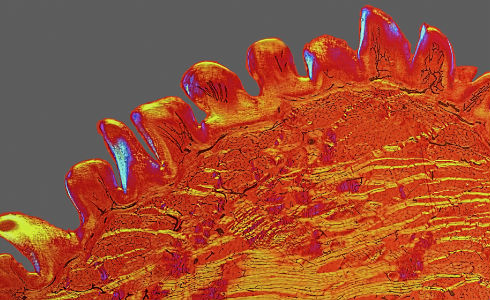
Kitty’s Tongue, Under The Microscope
A magnified look at a cat tongue reveals the serrated edges that Fluffy uses to clean herself, and rasp meat from bone.
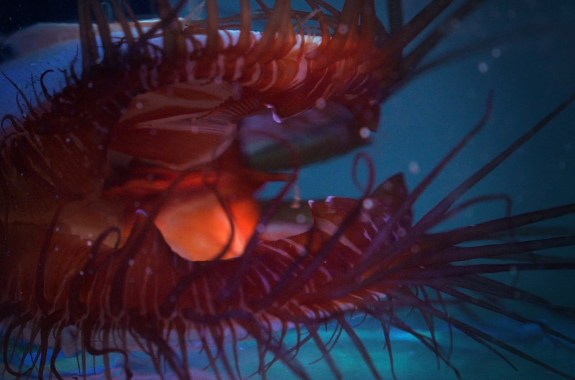
Flash of the Disco Clam
Reminiscent of the flashy dance halls and shag carpets of the ’70s, the disco clam flaunts frilly tentacles and its very own light show.
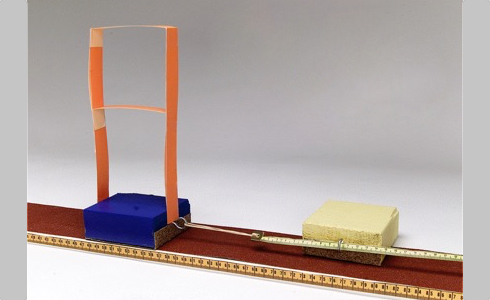
Build an Earthquake Machine
In this activity from IRIS, students explore a mechanical model of a fault to learn how energy is stored elastically in rocks and released suddenly as an earthquake.
12:12
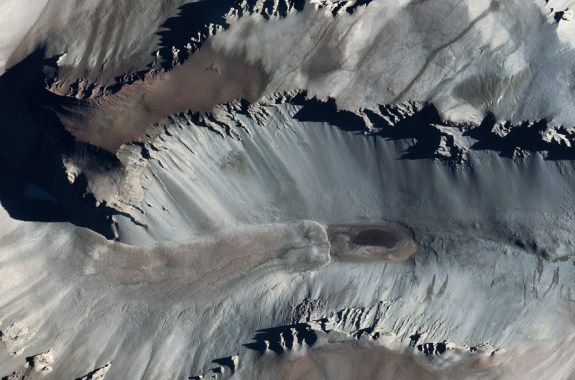
Salty Antarctic Aquifers, Penguin Poop, and a 3D-Printed Splint
Salty aquifers deep under Antarctica could be a blueprint for where life might hide out on Mars.
22:58
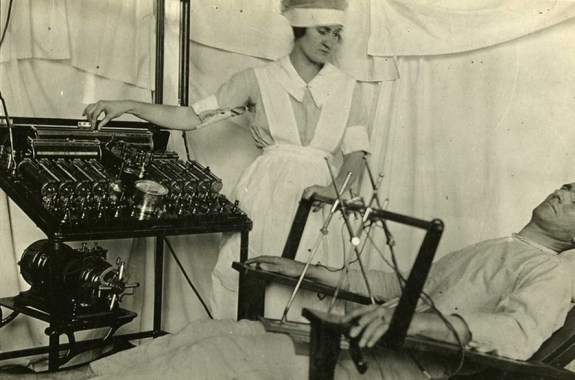
‘Shrinks’ Tells Of Desperate Early Cures
In his book, psychiatrist Jeffrey Lieberman documents the profession’s early days—a time when malaria was considered an effective cure for mental illness.
11:37
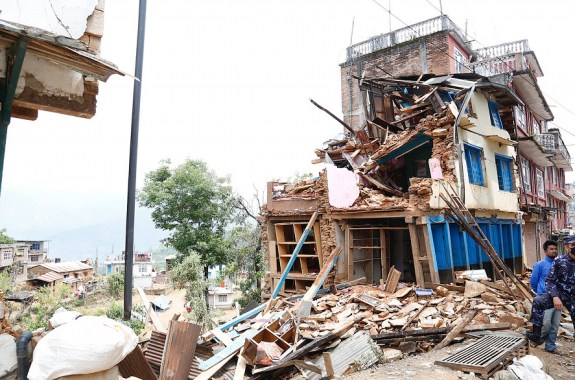
Seismic Risk and Safety in Nepal
How can cities like Kathmandu become more earthquake resistant in the future?

11:58
Getting Charged Up for the Tesla Home Battery
Could Elon Musk’s plan for a home battery fire up an energy revolution?
17:42
The Debate on Gene Editing
How should research progress as human gene editing techniques become cheaper, faster, and more precise?
12:30
The Rise of the Celebrity Scientist
“The New Celebrity Scientists” profiles scientists who’ve cracked the fame code to become cultural icons.
5:00
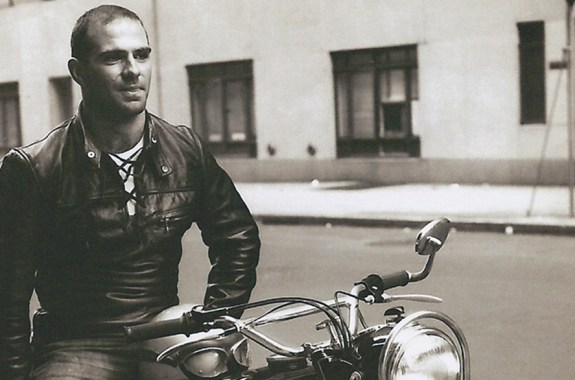
The Other Side Of Oliver Sacks
We all know Oliver Sacks as a renowned neurologist and a prolific author. But he’s a true Renaissance man, as becomes clear when reading his new memoir, ‘On the Move: A Life.’
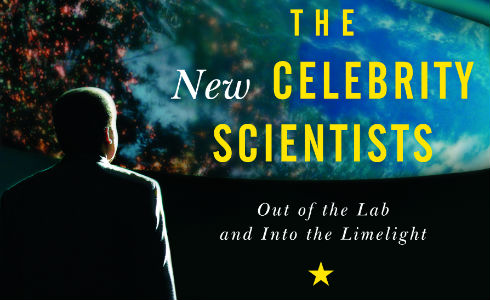
Carl Sagan, and the Rise of the ‘Celebrity Scientist’
An excerpt from “The New Celebrity Scientists: Out of the Lab and into the Limelight.”

From Fever Cure to Coma Therapy: Psychiatric Treatments Through Time
An excerpt from “Shrinks: The Untold Story of Psychiatry.”
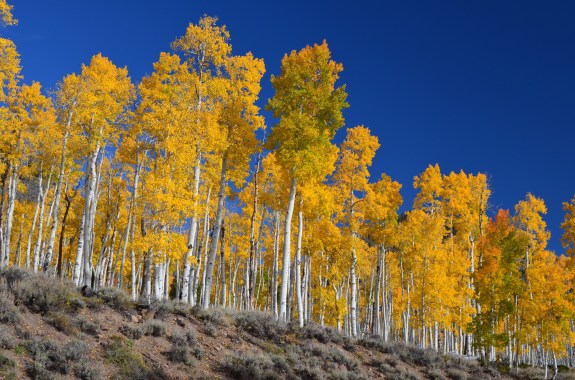
Pando, One Of Earth’s Largest Living Organisms
These quaking aspens are all clones of one mother stem.
19:22
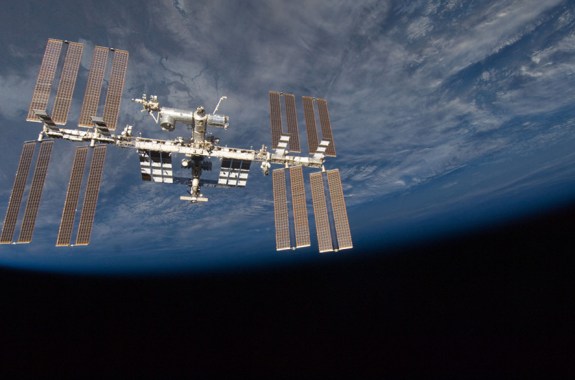
The Most Unusual Laboratory (Not) on Earth
Floating 200 miles above the Earth, and speeding at nearly five miles per second, the International Space Station may be the most unusual lab available to science.
10:50
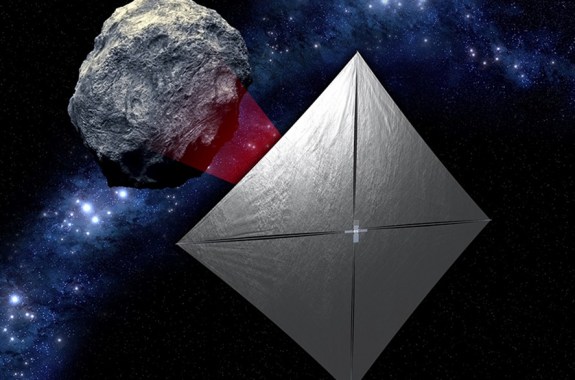
Dreaming Up the Future of Interstellar Travel
Could solar sails, antimatter propulsion, and air-breathing rockets take us to Mars and other galaxies in the future?