On Today's Podcast
What was life like for Tyranossaurus rex?
T. rex may be the most famous prehistoric predator, but their life wasn’t always bone-snapping chomps and food chain scaremongering.
Listen NowOctober 23, 2026
CRISPR pioneer Jennifer Doudna discusses the evolution of gene-editing technology and what it takes to be a good scientist. Timekeepers around the world voted to stop using leap seconds, but what does that mean for us? Plus, how "problem bears" help test engineers evaluate consumer products, author Kazuo Ishiguro on emotional truth in our age of AI, and the science of apple varieties.
April 19th SciFri Broadcast to Air at Later Date
NPR’s continuing live coverage of events in Boston will preempt today’s Science Friday. The recorded April 19th program will be broadcast nationwide in our regularly scheduled timeslot on a later date.
29:30
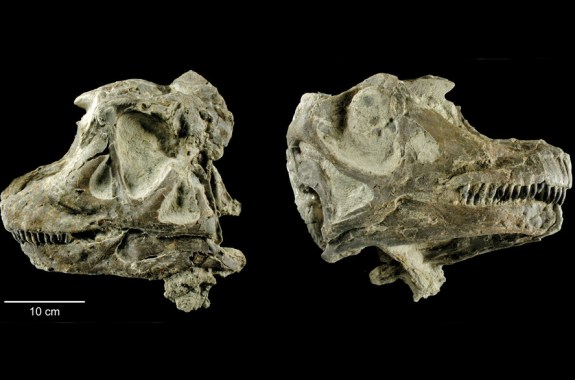
Utah’s Fossil Finds Describe an Ancient World
A panel of paleontology experts describes some of Utah’s ancient treasures.
16:27
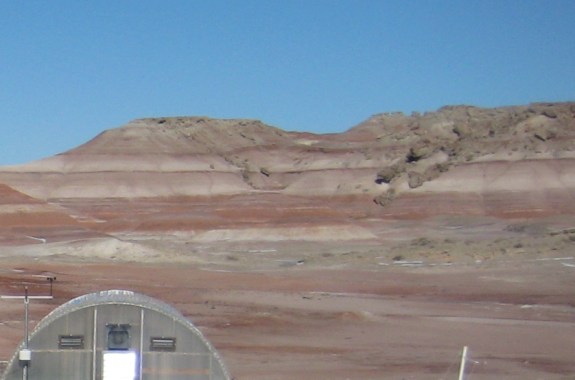
Studying Earth to Learn About Mars
Planetary scientists and future explorers are trying to learn about our neighboring planet without ever leaving Earth.
21:35
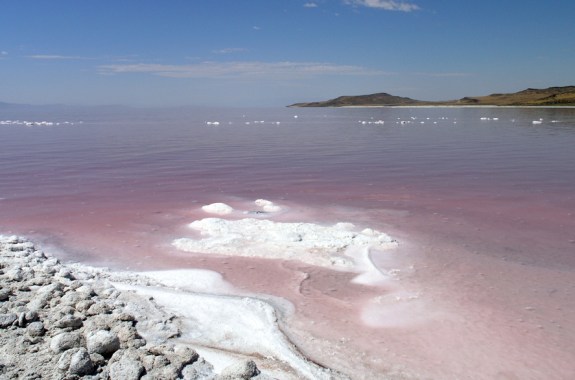
Great Salt Lake Is No ‘Dead Sea’
Parts of the giant lake are 10 times saltier than the ocean—but life has found a way to thrive.
17:34
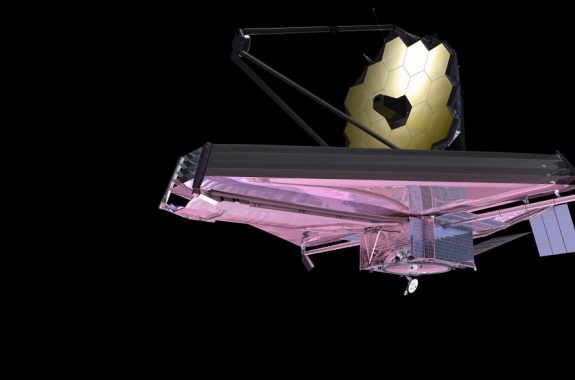
James Webb Space Telescope Wings It
The telescope’s massive mirror will unfurl on a newly completed set of wings.
6:20
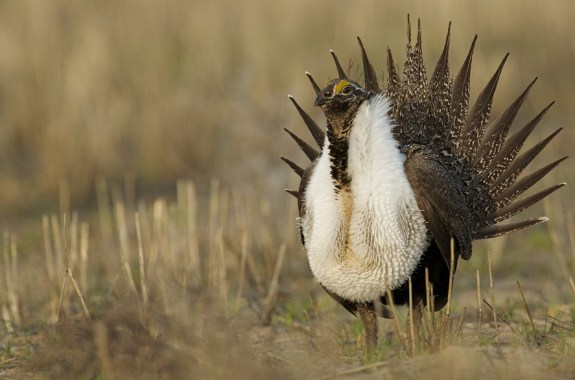
The Bird That Struts Its Stuff
Every year at this time, the greater sage-grouse performs a striking dance routine each morning at dawn.
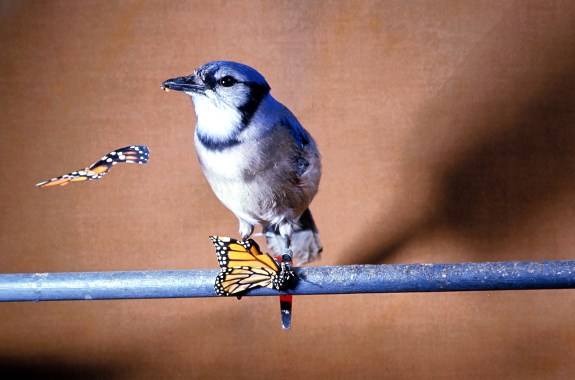
The Case Of The Barfing Blue Jay
For some predators, chowing on a monarch butterfly can have digestive repercussions.
Go West, Young Man, and Grow Up With the Dinosaurs
A writer follows a childhood passion, surrounding herself with dinosaurania, in this excerpt from “My Beloved Brontosaurus.”
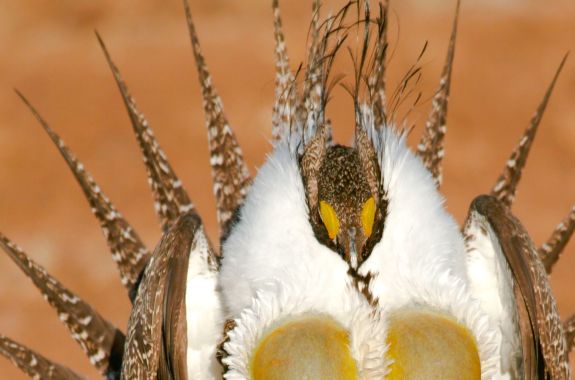
Every Spring, This Bird Struts its Stuff
Across Utah, the Greater sage-grouse performs a striking dance routine each morning at dawn.
These Dinosaurs Should Appear in Jurassic Park 4
Author and dino-lover Riley Black suggests several reptilian relics that deserve the spotlight.

Why Do I Get Nostalgic?
That bittersweet longing for the past can have an important impact on the present.
12:16
Red Meat’s Heart Risk Goes Beyond the Fat
A chemical in red meat, L-carnitine, may increase the risk of heart disease in people and mice.
28:17
Down the Gullet: A Guided Tour of Your Guts
In Gulp., science writer Mary Roach travels through the intestines–and out the other end.

6:16
Poring Over The Science Of Coffee
Harold McGee explains the chemistry in your cup of joe.
11:53
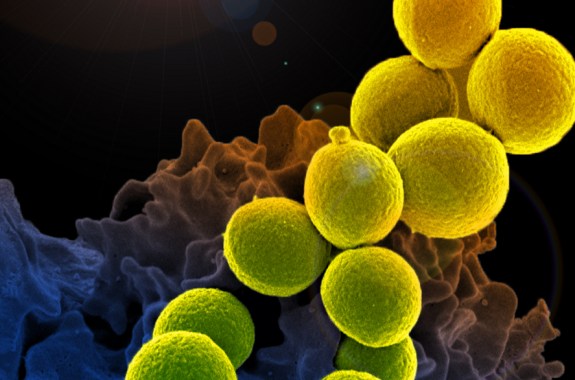
Looking to Nature for Antibiotic Inspirations
Microbiologists are learning bacteria-killing tricks by studying phage viruses.

12:40
The Teenage ‘Troublemaker’ Fighting for Science
Zack Kopplin is campaigning to keep creationism off the science class syllabus.
20:38
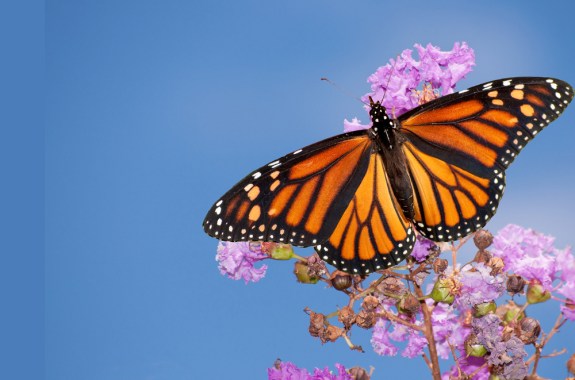
Monitoring the Monarchs
Monarch expert Lincoln Brower discusses the decline in monarch butterfly populations.
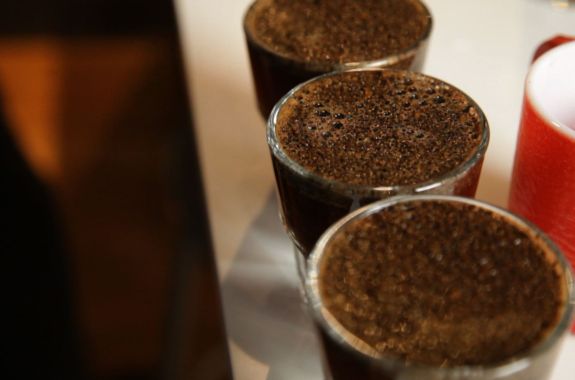
Concocting The Perfect Cup Of Coffee
Brew-masters pore over the chemistry and craft of making a good cup of joe.
Mapping the Monarchs
Any orange-and-black beauties in your neck of the woods? Add a photo to our Spring Monarch Migration 2013 Google map.
The Story of Saliva
Why do newborns drool excessively? How many pints of saliva does a person generate daily? (Hint, it’s more than one.) And more spit mysteries excerpted from “Gulp: Adventures Down the Alimentary Canal.”