On Today's Podcast
Tracking shark populations, one shark at a time
A Florida research team catches and releases about 600 sharks a year to monitor their populations and study the health of marine ecosystems.
Listen NowJuly 24, 2026
Archeologists are piecing together the lives of ordinary Pompeii residents, from a fish sauce entrepreneur to an enterprising businesswoman. Plus, Andrea Ghez developed a way to peer through dust clouds and observe stars orbiting the supermassive black hole at the center of the Milky Way. And, what do we know, and not know, about SSRI antidepressant withdrawal?

Could You Outrun A T. Rex? Try An Experiment To Check.
“How to Survive History” is a guide to surviving history’s most dangerous events. Some solutions are surprisingly attainable.

“The Pod Generation” Explores High-Tech Alternatives To Pregnancy
In the film “The Pod Generation,” a couple finds out what it’s like to grow their baby inside a pod. But how will the technology affect society?

12:15
Youth Climate Activists Score A Win In Montana
A state court decision would allow regulators to consider climate impacts when approving energy projects.

8:55
New Research Suggests Neurological Culprit For COVID Brain Fog
A study in mice finds that COVID brain fog—causing patients to wrestle with poor concentration, fuzzy thinking, and memory issues—might be caused by fused neurons.

7:47
Reno Is Preparing To Turn Its Wastewater Into Drinking Water
Reno, Nevada looks to turn its wastewater into clean drinking water as the region prepares for a dryer future. But can it get the public on board?

16:24
Challenging The Gender Gap In Sports Science
Most participants in sports research are still men, even as girls, women, and those outside the gender binary take to the field.
12:16
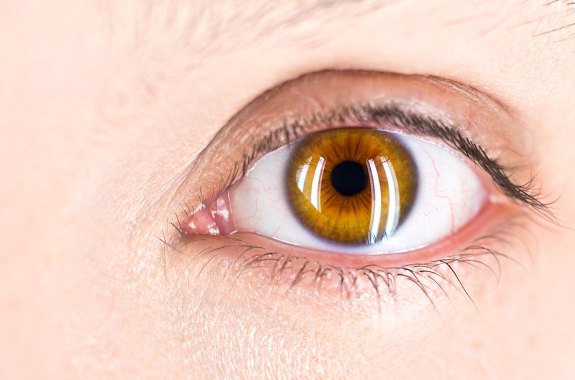
Using Stem Cells For Cornea Repair Is Worth A Look
Stem cell grafts may open up new treatment avenues for severe eye injuries.

16:53
From Skyscrapers to Sand Thieves—Digging Into The World Of Sand
Each year, we use nearly 50 billion tons of sand and gravel worldwide. Is that sustainable?

17:11
COVID-19’s Summer Wave Raises New Questions
As hospitalizations surge once again, virologist Dr. Angela Rasmussen answers listener queries about the latest variant and new booster.

Sports Research Inequality Impacts Female Athletes
What does it look like to train sustainability, fuel well, pursue longevity, and stay healthy, happy, and strong as a female athlete? Right now, we don’t have the answers.
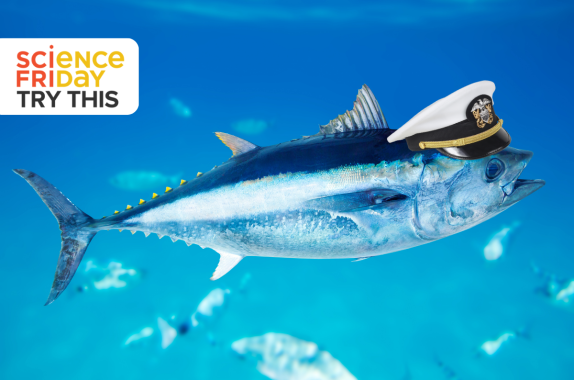
Tracking Tuna: How Do Behavior And Environment Interact?
Researchers track tuna fish across the ocean. What do they hope to learn and how can you use the same science to make your day better?
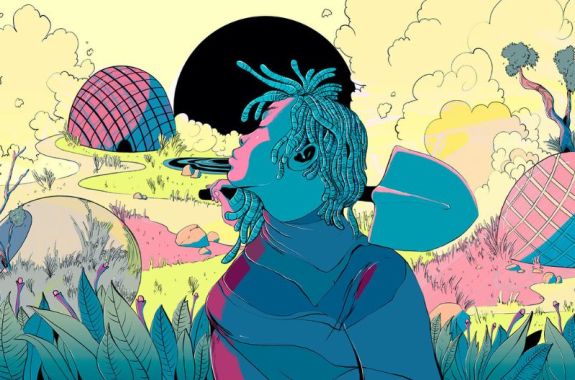
Envisioning A Radically Different Climate Future
On September 18, join us for an evening of literature, imagination, science, and hope as part of Climate Week NYC.
9:18
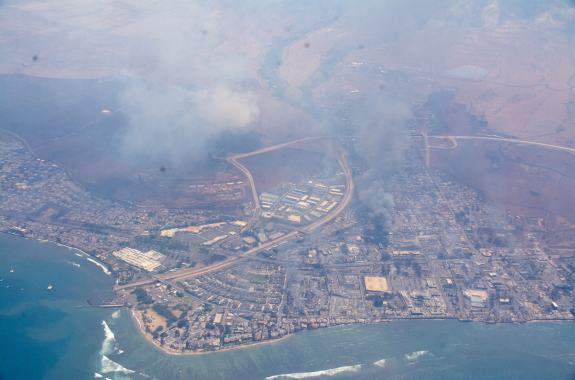
Devastating Fires Might Become More Common In Hawai’i
Why were the fires in Maui so destructive and how could climate change make fires there more frequent? Plus, more stories from this week in science news.
11:39
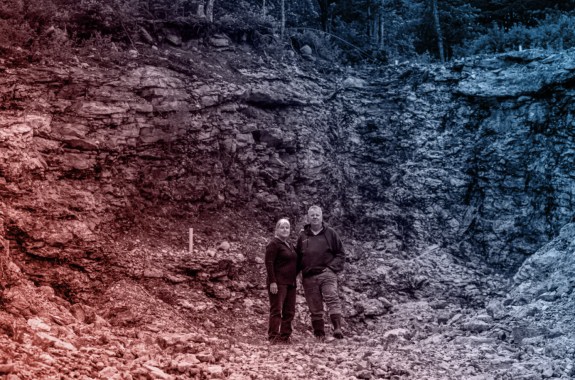
World’s Richest Lithium Deposit Faces Opposition To Mining
The deposit lies deep in the woods of western Maine, but its discovery has sparked debate over environmental concerns.
4:58
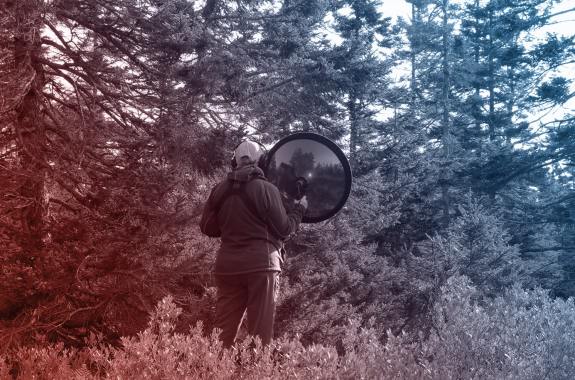
Preserving Acadia National Park’s Vanishing Birdsong
Climate change is affecting the ranges of the park’s 300 bird species.
11:47
In ‘The Pod Generation,’ Pregnancy Goes High-Tech
In the film “The Pod Generation,” a couple finds out what it’s like to grow their baby inside a pod. But how will the technology affect society?
17:22
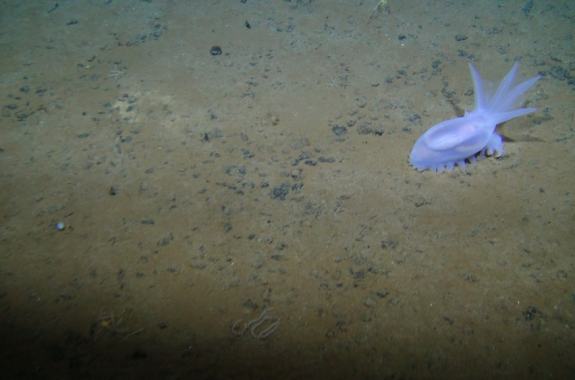
The Rising Tide Against Deep Sea Mining
A recent global meeting of the International Seabed Authority to develop a treaty for the world’s oceans floors adjourned without a decision.
16:53
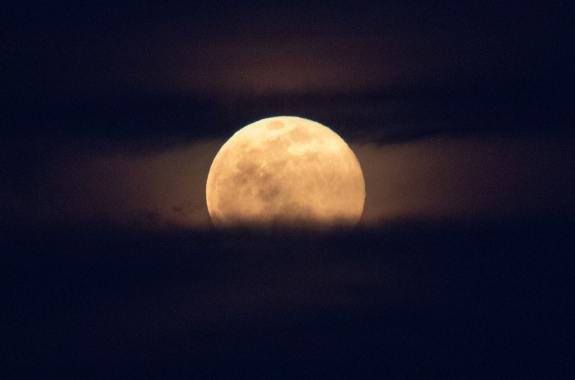
August Skies Set To Dazzle
Get ready stargazers: The Perseid meteor shower and a super blue moon are highly anticipated sights this August.
16:51
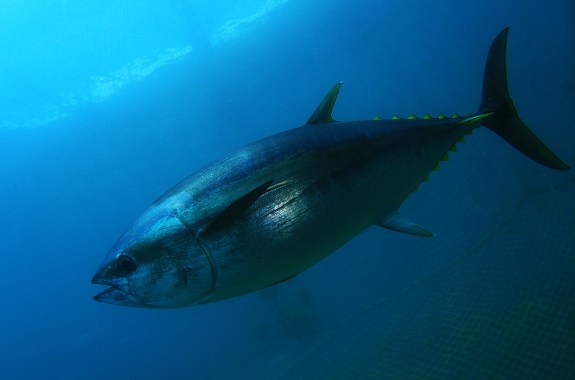
A Tuna’s Reel Life Adventures
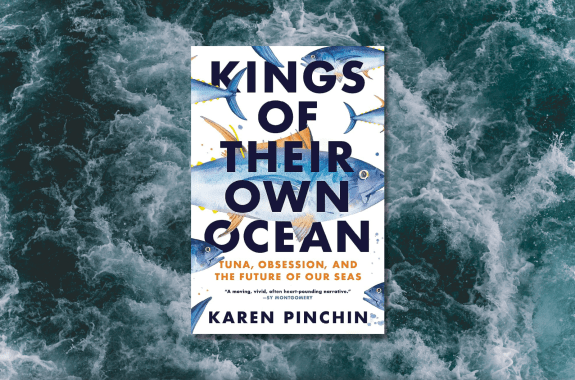
Science journalist and the author of a new book talks about her research into a mighty fish nicknamed Amelia, and the recovery of fishery.
Bluefin Tuna Help Tell The Story Of Our Oceans
For 3,000 years, demand for bluefin tuna has existed in uneasy balance with its natural ability to reproduce and thrive.