Articles
Science Friday is your trusted source for news and entertaining stories about science.
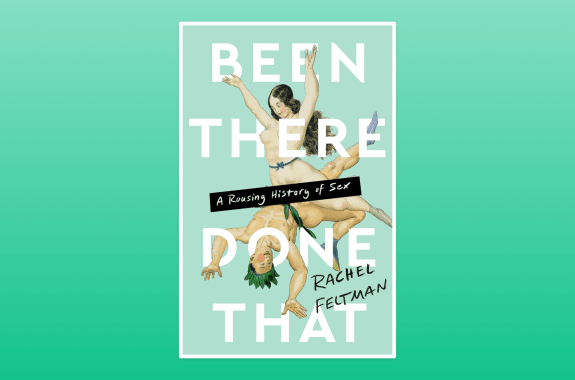
How Sexual Intercourse Was Invented, 385 Million Years Ago
Okay, but how exactly did sex come about? Science journalist Rachel Feltman dives into the saucy science of doing it.

Breaking The Mold Of What A Scientist Looks Like
When Dr. Danielle N. Lee’s dream to become a veterinarian didn’t work out, she learned there were other ways to work with animals in science.
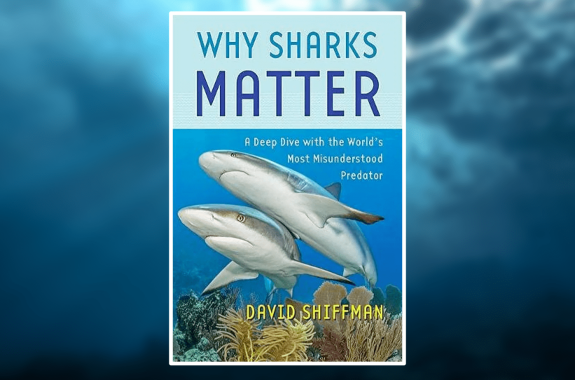
How Sharks’ Amazing Seven Senses Actually Work
Sharks can’t actually smell blood from a mile away. But they do have two more senses than humans, and their sense of detection is legendary.
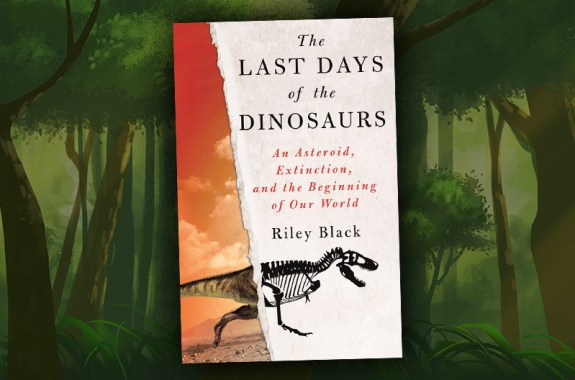
Read ‘The Last Days Of The Dinosaurs’ With The SciFri Book Club
Riley Black writes about the days, years, and centuries after disaster strikes in ‘The Last Days of the Dinosaurs.’ Read it with us this May.
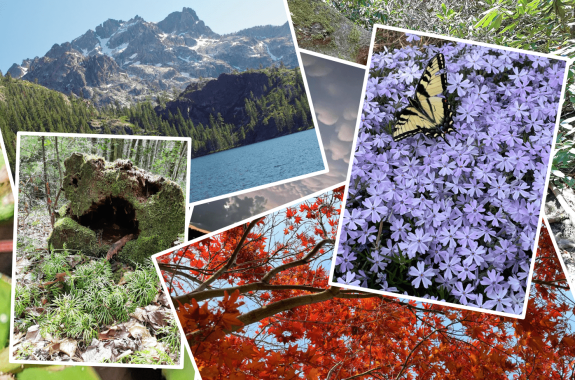
Love Letters To The Earth
We asked you what you love and appreciate about our home. Here are photos, reflections, poems, and songs you sent back.
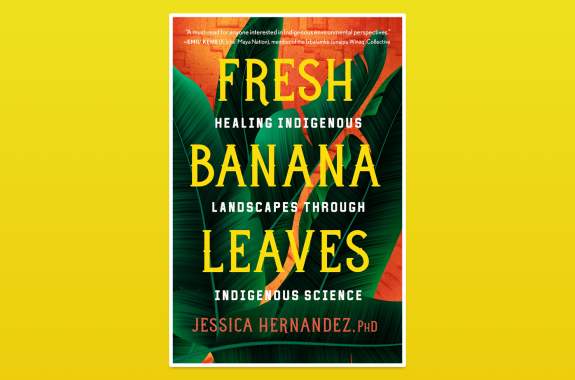
An Indigenous Scientist On Purging Colonialist Practices From Science
Western science is built upon harmful research practices in Indigenous communities. Jessica Hernandez writes about how this can change.
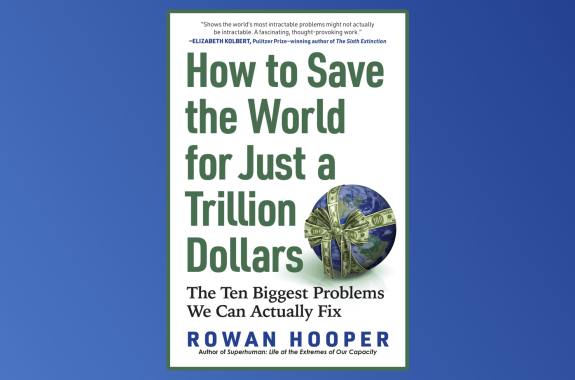
Why Exactly Should We Go Back To The Moon—And Onto Mars?
How should we square pro-space arguments from tech CEOs with the history of imperialism and underinvestment in social equity programs?
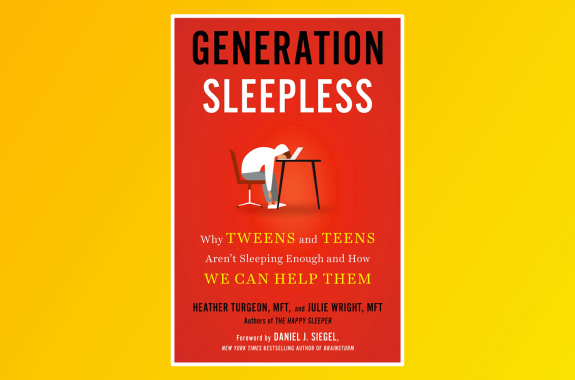
Teenagers Need More Sleep—And They’re Not Getting It
Getting enough sleep is vital for healthy brain development for teens. But outside societal factors prevent this from happening.
Saying Goodbye To Science Diction
It’s been wonderful to have you sharing in our Science Diction fun for the last two years. But, all good things must come to an end.
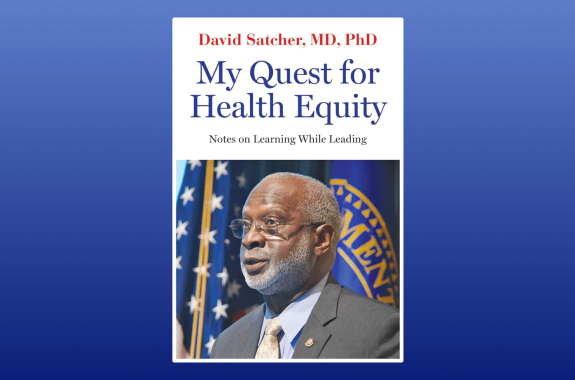
What Would American Healthcare Look Like If It Were More Equitable?
Former Surgeon General David Satcher writes about his efforts to eliminate healthcare disparities in the U.S.
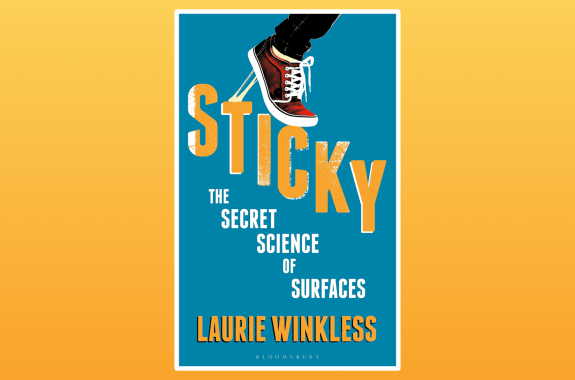
What Makes Something Slippery Or Sticky?
Physicist Laurie Winkless dives into the realm of surface science to figure out how its shaped our manufactured and natural worlds.
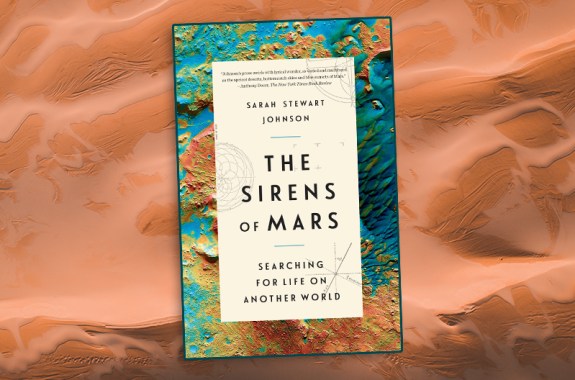
Read ‘The Sirens Of Mars’ With The SciFri Book Club
Sarah Stewart Johnson explores humanity’s fascination with the Red Planet in ‘The Sirens of Mars.’ We’ll read it together this spring.
The Importance Of Gathering Samples From Mars Before Humans Arrive
Scientist Sarah Stewart Johnson makes the case for why we should do as much science as we can on Mars—before humans step foot on the planet.
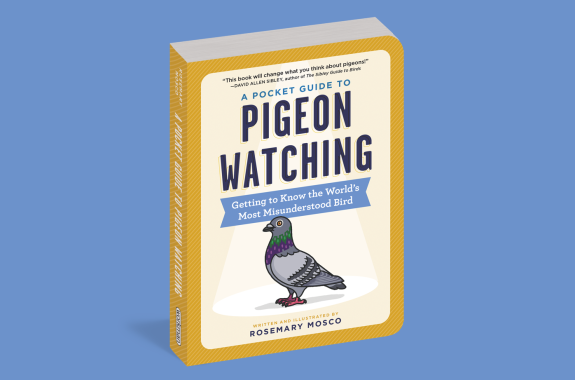
Pigeons Are More Than Rats With Wings
Read an excerpt of Pocket Guide to Pigeon Watching: Getting to Know the World’s Most Misunderstood Bird by Rosemary Mosco.
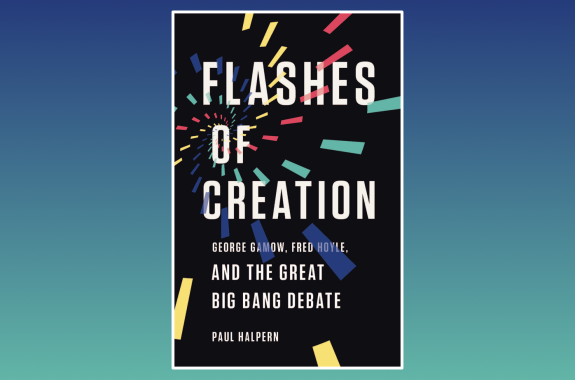
The Debate That Sparked The Big Bang
How a 1940s horror movie inspired maverick physicist Fred Hoyle’s now-panned alternative to the Big Bang.
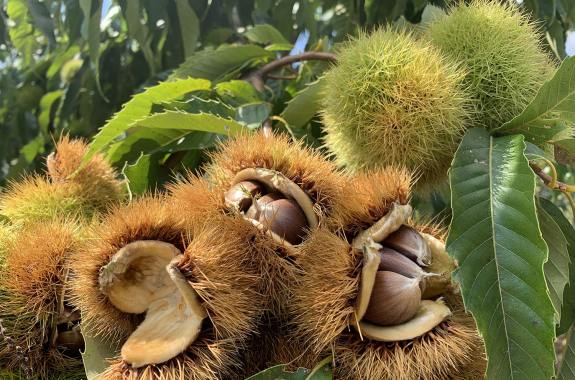
American Chestnut: Resurrecting A Forest Giant
The American Chestnut towered in forests, then disappeared. Now, it’s staging a comeback.
The Best Of Science Friday, 2021
These are the science stories that moved and inspired us this year, made and selected by Science Friday’s staff.
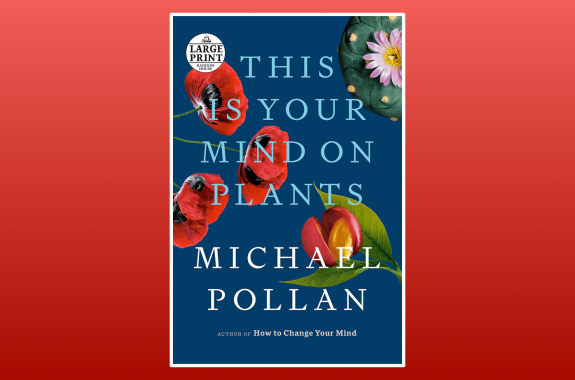
Michael Pollan On Plants That Change Our Minds, From Tea To Peyote
In a new book, Michael Pollan explores why some psychoactive plants are socially acceptable, which aren’t, and how those norms are changing.
Vocal Fry: Why I’m Not Getting A Voice Coach
Vocal fry has been around for ages. So why are people suddenly so bothered by it?
Donate To Science Friday For #GivingTuesday!
Want to help support Science Friday for the next 30 years? Make a gift today, for #GivingTuesday. All donations are matched $1 to $1.