On Today's Podcast
What is lymphatic drainage, anyway?
A new wellness trend focuses on stimulating the lymphatic system. What does this system do, and is there science to back these claims?
Listen NowSeptember 18, 2026
Hawaiʻi has generally been safe from the worst effects of hurricanes. But this year, two hurricanes battered the islands in a matter of weeks. A new wellness trend focuses on stimulating the lymphatic system. What does this system do, and is there science to back these claims? Plus, perimenopause science, our fascination with lost knowledge, and a snake's spider-like tail appendage.
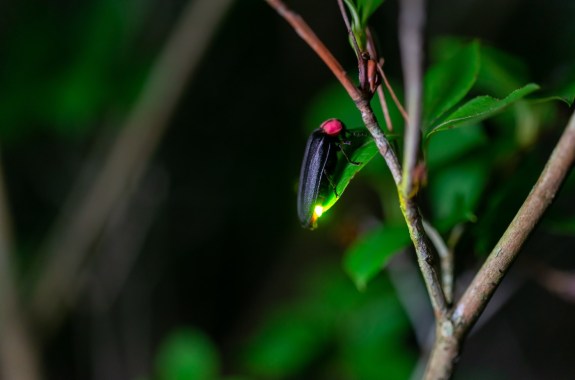
How do you find a ‘lost’ species?
A new journal documents species “lost to science.” Plus, a project to locate lost firefly species in the U.S. and Canada.
What we get wrong about vaccine hesitancy
An immunologist who’s been on both sides of vaccine hesitancy talks about what drives it, what gets missed, and how to build trust.
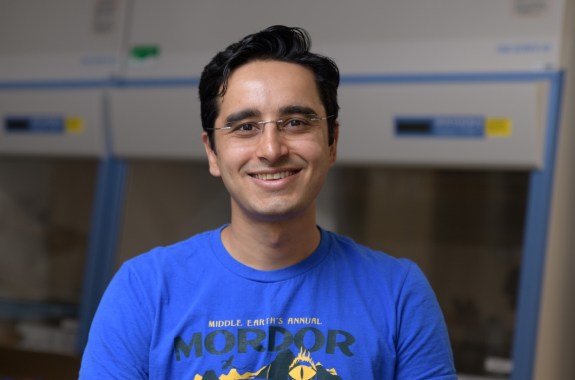
Why this lab studies the speed of bug pee and other curiosities
What do the hydrodynamics of insect pee, $1 hearing aids, and squid robots have in common? A lab organized around curiosity, not disciplines.
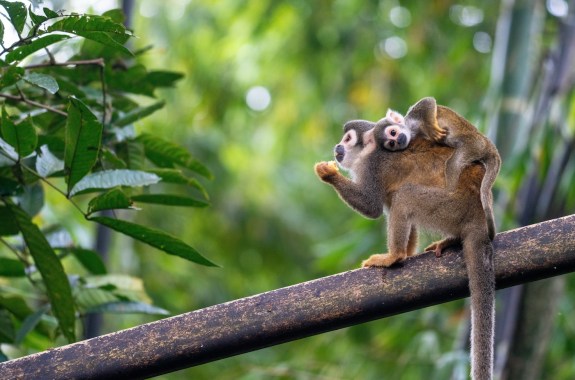
Some primates undergo even more extreme childbirth than humans
Scientists have long thought extreme childbirth was unique to humans. But some other primates appear to face similar anatomical challenges.

Deb Haaland is a politician, and proud of it
Former Interior Secretary Deb Haaland recounts her unconventional path into politics in a new book. And she tells us why lawsuits can be good.

Finding political identity in nature and community
In “A Voice Like Mine,” Deb Haaland finds connection through running, and reflects on how we all have a role in the politics of community.

Sitting all day is terrible for us. Moving a little can help
Modern life involves a lot of sitting and staring at screens, and that takes a toll. Can moving for 5 minutes make a difference?

Reclaiming health and humanity in a tech-filled life
“Body Electric” examines what technology and screens are doing to our minds and bodies, and how we can reclaim our well-being.

A Nagasaki survivor and physician recounts his life’s work
Dr. Masao Tomonaga was 2 when Nagasaki was bombed. In August 2025, he spoke with Ira Flatow about a lifetime caring for fellow survivors.
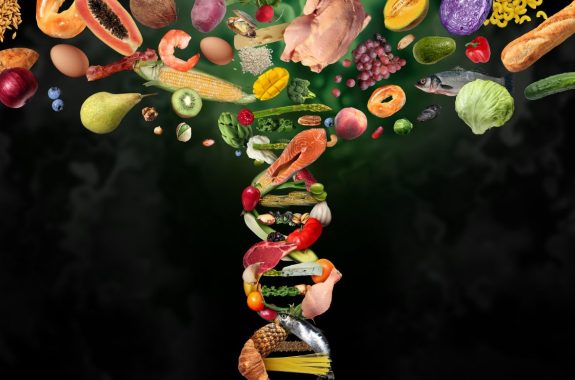
What do people eat? Plant and animal DNA in sewage provide clues
DNA signatures of plant and animal species remain behind even after they’ve been eaten, digested, excreted, and flushed down the toilet.
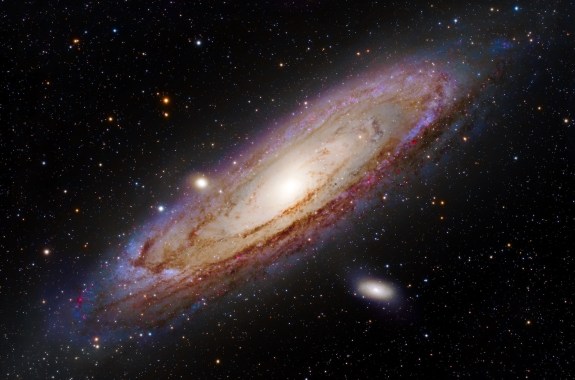
3D images of galaxies will rock you (ft. Queen)
In March 2026, astronomer and Queen guitarist Brian May and astrophysicist Derek Ward-Thompson discussed how they brought the cosmos to 3D.
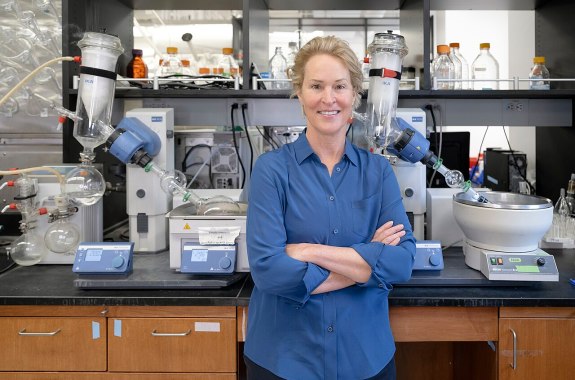
The evolution of an enzyme engineer who changed chemistry
In a March 2026 story, Frances Arnold discusses her technique of “directed evolution” that creates enzymes with unusual abilities.
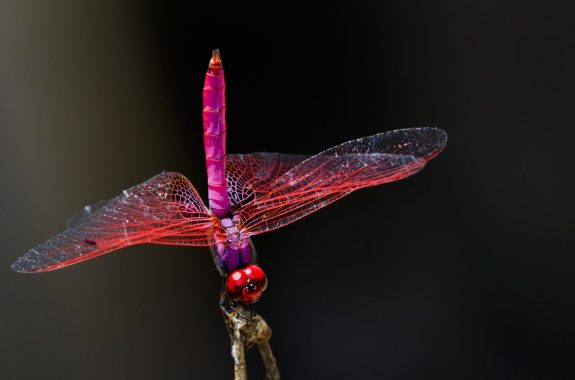
Dragonflies fly like fighter jets + Lake flies that dive like subs
What do a fighter jet and a dragonfly have in common? Plus, how lake fly larvae in Lake Malawi dive 600 feet deep without imploding.
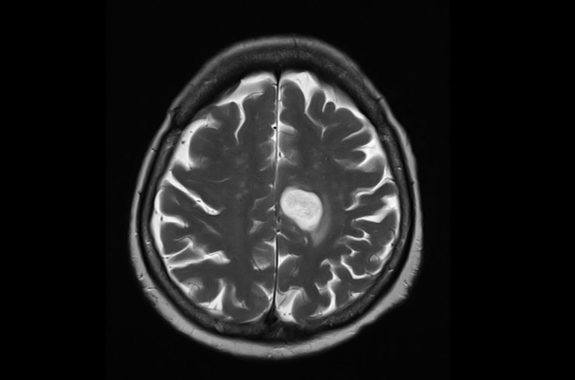
Why is brain cancer so hard to treat?
A pioneer of cancer neuroscience explains how brain cancer develops, the role of the nervous system, and what might lead to new treatments.
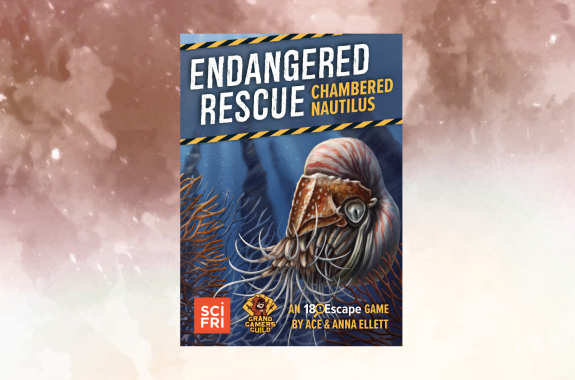
Solve a cephalopod puzzle to win this escape room-style game
The chambered nautilus takes center stage in a puzzle adventure game from Science Friday and Grand Gamers Guild.
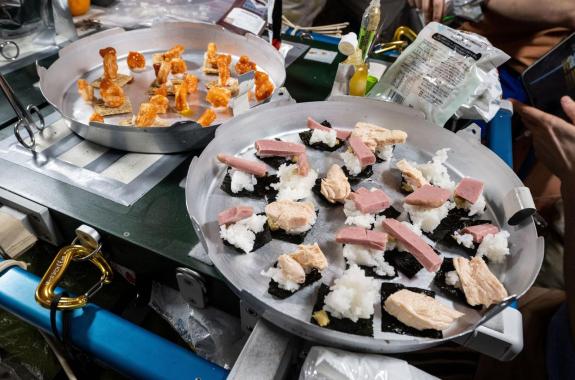
How can astronaut food be better?
As NASA plans for longer spaceflights to the moon and Mars, a better menu is important both nutritionally and psychologically.

The reality of living with extreme heat in India
Extreme heat is hitting India hard. One physician is trying to understand the health impacts, and help Indians prepare for future heat waves.
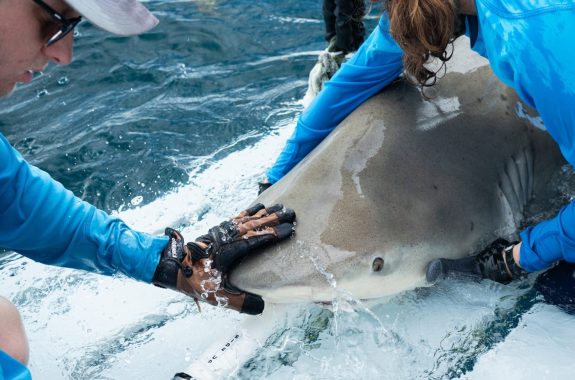
Tracking shark populations, one shark at a time
A Florida research team catches and releases about 600 sharks a year to monitor their populations and study the health of marine ecosystems.

The Black women codebreakers of the Cold War
A new book tells the story of Black women cryptologists who deciphered Soviet telegrams intercepted during the early days of the Cold War.

Joining the NSA’s hidden team of Black codebreakers in 1950
In “Decoding the Devil,” a woman named Iris joins a hidden NSA unit of Black codebreakers decoding Soviet messages during the Cold War.