On Today's Podcast
Everyone is calling for safer AI. So what does that mean?
Concerns about AI safety are growing. Two researchers explain the unintended consequences of training AI models and what questions remain.
Listen NowSeptember 18, 2026
Hawaiʻi has generally been safe from the worst effects of hurricanes. But this year, two hurricanes battered the islands in a matter of weeks. A new wellness trend focuses on stimulating the lymphatic system. What does this system do, and is there science to back these claims? Plus, perimenopause science, our fascination with lost knowledge, and a snake's spider-like tail appendage.
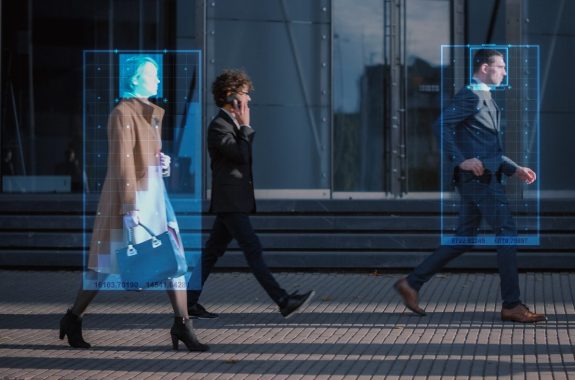
Data about your body is up for sale. Who’s buying it?
Your personal biometric data—from your face, to your gait, to your weight—is constantly being collected and sold. Who’s buying it, and why?
Sci-fi thriller combines aliens, robots, and Cherokee culture
The sci-fi thriller “Hole in the Sky” imagines an alien first-contact scenario set in the heart of Cherokee Nation.
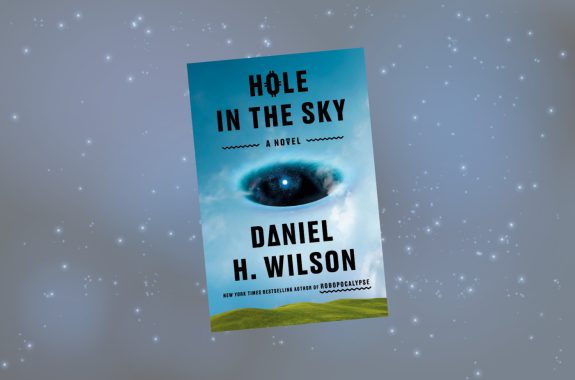
In a never-ending stream of data, a nonhuman voice emerges
In “Hole in the Sky,” a threat forecaster confined to a bunker deciphers a mysterious code. One day, a new kind of voice comes through.
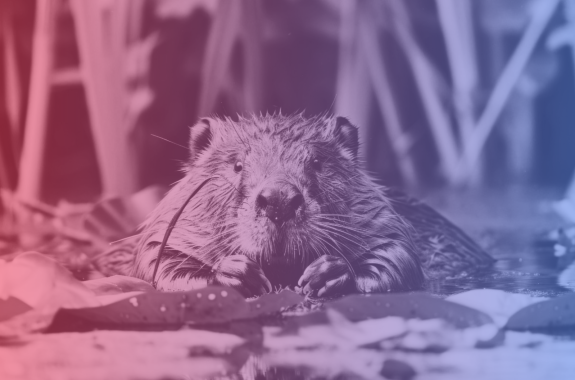
Beavers could be humans’ biggest ally, if we let them
Beavers and humans tend to clash over landscape management. Pixar’s “Hoppers” captures the struggle, and Oregon proves coexistence is possible.
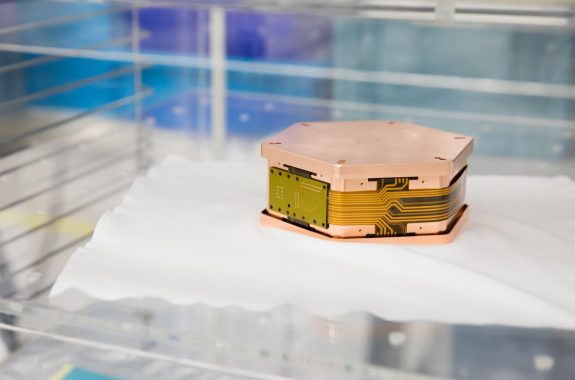
Searching for dark matter, deep in the Earth
The SuperCDMS SNOLAB experiment, located deep in a nickel mine, aims to detect signs of dark matter particles passing through the Earth.
Just had heart surgery? You might get the blues
Many cardiac patients experience sadness or anxiety after leaving the hospital. Being prepared for the “cardiac blues” can make a difference.
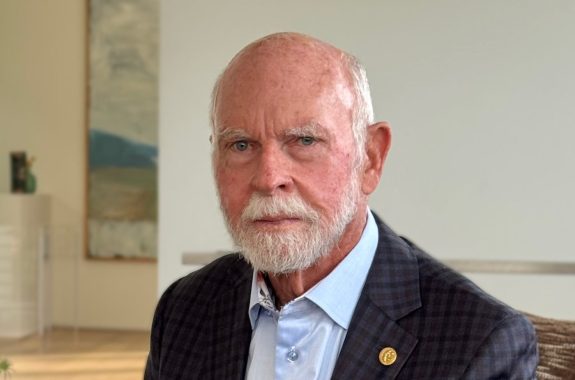
Remembering geneticist Craig Venter
Renowned genetics researcher Craig Venter died on April 29, 2026, at the age of 79. We remember his scientific contributions.
The decades-long movement to kill FEMA
A new series from “On the Media” traces the mistrust and conspiracy theories that have plagued FEMA since its founding in 1979.
What cats and dogs hear + A ‘smell map’ of the nose
What do cats and dogs hear that we don’t? Plus, what a “smell map” of the receptors in a mouse nose tells us about this sense.
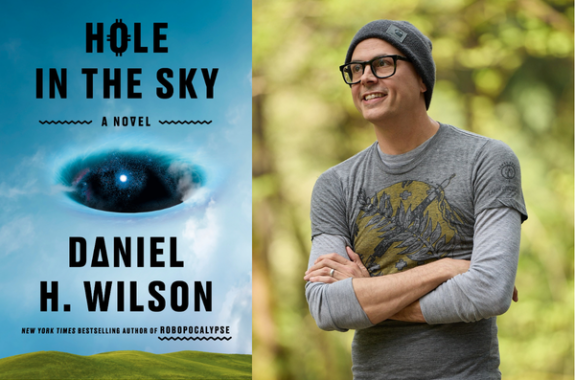
Writing science fiction with Daniel H. Wilson
On May 29 we’ll discuss Wilson’s book, “Hole in the Sky” and his life as an author, robotics engineer, and Cherokee citizen.
How do you study microplastics in a plastic-filled lab?
Measuring microplastics can be hard, partly because they’re everywhere—including the lab. One researcher is working on solutions.
What is ibogaine, and why is it in the news?
A recent executive order issued by President Trump aims to fast-track research for psychedelics, including ibogaine. What is it?
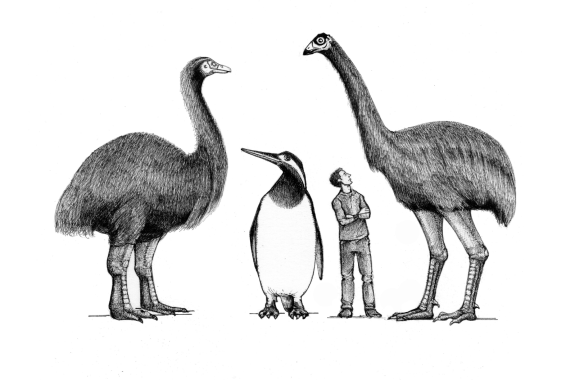
The long history of birds, from velociraptors to pigeons
Birds are living dinosaurs whose ancestors include T. rex and giant penguins. Understanding their past can help us imagine their future.
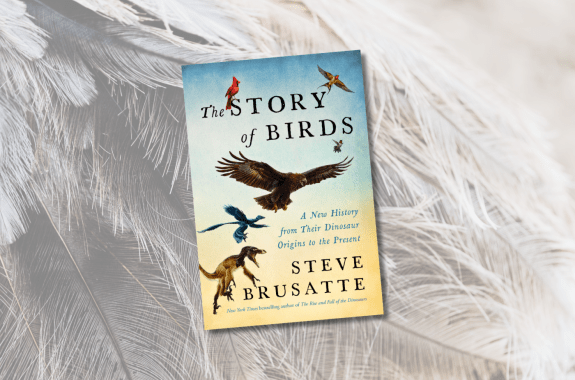
Backyard birds have a deep dino history
In “The Story of Birds,” the familiar creatures in our skies and backyards are reintroduced as the last surviving dinosaurs.
Good dirt or bad germs? Let’s swab it and see!
Investigate the millions of bacteria and molds around you by testing everyday objects and growing your own microbes.

16:30
Your DNA is constantly mutating, and that’s a good thing
Everyday DNA mutations can help us understand immune function and aging—and even mitigate harm caused by some inherited diseases.

12:04
Maine nearly became the first state to ban data centers
Maine shows how public mobilization is making a difference in determining where data centers go, and how they impact local communities.
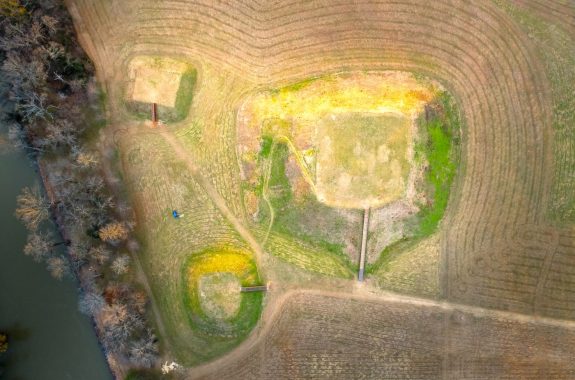
What urban design tells us about democracy
Archaeologists can use the design of ancient temples, plazas, and cities to piece together the story of how a place was governed.
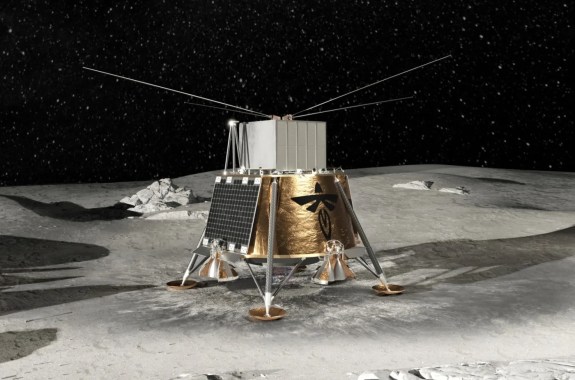
Listening for the cosmic ‘dark ages,’ from the lunar far side
The LuSEE-Night mission would place a small radio telescope on the far side of the moon to listen for signals of the cosmic “dark ages.”
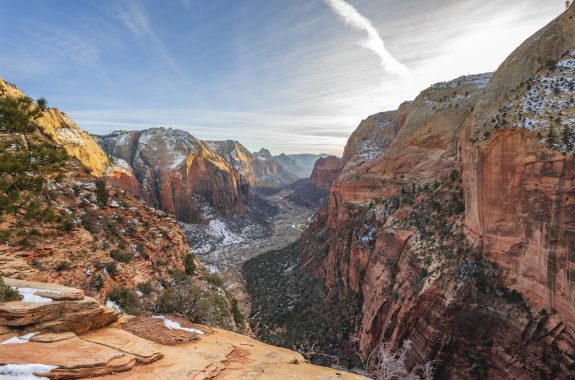
How do you describe nature? Two poets help us
For Earth Day, we wanted to know how to best put our feelings about nature into words. Two poets help us out.