On Today's Podcast
Are new treatments for celiac disease on the horizon?
More than 3 million Americans suffer from celiac disease, an illness with no current treatment. Is help on the way?
Listen NowSeptember 25, 2026
Concerns about AI safety are growing. Two researchers explain the unintended consequences of training AI models and what questions remain. Underwater archaeologists are uncovering artifacts from early human settlements that were inundated by glacial meltwater at the end of the last ice age. Plus, research on concussions, and new treatments in the works for people with celiac disease.

12:03
What Does HIPAA Actually Do?
The Health Insurance Portability and Accountability Act is often cited when it’s not applicable. Here’s what’s covered and what’s not.
6:26
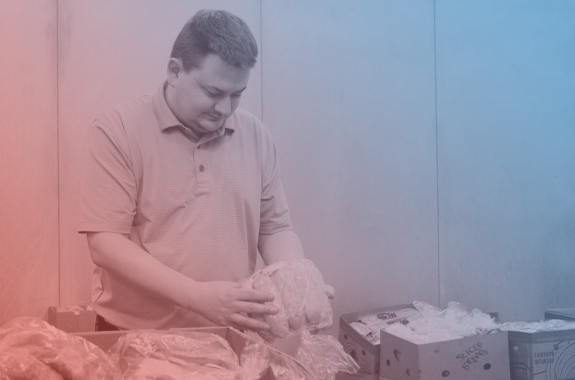
Food Pantry Venison May Contain Lead
Donated venison is an important source of protein for community programs, but many states fail to warn about potential lead contamination.

10:30
Museum Exhibit Celebrates Queerness In Science
A new exhibit at the California Academy of Sciences highlights 23 LGBTQIA+ scientists and their efforts to make STEM a more inclusive place.

17:35
“Research By Us And For Us”: How Medical Research Can Better Serve Trans Communities
Although gender-affirming care is safe and effective, there is more to learn about how to best care for trans people over the course of their entire lives.
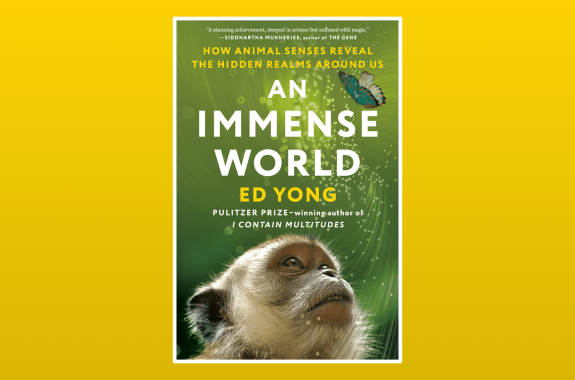
How Science Came To See Ultraviolet Light In Animals
Ultraviolet perception is incredibly common in animals—just not in humans. Ed Yong dives into the history of how scientists saw the light.

12:24
FDA Approves COVID Vaccines For Kids Under Five
As early as next week, kids six months and older could begin getting the long-awaited COVID shots.
35:01
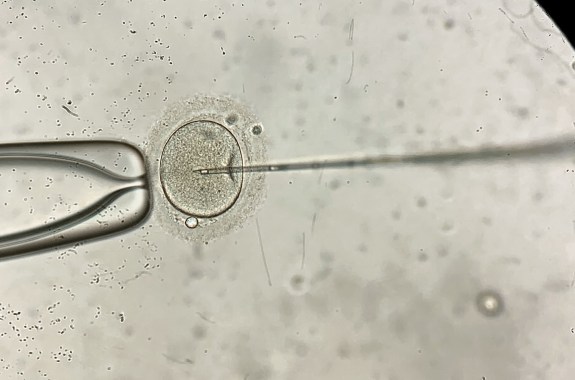
What Could Happen To IVF In A Post-Roe World
Efforts to restrict abortion could have major repercussions for those seeking common IVF treatments.
29:58
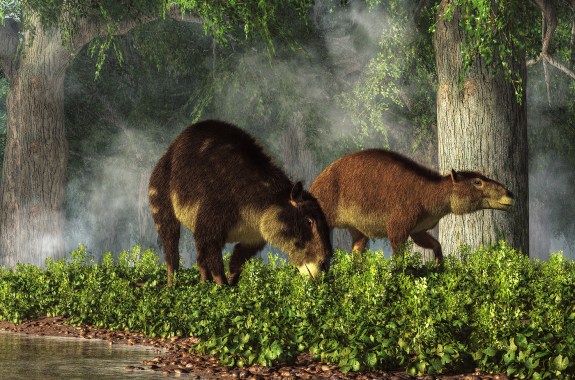
The Wild And Wonderful World Of Mammals
Author and paleontologist Steve Brusatte explains how mammals almost disappeared with the dinosaurs, but today reign supreme.
17:39
A Squid-tastic Night Out
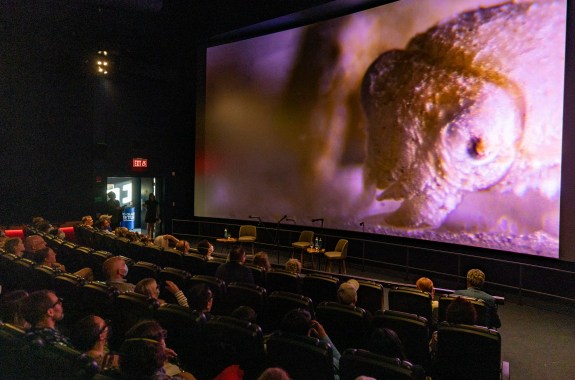
Ira and undersea experts tackle audience questions at a Cephalopod Week celebration at Norwalk’s Maritime Aquarium.
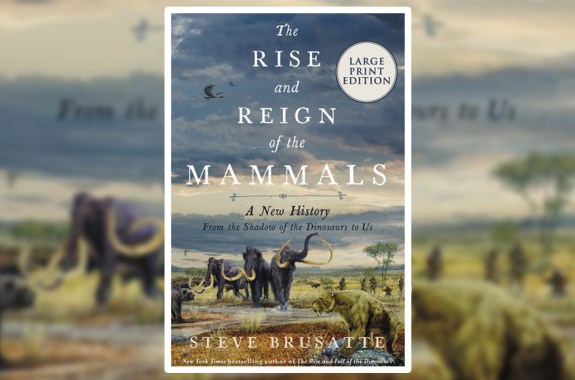
How Mammals Came to Dominate The World
From reptile-like ancestors to humans, the new book The Rise and Reign of the Mammals tackles the diversity of mammals like us.

12:13
Americans’ Knowledge Of Reproductive Health Is Limited
As the nation awaits a momentous Supreme Court decision, a poll looks at opinions of and knowledge about reproductive health issues.

9:51
Some Doctors Want To Change How Race Is Used In Medicine
Race is often conflated with biology in medicine. A more nuanced approach is emerging: using culturally competent care in treatment.
7:32
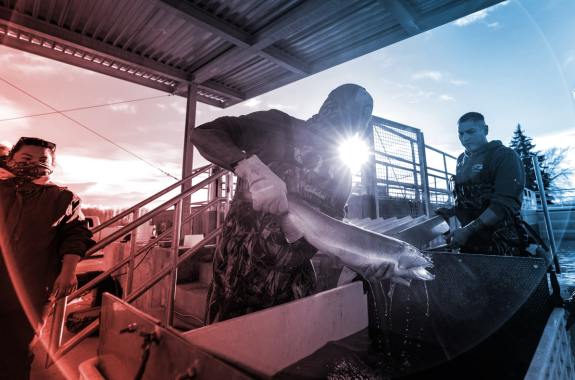
How A $2 Billion U.S. Plan To Save Salmon In The Northwest Is Failing
Despite billions of federal subsidies, salmon survival is predicted to decline by 90% in the next four decades.
16:42
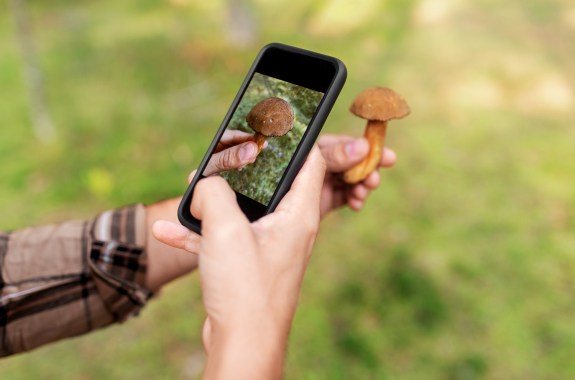
How A Facebook Group Helps People Identify Mysterious Mushrooms
Over 200 international mycologists and botanists volunteer their time to help identify poisonous plants and mushrooms in a Facebook group.
12:08
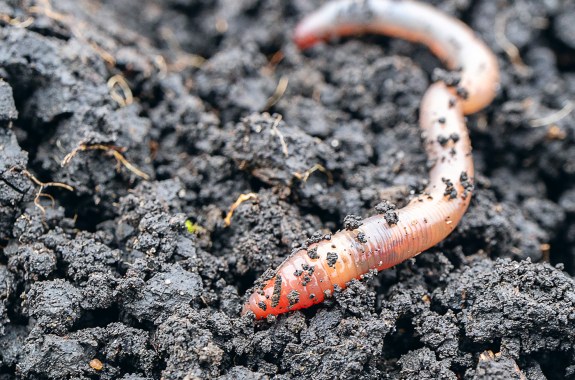
Are Invasive Jumping Worms Taking Over?
This destructive earthworm may not harm your garden, but scientists are worried about its impacts on ecosystems.
17:29
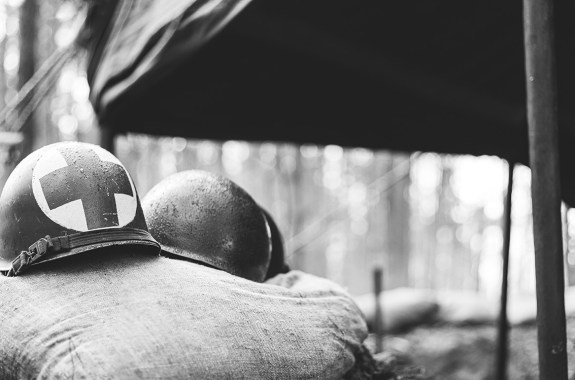
Plastic Surgery, Born In The Trenches
A new book explores the surprising roots of facial reconstruction surgery—the battlefields of World War I.
17:33
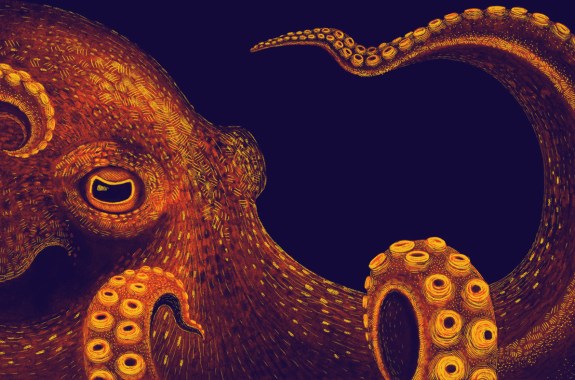
The Strange, Scrambled Genomes Of Squids And Octopuses
For Cephalopod Week, two researchers explain the newest science about the fancy tricks and ineffable weirdness of these animals.
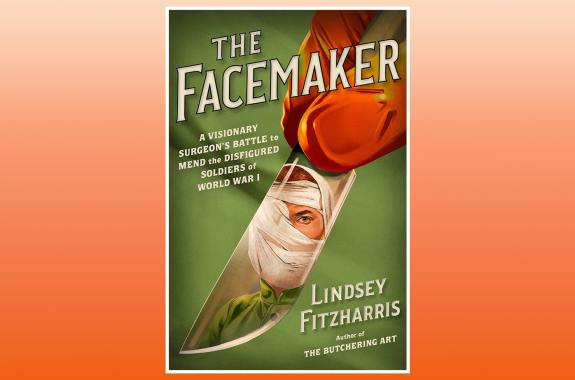
World War I’s Operation Face Lift
Medical historian and author Lindsey Fitzharris explores the history of facial reconstruction surgery, starting with a ballerina’s rump.

Sign Up For Our “Cephalopod Of The Day” Newsletter!
Want a fresh squiddy story in your inbox every day for Cephalopod Week? Sign up here!
12:13
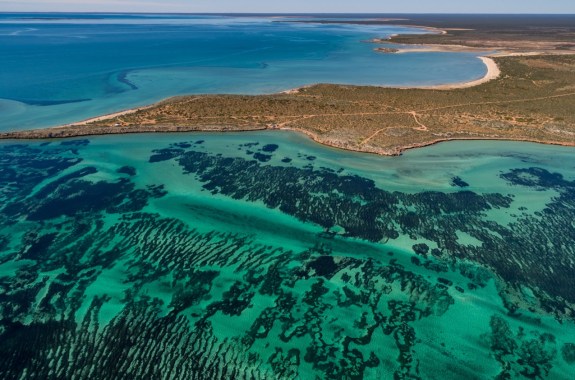
Scientists Found The Biggest Known Plant On Earth
Scientists discovered that a 49,000 acre seagrass meadow off the coast of Australia is actually one giant plant.